Any Pérez: bringing passion for journalism from major newsrooms to the classroom
For years, Any Pérez experienced journalism from the newsroom: reporting, investigating, and leading teams until she became the youngest journalist to receive Costa Rica’s Pío Víquez National Journalism Award. Now, in the classrooms of the University of Costa Rica, she faces another challenge: transmitting to a new generation the rigor and passion for a profession going through one of its most difficult periods.
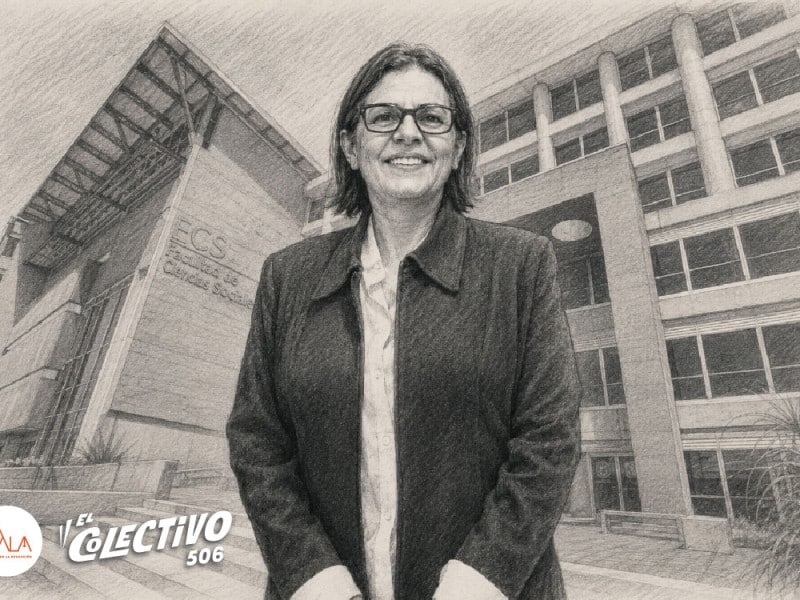
“I took the entrance exam three times to get into the School of Communication,” confesses Any Pérez Cortés. She’s looking back at her bumpy start at the University of Costa Rica (UCR). “My mom and I knew that if I didn’t get in [the third time], then I would continue studying Philology to become a Spanish teacher. It was so hard! The first two times, I missed the cutoff by one percentage point.”
The third time was the charm. And now, after years as a journalist at several of Costa Rica’s leading media outlets, she has dedicated herself to teaching since 2018. Today, she is the coordinator of the journalism major at the UCR’s School of Mass Communication Sciences (ECCC). She teaches the Introduction to Journalism course to all students entering the Mass Communication program, and Web Journalism to those who choose to graduate with a journalism concentration.
What motivated her to dedicate herself to teaching after a renowned career in newsrooms?
“The goal was to rekindle the passion of journalism students for working in newsrooms,” she says.
To understand this, you have to understand what newly minted journalists face when entering Costa Rica’s labor market.
Passion for newsrooms
“It has been doubly satisfying,” Any says, reflecting on her work as a professor. “Journalism isn’t changed by analyzing it; it’s changed by doing journalism. And if we want to change or correct the methods used in newsrooms, we have to want to work in them again. We have to feel proud again, as a profession, to be journalists and to work in newsrooms.”
Any knows the dynamics of a newsroom well. After graduating as a journalist in 1990, she joined Grupo Nación to work at Rumbo, their political analysis magazine. Within just three years, her work received the highest honors for journalists in Costa Rica: the Pío Víquez National Journalism Award and the Ángela Acuña Brown National Journalism Award. She was the youngest journalist in history to receive the Pío Víquez Award.
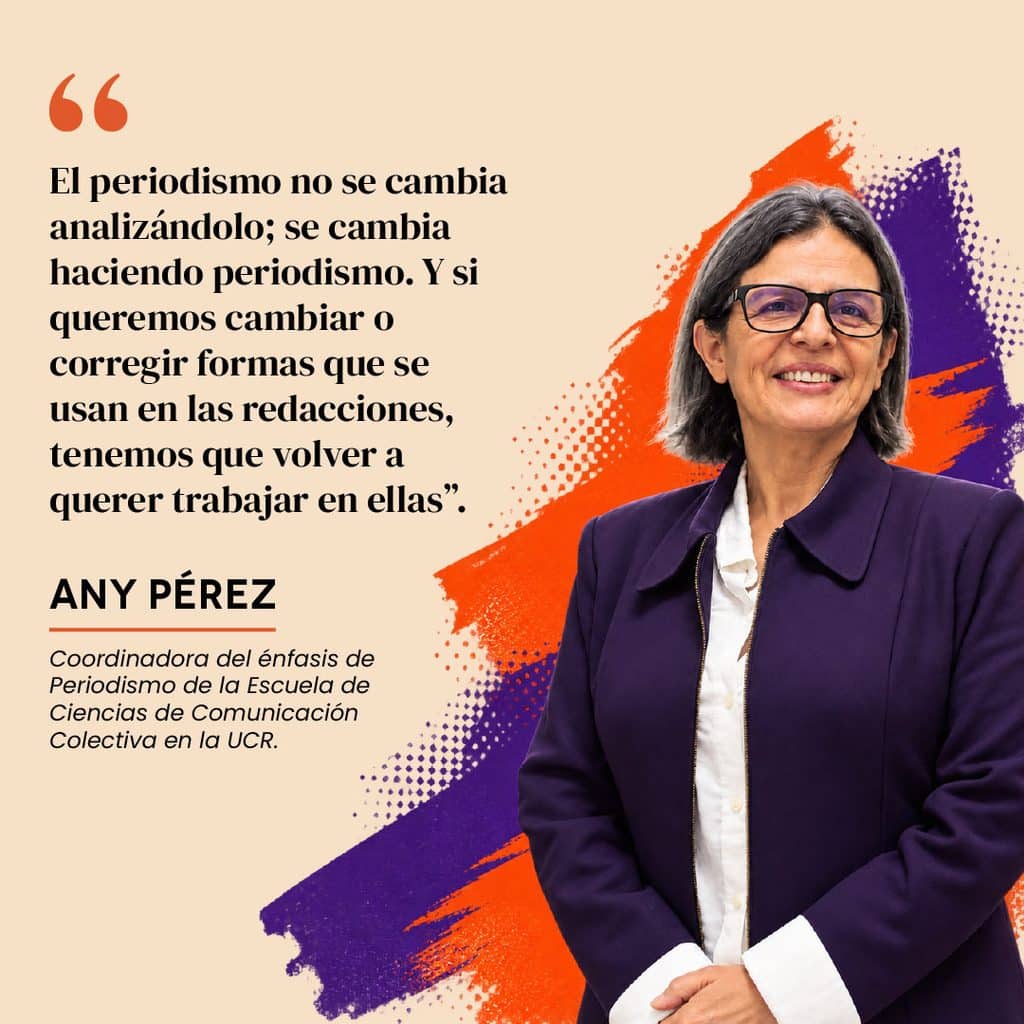
“Journalism isn’t changed by analyzing it; it’s changed by doing journalism. And if we want to change or correct the methods used in newsrooms, we have to want to work in them again,” says Any Pérez, coordinator of the journalism major at the UCR’s School of Mass Communication Sciences (ECCC).
After leaving the magazine in 1997, she became part of the founding team of Repretel News. In the years that followed, she directed and produced political programs for radio and television, wrote for national media outlets and international programs, and earned a Master’s degree in Media Management. Today, Any continues to work in journalism as a co-producer and host of the Desayunos program on UCR Radio.
Today, Any has chosen the front lines of university teaching to continue contributing to the profession.
Practicing journalism in Costa Rica
The report The Worlds of Journalism: Safety, Professional Autonomy, and Resilience among Journalists in Latin America (January 2025), from The Knight Center for Journalism in the Americas, states that after the COVID-19 pandemic, the number of working journalists had decreased in the region. Only 63.52% had a full-time contract. In the case of Costa Rica, the Workplace X-Ray 2025 from the National Council of Rectors (CONARE) indicates that 30.2% of journalists have more than one job.
But when Any talks about these economic barriers that media outlets and individual journalists face today in order to practice and monetize their profession, she is optimistic.
“I feel that the crisis is passing in some way,” she says. “Or to put it nicely, it’s slowing down.”
Como parte de sus tareas diarias de periodista y docente, y para entender la sostenibilidad económica de los medios, Any monitorea noticieros y medios de comunicación escritos para estudiar la pauta que le acompaña.
“On Sunday programs, how are the ads doing? Booming! On television, it’s booming, the number of ads we see,” says Any, “Fortunately, although most of the advertising goes to social media platforms (80%), the other 20% stays on our open TV stations.”
Despite this optimism, she knows that not all students graduating from UCR as journalists will be able to work in a newsroom. However, there are positive signs for future communicators, who must not only face the contraction of the market, but one that is saturated with journalists.
On the other hand, the UCR’s Program for Freedom of Expression and Right to Information (PROLEDI) warns in the Sixth Report on the State of Freedom of Expression and Journalism in Central America, 2025 and the Fourth Report on the State of Freedom of Expression in Costa Rica, 2025, of a “consolidation of the confrontational style of the Executive Branch” towards the press in the country. This took the form of stigmatizing speech by then-president Rodrigo Chaves, but also “the use of legal and administrative pressure instruments against the press,” complicating the work of journalists.
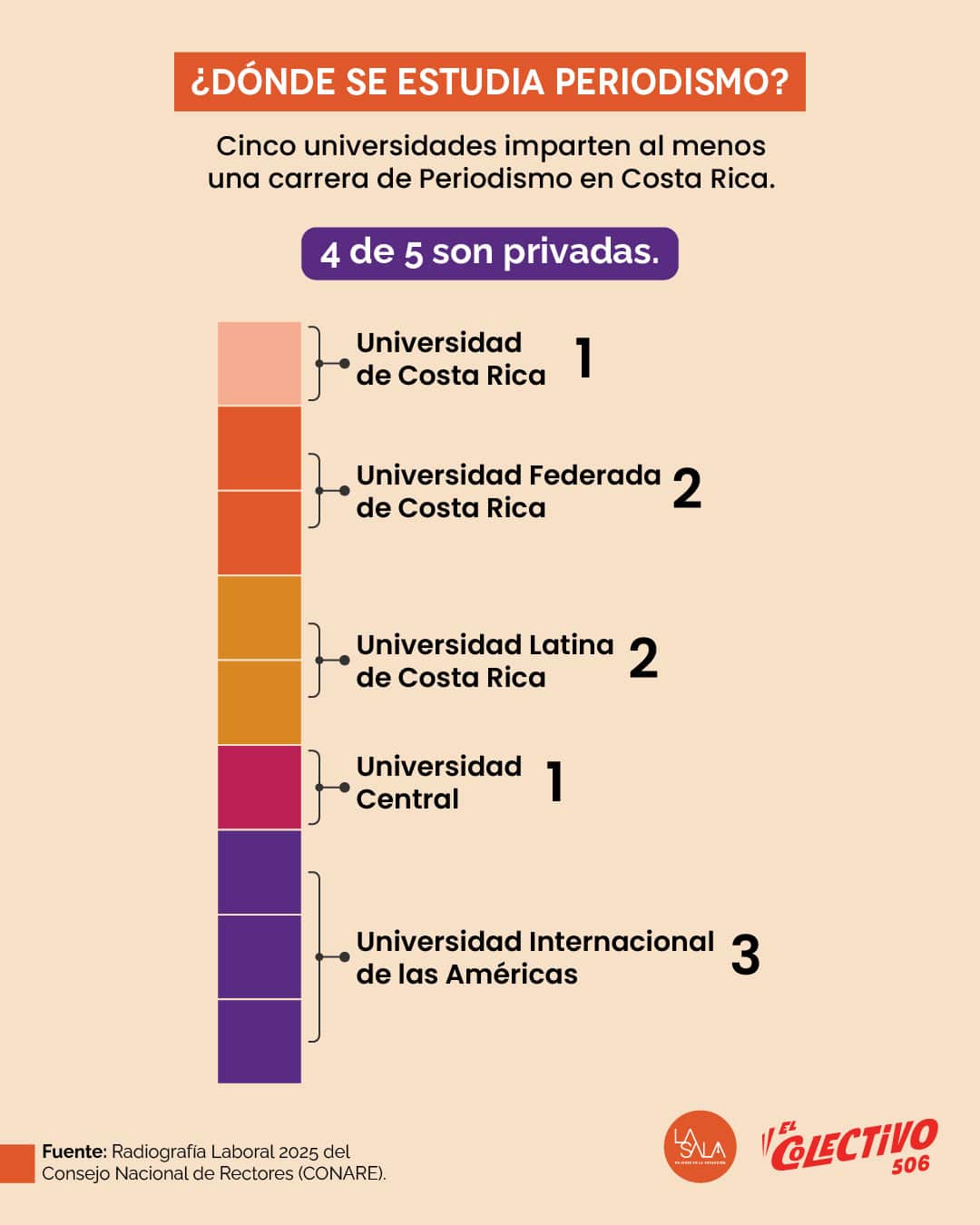
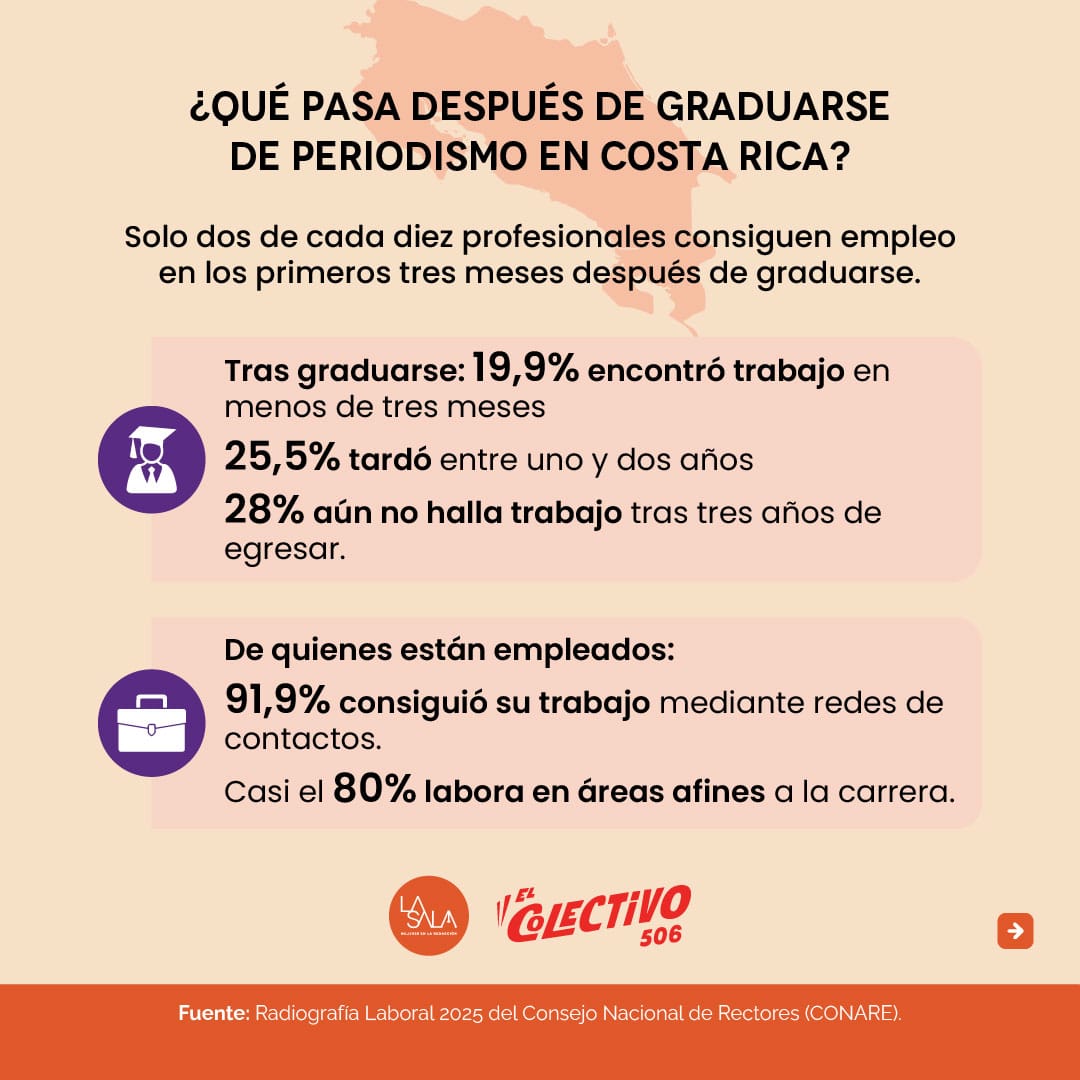
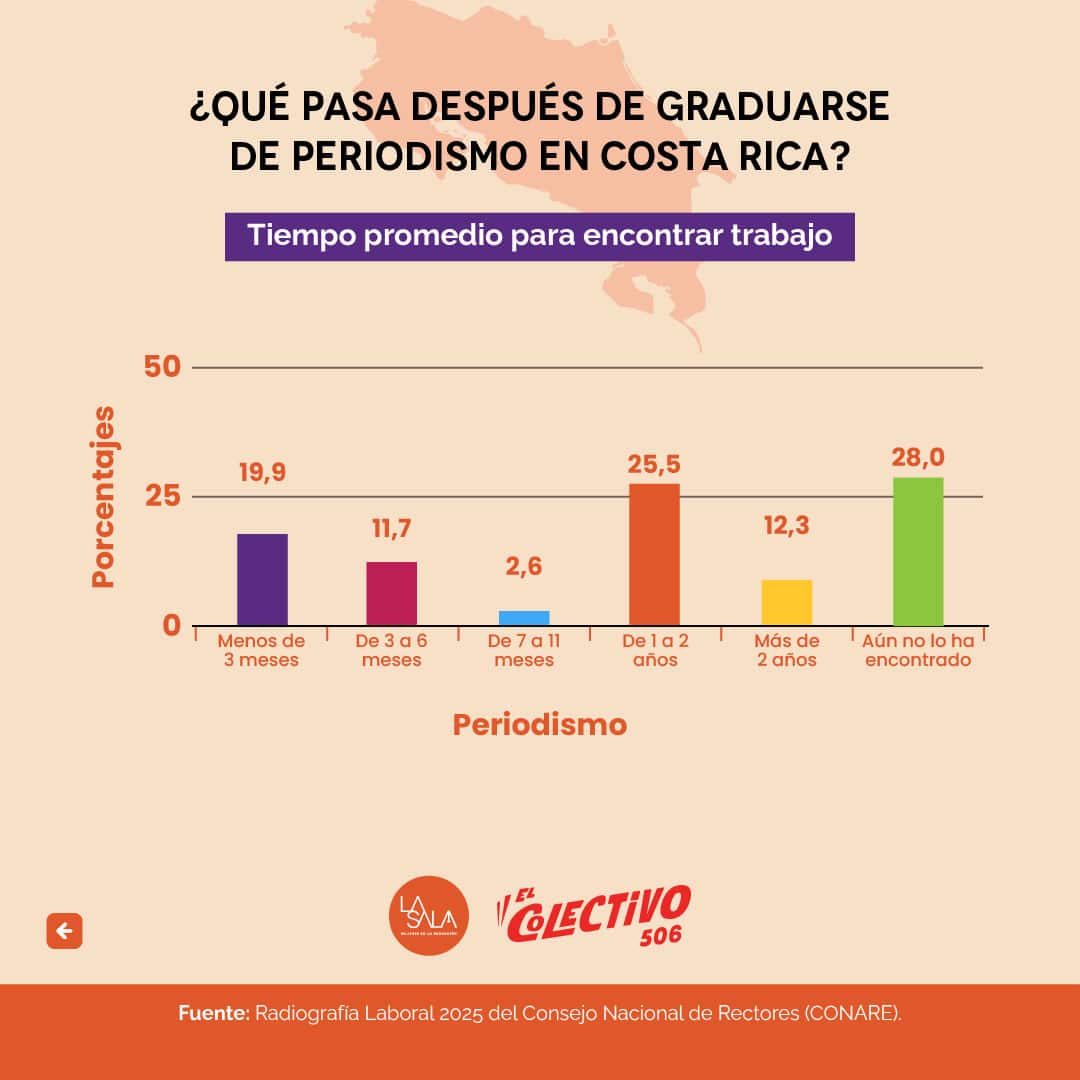
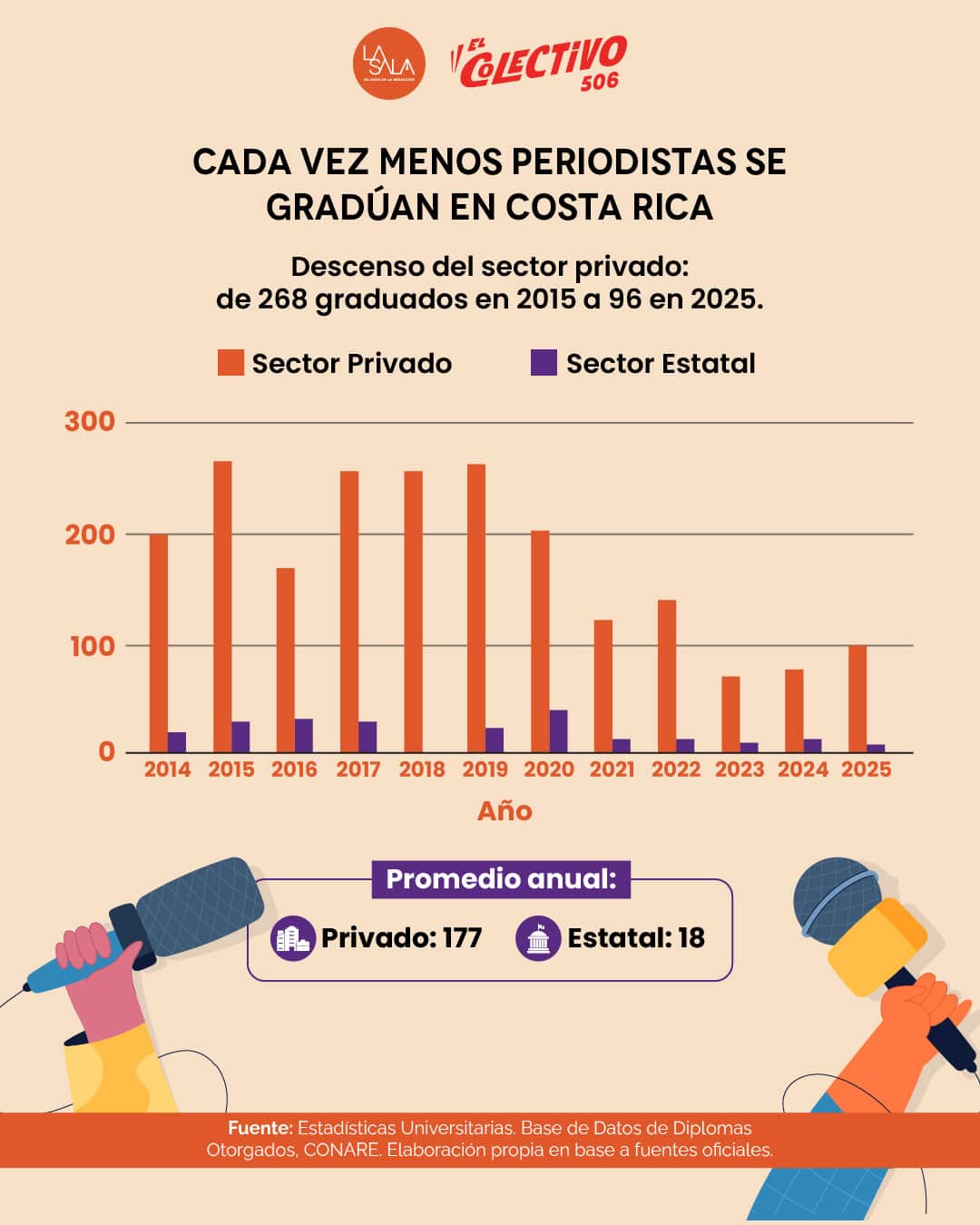
The graphics above show, from left to right, the universities of choice for journalism students in Costa Rica in 2025 (four of five choose private universities); the percentages of journalism students who find work after graduation (28% are still looking for work three years later); the average length of their job searches (from left to right, less than three months, three to six months, seven to 11 months, one to two years, more than two years, and still looking); and the number of journalism graduates in Costa Rica by year, broken down by private and public universities, showing a significant if not linear decrease from 2019 to 2025.
Lorna Chacón Martínez—a journalist with extensive experience, professor, the former director of the ECCC, and former coordinator of the journalism major—expresses concern about the consequences of this scenario for the profession.
“I see that the reality of journalism at this moment in Costa Rica, in the world, is not very promising,” she says.
However, working alongside Any inspires her to learn to be “a positive person and to continue believing in journalism with such passion.
“I greatly admire [Any’s] ability to continue believing, to continue fighting, and to continue pushing students to become good journalists,” Lorna adds.
Educating for good journalism
The second semester of the 2026 academic year began on August 10. Very early that morning, I, along with the other UCR professors in a group WhatsApp chat, received a message from Any.
“Good morning colleagues!!! Today the academic year begins! Let’s enjoy the semester!!! 🥳🎉🥳🎉 You know I’ll always be at your service.”
And as usual, that week Any walked the halls of the Faculty of Social Sciences in San José, greeting students in each of her journalism classes and introducing them to each professor, making absolutely sure they know every single one. She was there all five days of that week, even though she teaches only two courses.
Formar profesionales en periodismo que ejerzan con rigor y ética es el objetivo del personal docente de la ECCC, pero también es un gran reto. Para Any, un primer paso en alcanzar este objetivo es que el estudiantado pueda aprender con el ejemplo. “El mejor mensaje que se le puede dar al estudiantado es que note la pasión de sus docentes por el oficio”, dice.
Lorna points out that upon entering the workforce, graduates face pressure to apply practices that go against good journalism.
“We’re seeing journalism transform quite a bit, but in some cases for the worse,” Lorna comments. “For example, media outlets that use clickbait as a strategy—which I completely understand—to keep their online readers on longer. That doesn’t fulfill what a good journalist should do.
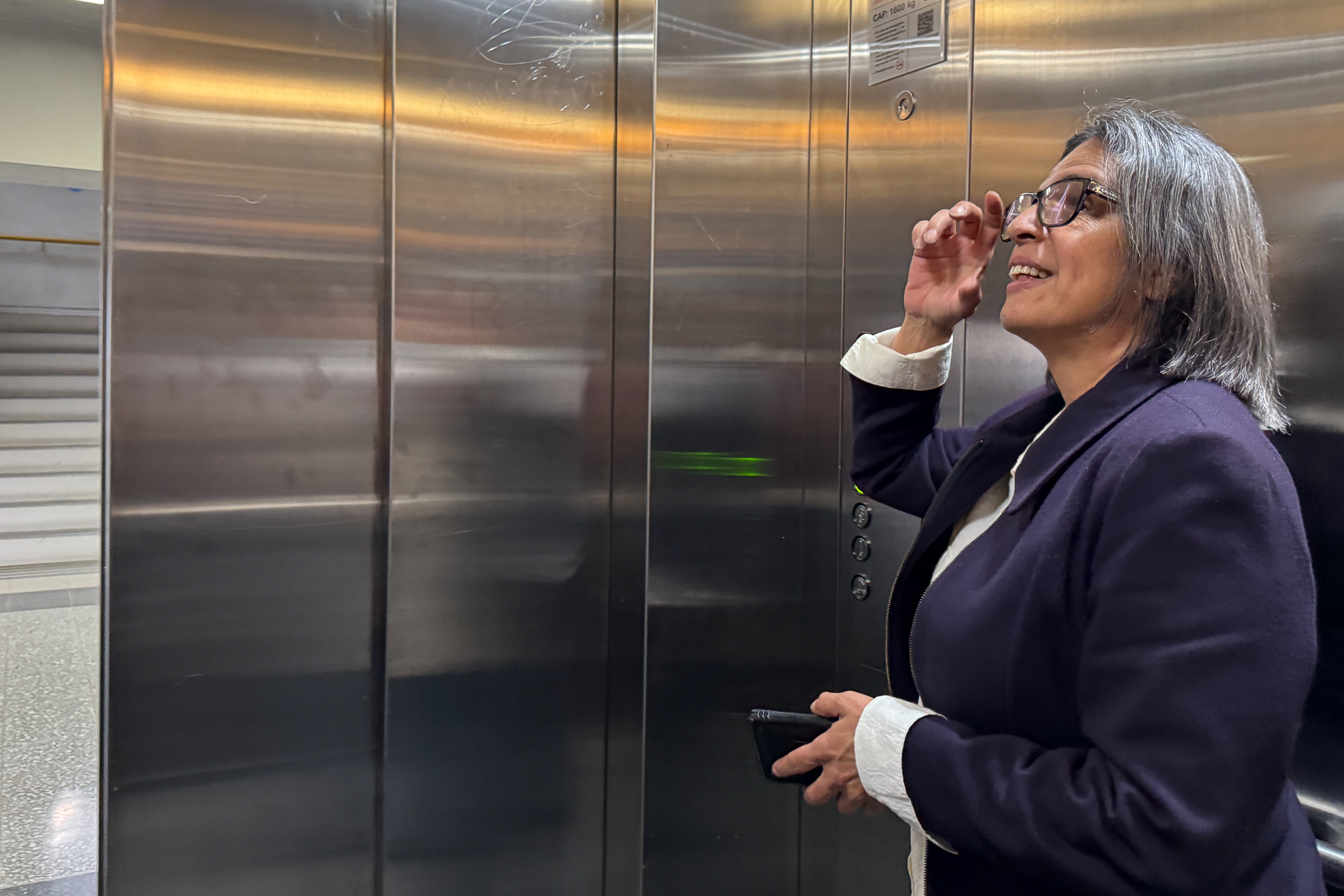
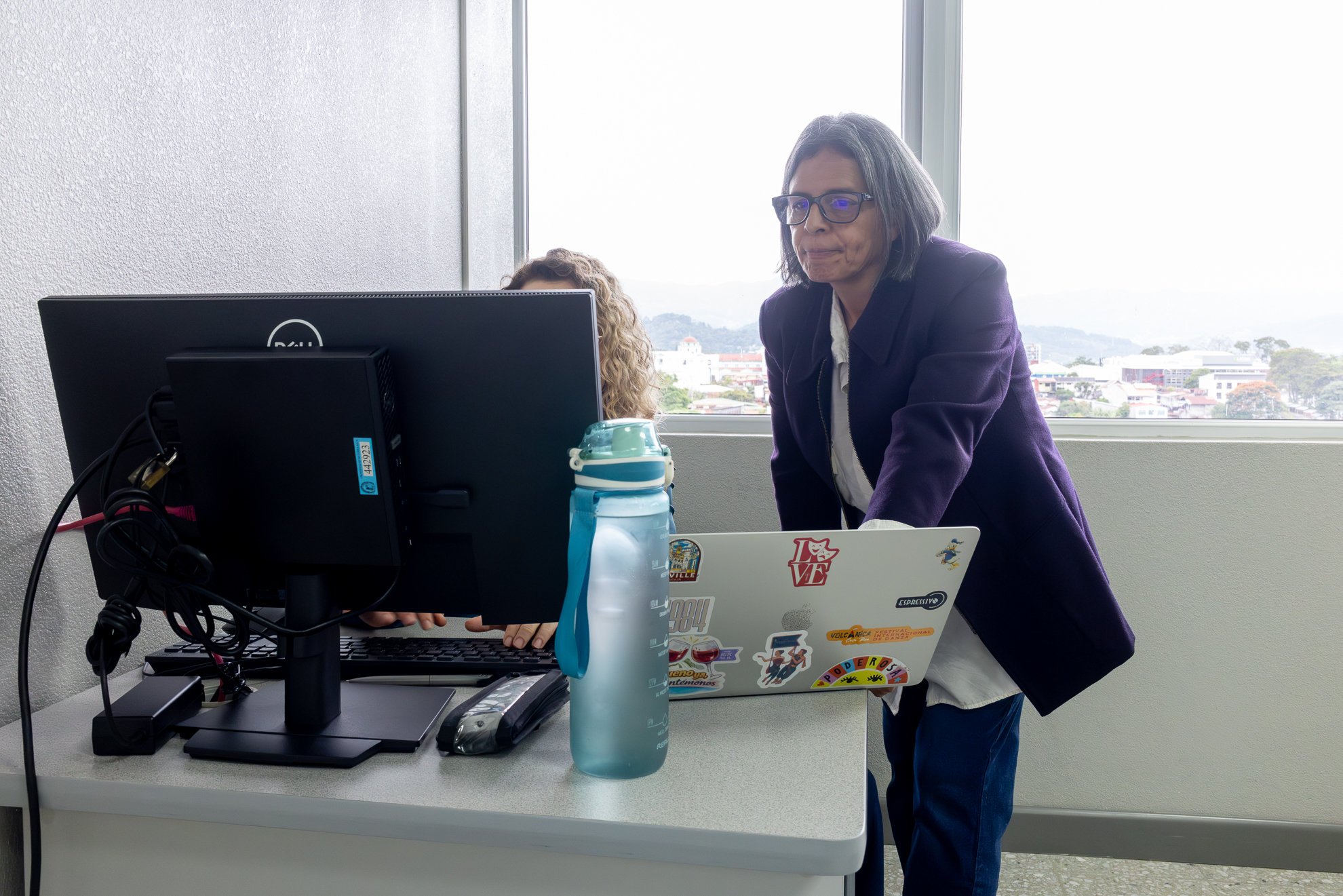
“A good journalist should inform their audience as quickly as possible what is happening, what the news is, and not force them to delve in and read to the fifth or sixth paragraph,” she adds.
According to Lorna and Any, the best way to ensure that ECCC graduates can continue to contribute to and improve the practice of journalism is for them to be supported during their training by “high-level” professionals who are practicing journalism and who educate by example.
“I think the most important thing we’re giving to student journalists is the value of the journalistic question,” says Any, referring to the importance of questioning and verifying information. “Because data needs to be interviewed, just like people. Data can lie just like people can.
“My intention has been that being a journalism professional means demonstrating added value to audiences,” Any adds. But for audiences to recognize this value, journalism graduates must find a place in newsrooms, and that is the second ingredient of the training at ECCC.
Any’s method
Alejandro Umaña graduated as a journalist in 2024. As part of his training, he completed his professional internship at Channel 7 News—and when he finished, they hired him. He’ll soon have been with the news program for three years.
“Much of what I have achieved today, what I am today, I owe to the professor Any “Pérez,” says Alejandro. “I can boast that I was the first UCR student in a long time to do an internship at the Channel 7 News, because the channel didn’t have an internship program. It had been suspended. And when it resumed, they weren’t working with the University of Costa Rica.
“But thanks to Professor Any, that contact with the University of Costa Rica wasre-established so that Telenoticias could receive students. I stayed on, and several students have come after me to do their professional internship.”
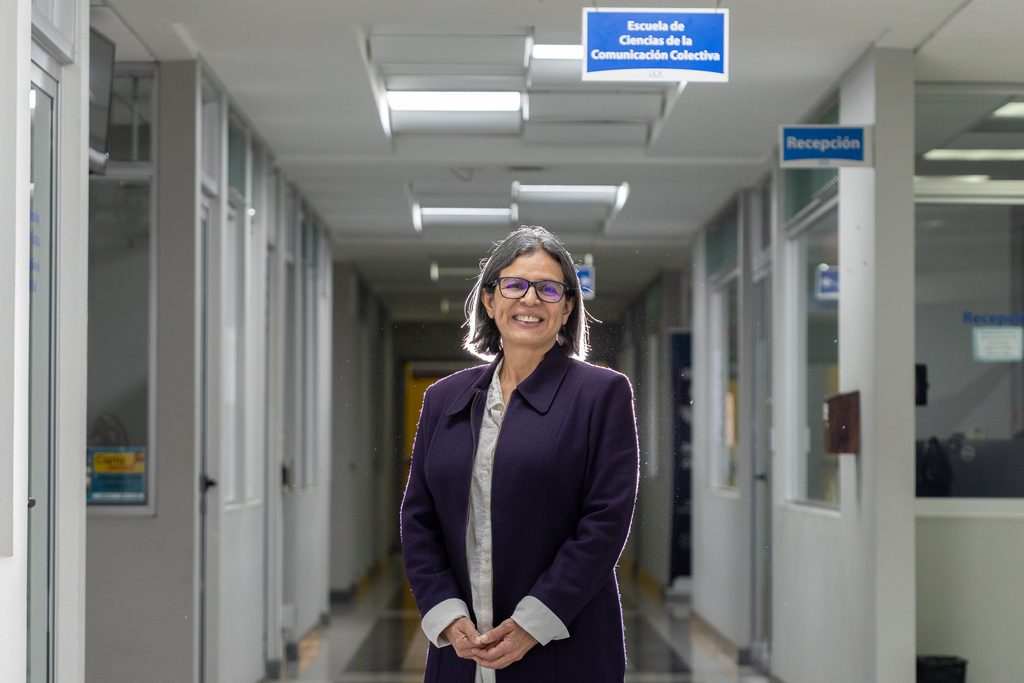
Natalia Vargas graduated in February 2025. By then, she had been working for a year at the daily La Nación. She started with an internship, continued with her professional practice, and was finally hired full-time. Although her entry into La Nación was encouraged by another ECCC teacher, Any, influenced her to take advantage of the opportunity.
“Any has a very keen eye for identifying talent,” says Natalia. “From a very early age, she knows who has the discipline, curiosity, and desire to pursue this profession. Little by little, she guides these students and helps them find opportunities in the media. That’s how many of us have ended up in the newsroom.”
The testimonies of Alejandro and Natalia echo two characteristics that Lorna highlights about Any’s approach.
“On the one hand, we give students very personalized attention, getting to know each one of them very deeply,” says Lorna. “And secondly, we seek connections with industry to place the students, whether in internships or apprenticeships—and many end up staying on, which is the ultimate result.”
In other words, Any’s secret is walking beside the students—from that first Introduction to Journalism course until graduation, and in many cases during those first years of professional practice.
Jhostyn Díaz es periodista multiplataforma de Grupo Extra, pero cuando ingresó a la ECCC quería ser relacionista público. Para él, el acompañamiento de Any fue determinante en la dirección que tomó su carrera mediante pasantías y asistencias en diferentes medios dentro y fuera de la UCR, muchos gestionados por Any.
“Professor Any is someone who is very willing to support, guide, and help you always improve and give your best,” says Jhostyn. “If you are someone who is interested in growing beyond just attending classes every day, Professor Any will find many opportunities for you to grow.”
Jhostyn says that even two years after graduating, Any continues to present him with opportunities.
“[Any] is very personalized in the sense that she distinguishes each person by their skills, by their interests, and after graduation she stays in touch,” he says.
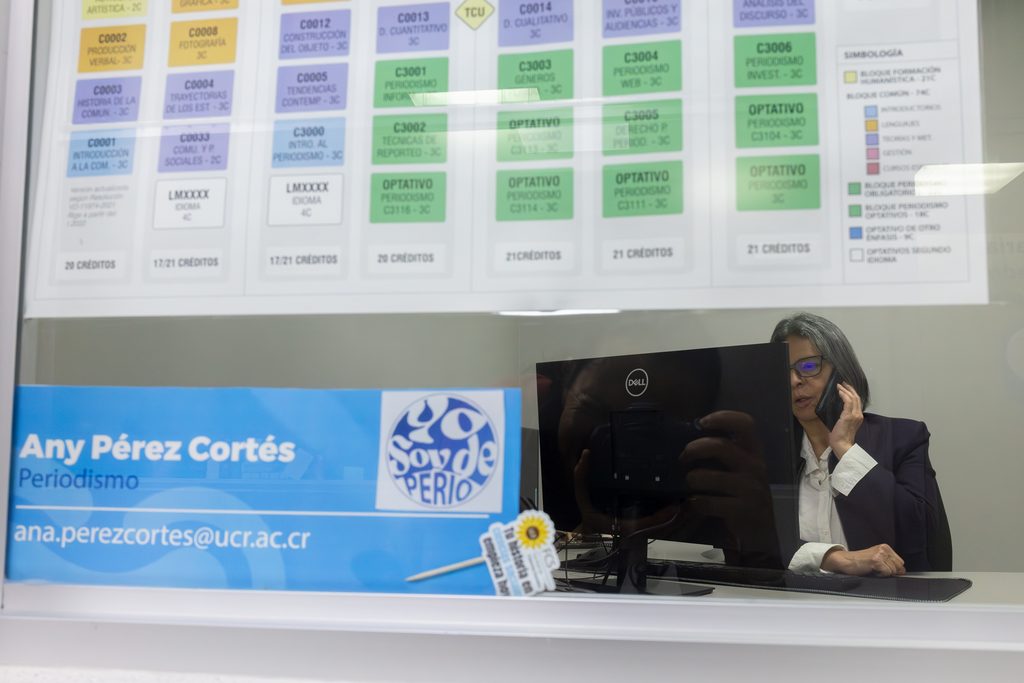
Mariana Valladares has been a journalist at Teletica.com since 2024, and is also a graduate of the UCR. She agrees that Any’s teachings have allowed her to perform her job well.
“[Any] always told me, ‘You have to know how to write an economics article, but if they ask you to write a soccer article, you have to know how to do it,’” she says. “That [advice] has helped me a lot in my professional career.”
“So,” says Mariana, “I have nothing left to do but thank Any for all the work she has done in national journalism. I think Any is one of those people you need to be the professional you are—someone who can scold you and give you advice.”
“She’s one of the most valuable professors in the program,” says Natalia, “and I’m not sure she’s aware of the impact she has on us or how much we value everything she does. Her influence, for me, went far beyond the classroom. She left a mark on how I understand journalism and how I practice this profession.”
_________________
*This story was produced as part of a La Sala: Mujeres en la Redacción journalism production grant, funded by Vikes, the Foundation for Media and Development, an initiative that seeks to strengthen independent, critical and investigative journalism—as well as to promote the participation, leadership and projection of women journalists—through influential and impactful actions that contribute to making their voices visible and positioning them as benchmarks of journalism, research and public opinion.
Author