Take a walk through wild Costa Rica, just off the beaten path
Tips for visiting Las Pumas Wildlife Rescue Center in Cañas, Guanacaste, Costa Rica.
“Oh my God. I’ve driven right past this so many times!”
That’s the first thing I said to my mom and daughter when we set off on the Wild Path. I hadn’t realized that it was just off Ruta 1, a roadway well-worn by many Costa Ricans and visitors, since it connects the northwestern province of Guanacaste to points southeast. It’s just moments from the turnoff to Bijagua—a trip I’ve made on countless occasions over the years.
But take the time to pause at Las Pumas Wildlife Rescue Center in Cañas, and you enter a different world. It’s the world of wild animals who need care when they are injured, neglected, abused, kept as pets, or simply removed from their mothers or habitats by well-meaning but ill-informed people. And it’s the world of the people who step up to provide that care.
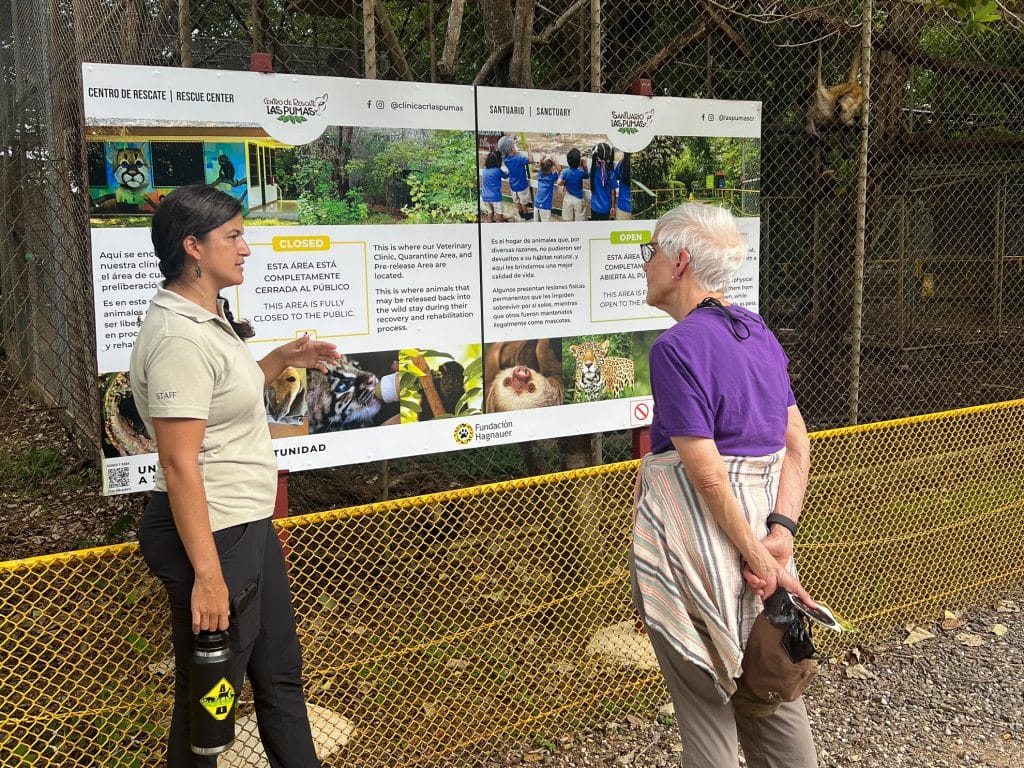
General admission for a self-guided visit is very affordable—check the Las Pumas site for current prices and details, but at the time of this writing, the regular adult rates are $17 for international visitors and 3,500 colones for nationals, with reduced rates on both sides for children, seniors and students. However, I opted for something special: The Wild Path Tour, which at $65 for adults allows you to make an additional donation to support the center and enjoy an exclusive tour with Regent Biologist Esther Pomareda.
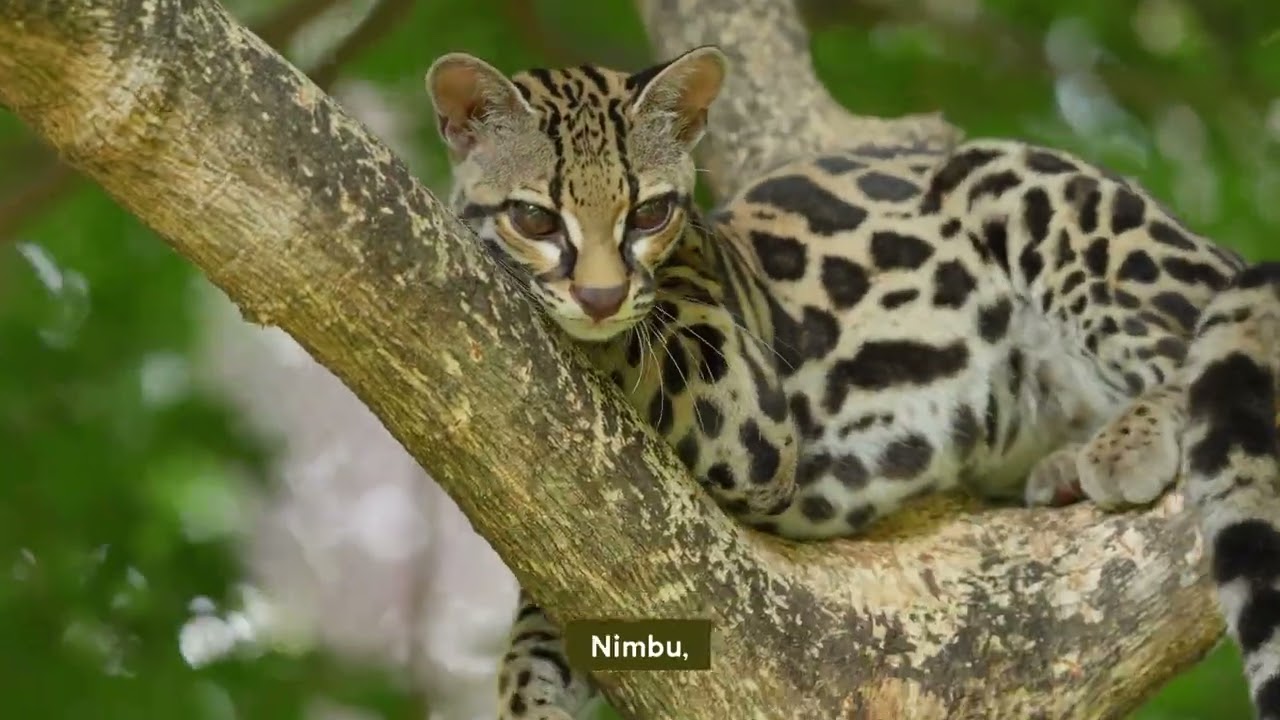
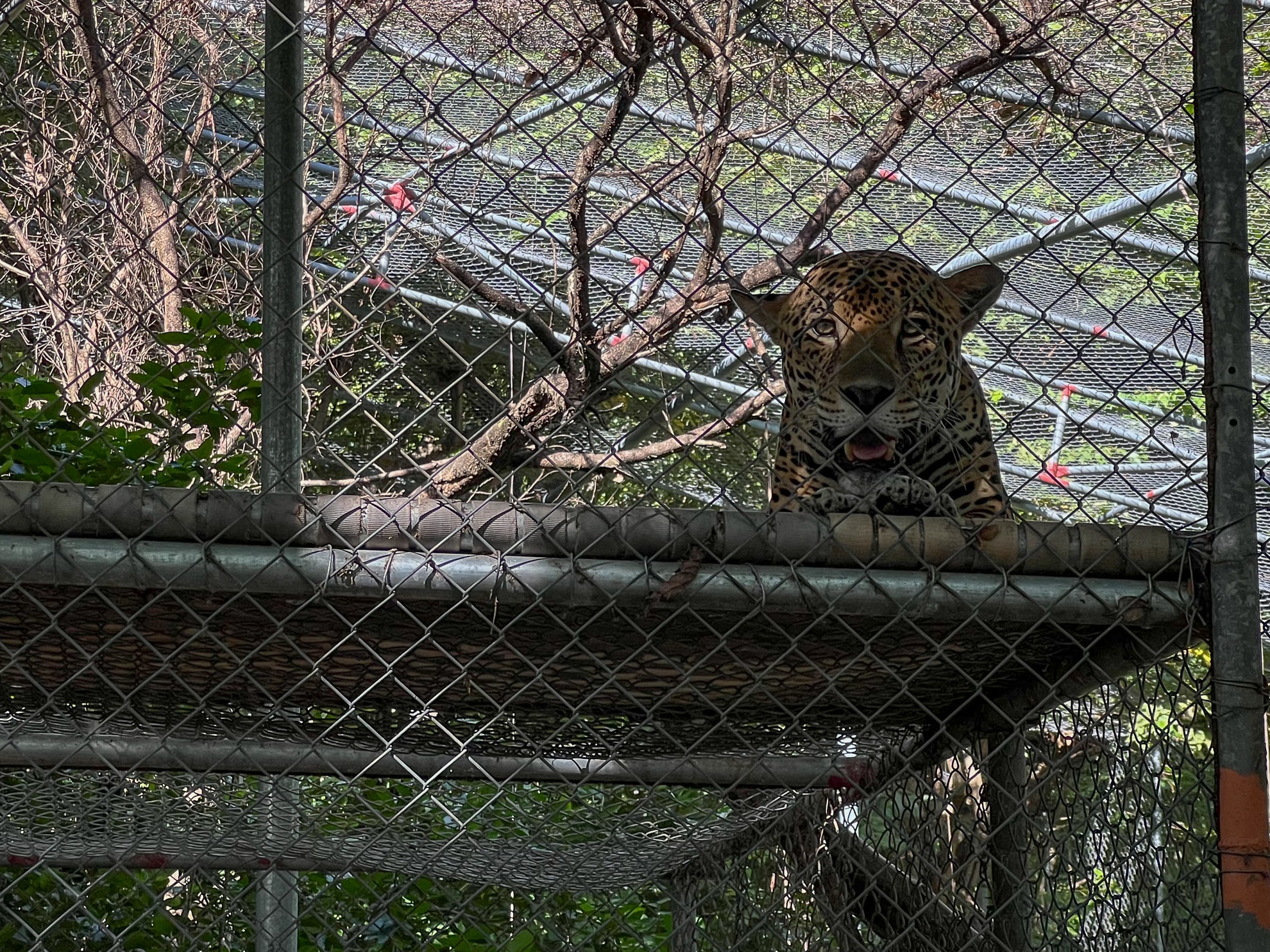
We were able to ask Esther all the questions we wanted about any of the animals at the center—jaguars, ocelots, pumas, monkeys, sloths, macaws, deer, and many others. While volunteers and other staff who give tours at centers like these are generally wonderful guides, it’s next level to learn about the animals from an expert who has been with the animals throughout their entire time at Las Pumas and can answer any question we can dream up. How did they come in? How have they been cared for?
Esther even showed us photos and videos from her phone, which is pretty much a family album of animals. My favorite video was of a release, which gave me goosebumps despite the warm day.
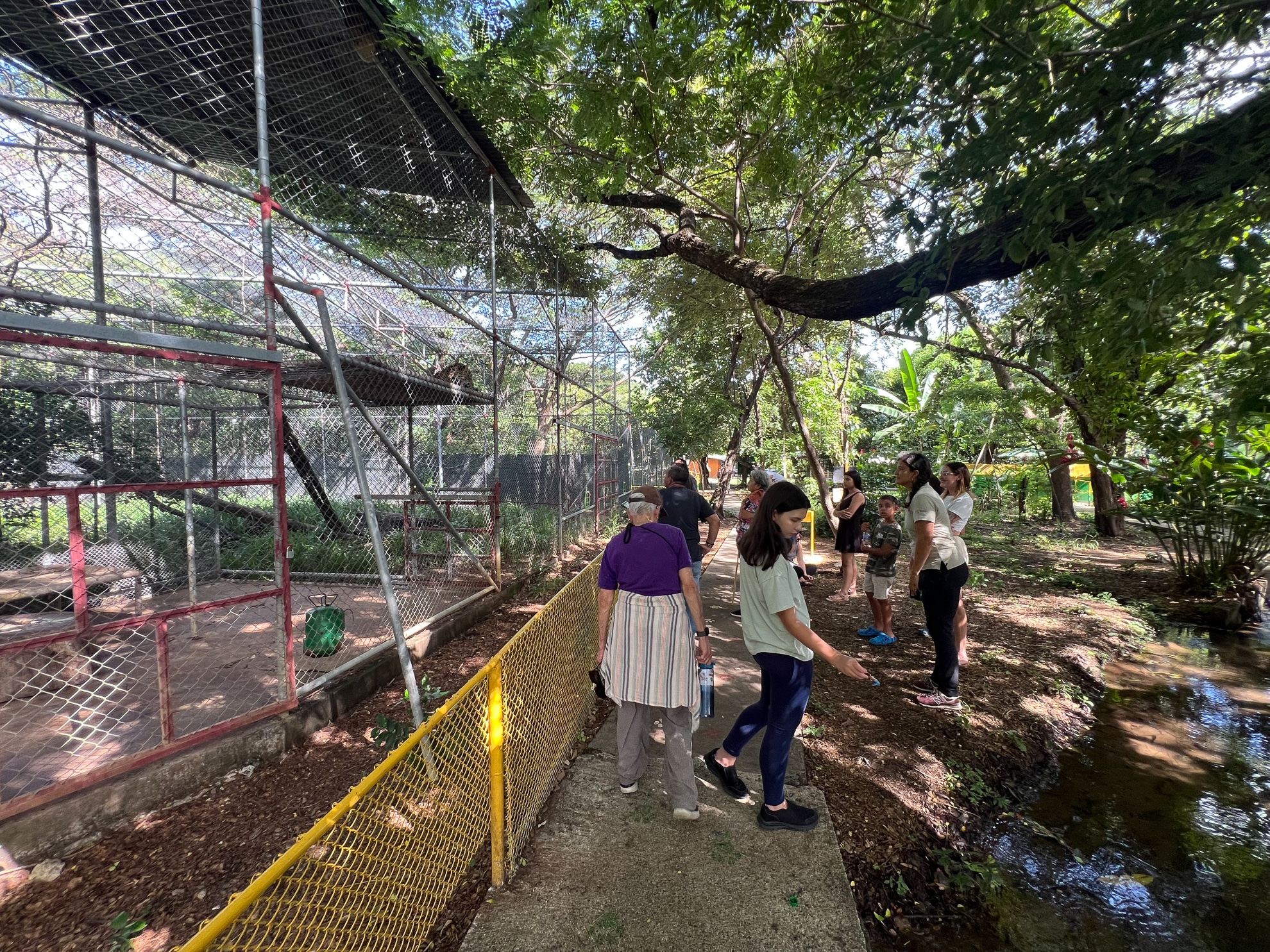
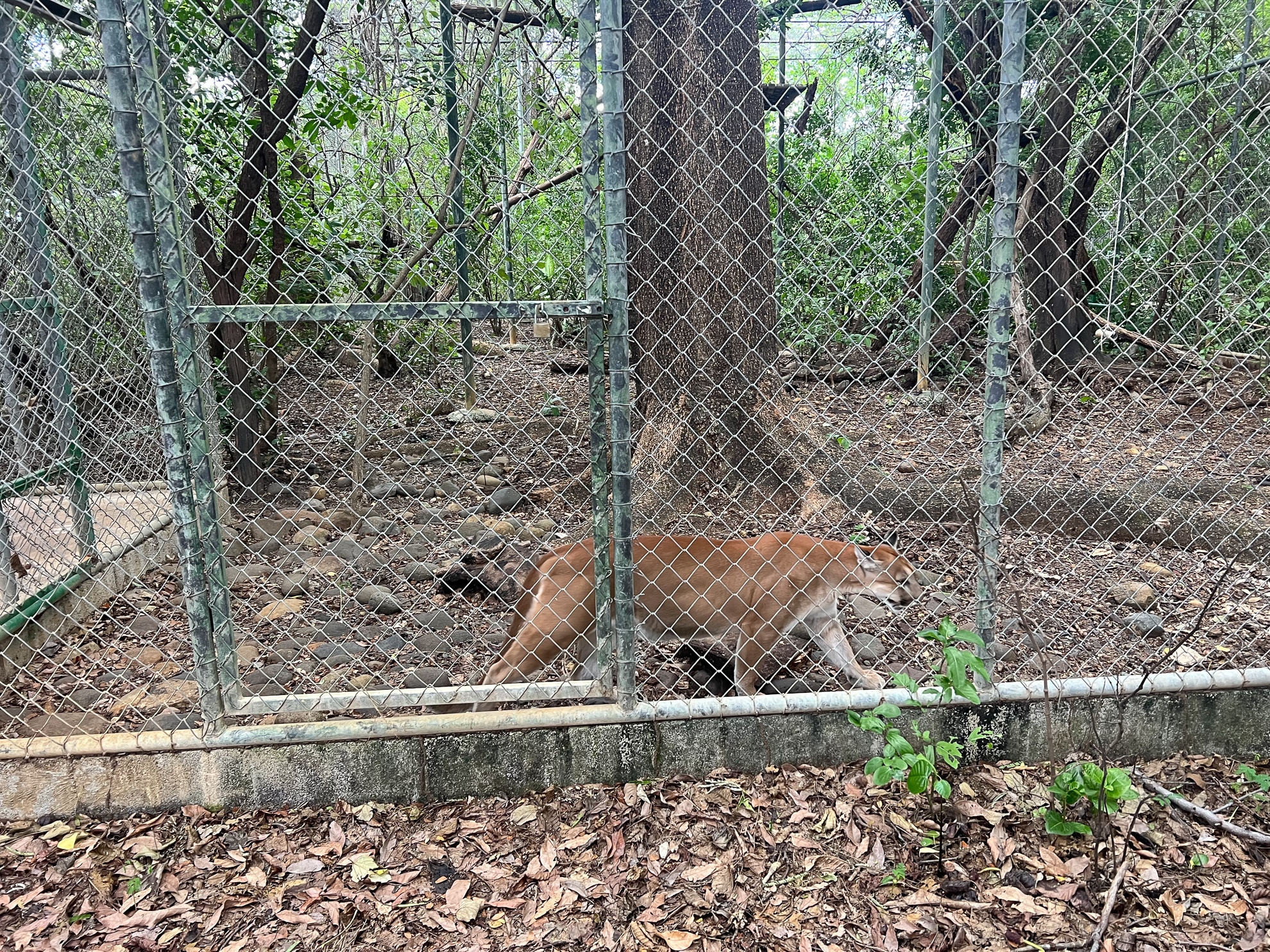
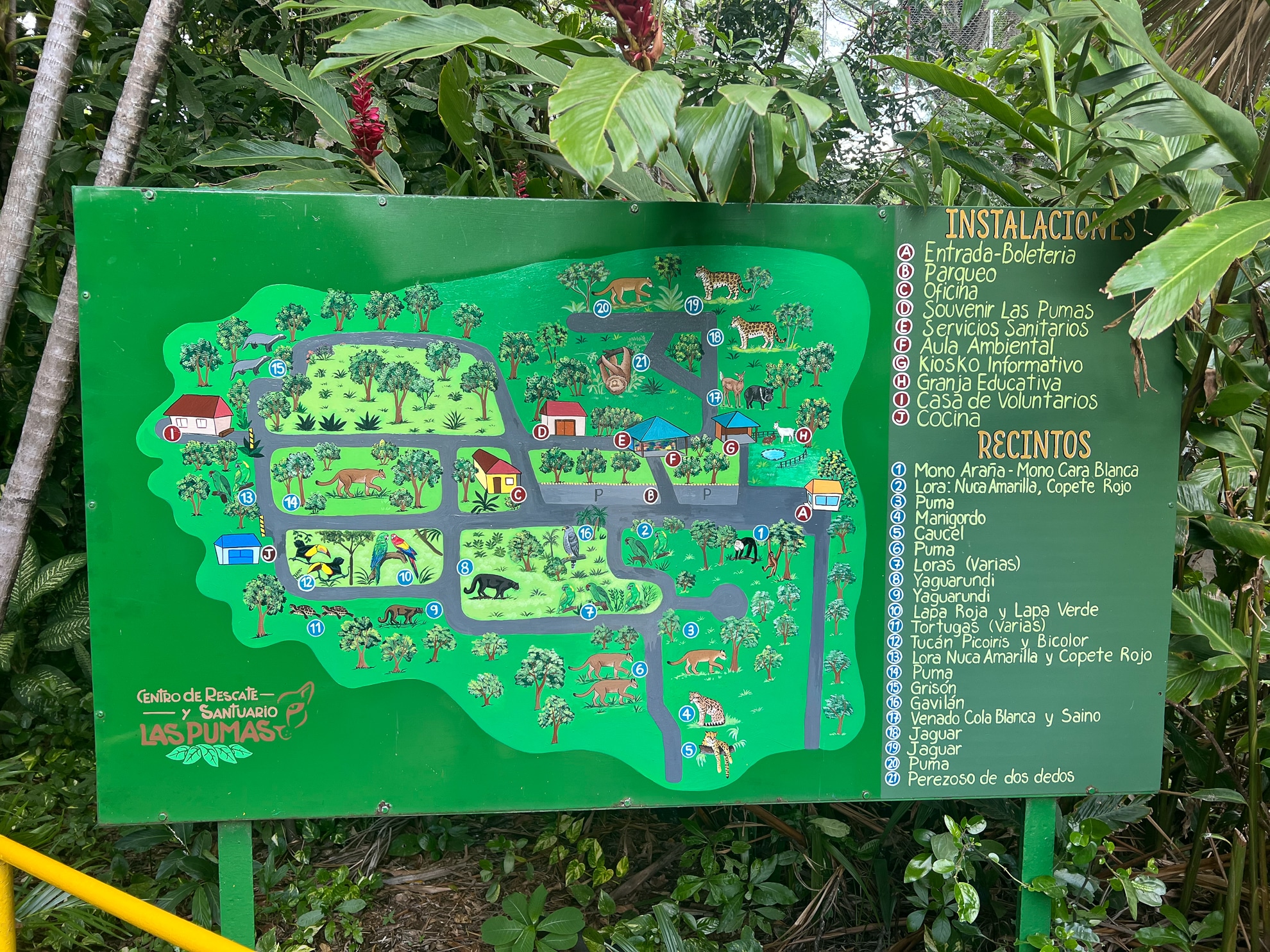
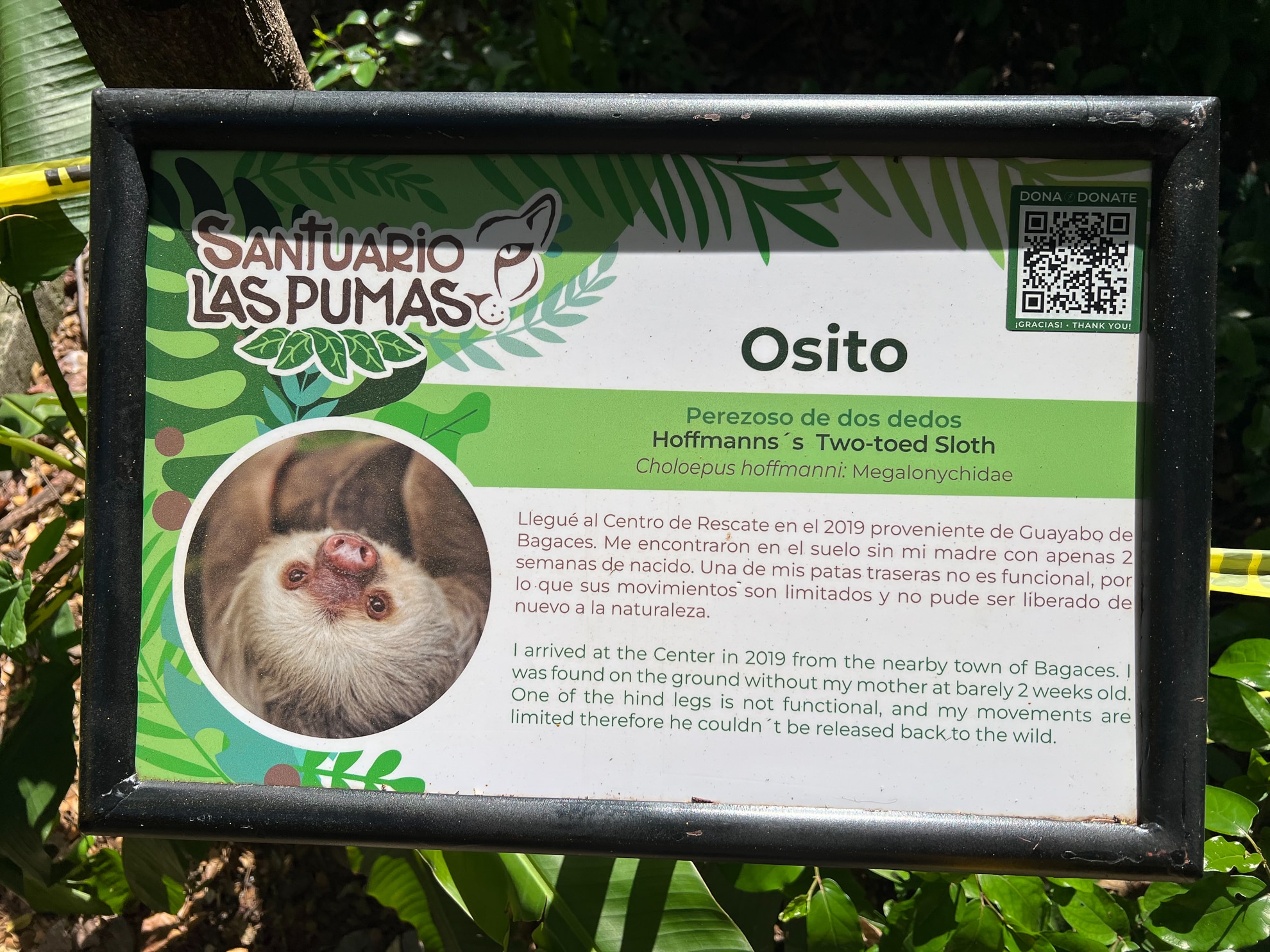
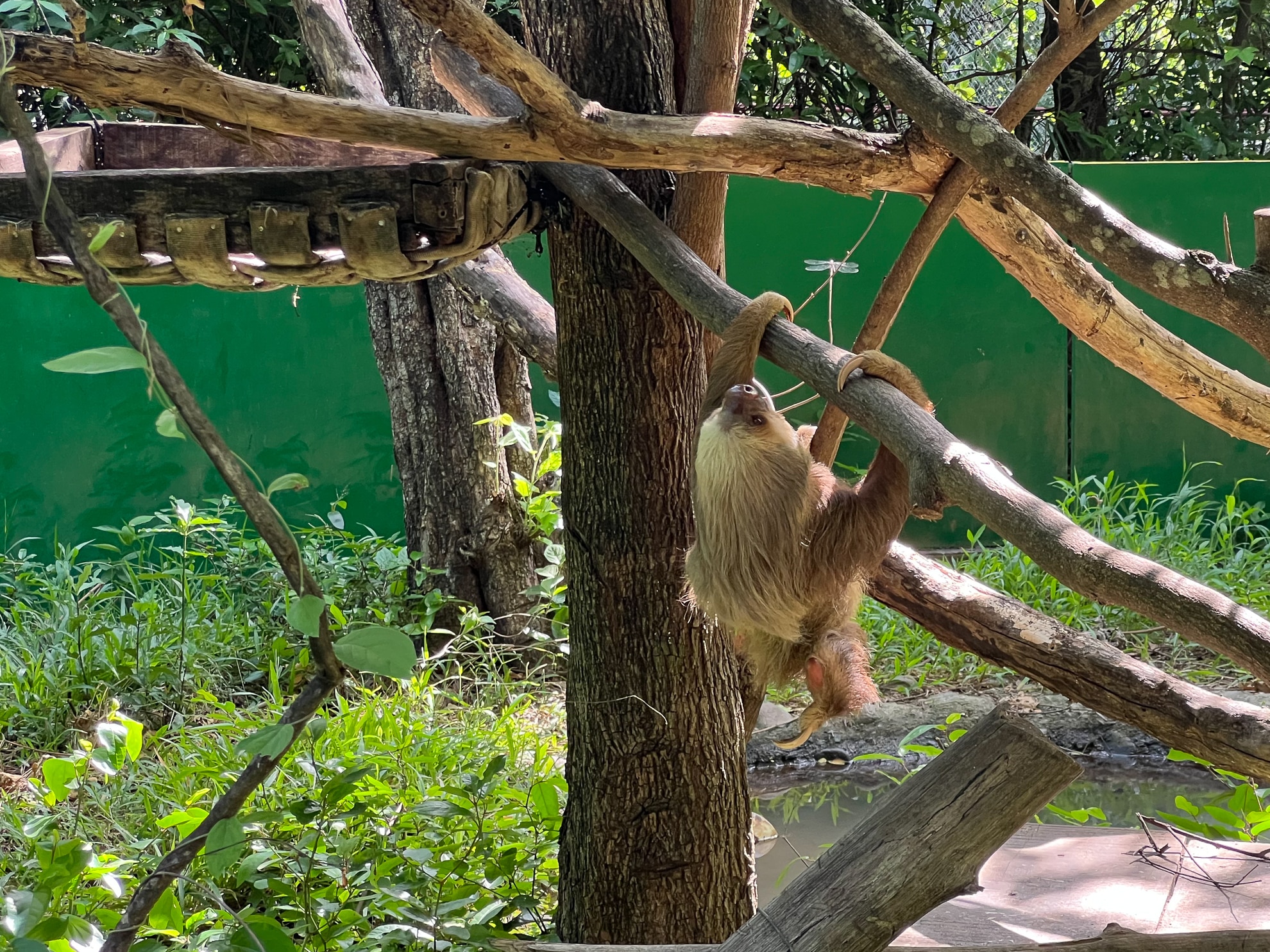
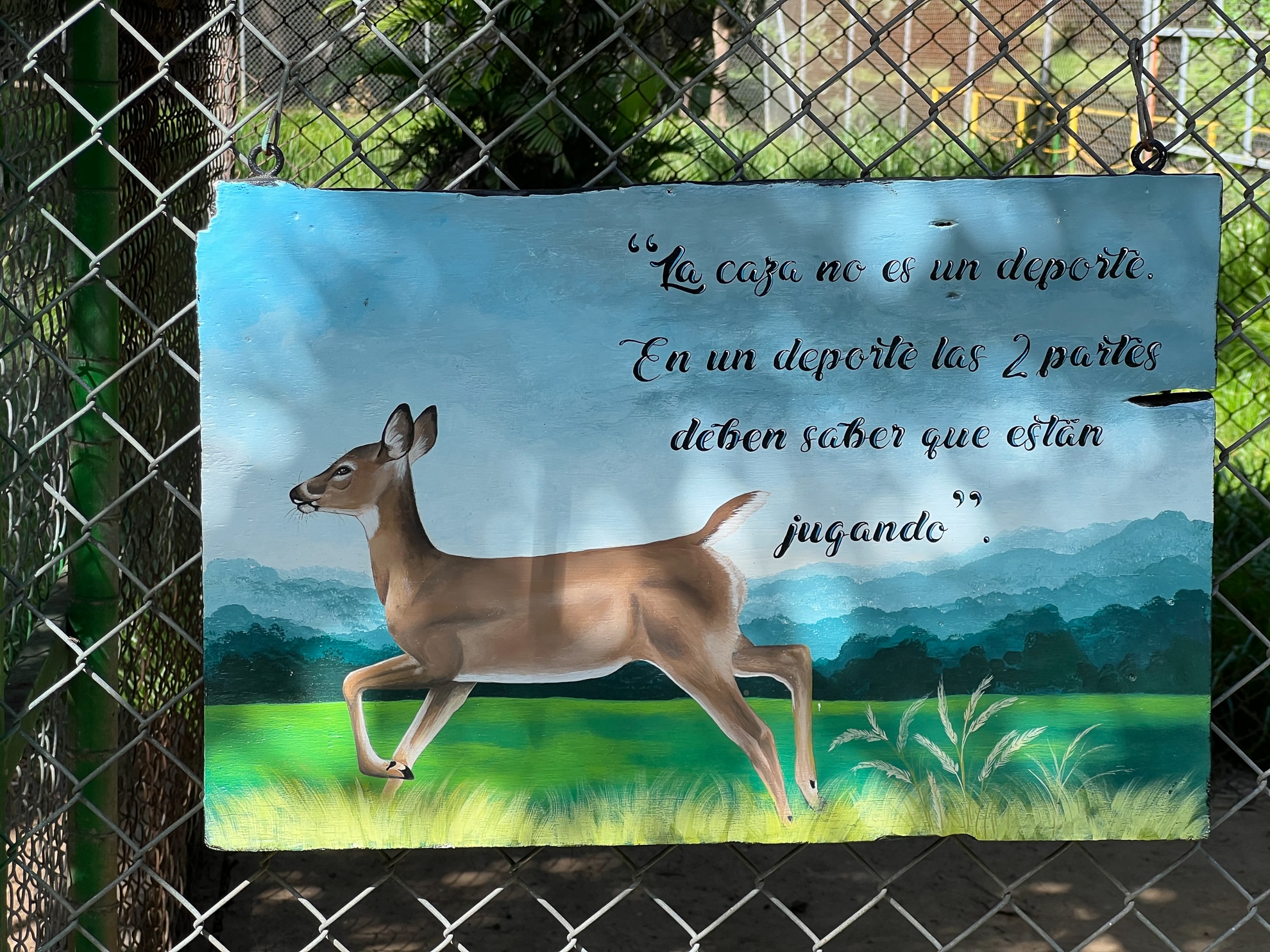
Her deep well of knowledge was incredible to see. I was also inspired by the existence of the tour itself, and the way in which it’s creating income streams for the center. (Learn more in this blog post I wrote for Amigos of Costa Rica, which supported Esther through this process; I learned about the Wild Path because I serve on the Amigos board.) Ethical wildlife rescue centers and sanctuaries play a critical role in protecting vulnerable animals, but they need support. Esther showed us the different facilities that Las Pumas has been able to provide for animals because of donors, and it was nice to know that as visitors to The Wild Path, we were adding to that support.
We also came away with heightened awareness about what differentiates an ethical from an unethical center. We’ve reported extensively on that in the past, with input from Esther and other biologists and veterinarians; check out our stories on how to choose an ethical center to visit, or how to choose an ethical center for your volunteer work.
One final, very practical note: trips to and from Guanacaste can be long and taxing, especially during seemingly endless construction. A visit to Las Pumas gives your family a place to rest, take a walk, use the bathroom, visit a good gift shop, or even have an open-air snack in the reception area.
Learn more about the Center here.
Author

Related Articles

Aloe vera: an old friend, supporting our health
What makes the aloe vera plant stand out among its ancient group of peers? Why is it so famous? What are its uses and benefits? Let’s find out. We bring you this story, thanks to the sponsorship of BioLand Aloe Vera Gel.
The secret to the best baked plantains—and it’s not an ingredient
We’re sharing our secret on how to bake the juiciest and sweetest ripe plantain possible, and it’s not a special ingredient.