Loving what’s ours: Fishing in the Costa Rican Caribbean
When talking with fishermen and community leaders Garvin, Gerald, Eduardo, and Jayson about their experience fishing in the Costa Rican Caribbean, the list of species and the communities’ commitment seems endless.
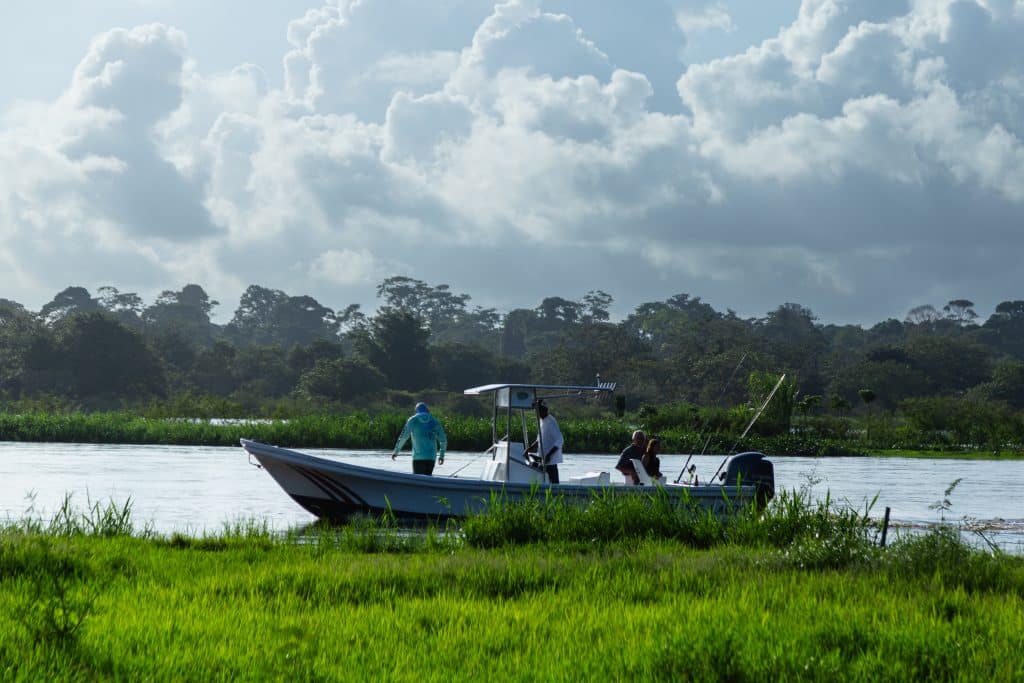
“The Caribbean is a mystical place, capable any kind of surprise—whether you’re fishing from the shore, from a boat, along the coast, or deep-sea fishing,” says Garvin Wattson, after running through a long list of the species that sport fishers might encounter on an adventure along Costa Rica’s Caribbean coast.
He begins that list with the “silver king,” or tarpon, the iconic species of the region. Next up: snook, jacks, mackerel, snappers, silk snapper, dogtooth snapper, cubera snapper, and grouper. “We’ve also had fights with groupers, groupers weighing up to 100 kg, 130 kg,” he says.
Garvin speaks about his experience in Parismina, where he lives and works as a sport fishing guide and leader. But this reality isn’t exclusive to this central Caribbean area. It can also be found in Barra del Colorado, to the north, and in Southern Caribbean communities such as Cahuita, Puerto Viejo, and Manzanillo.
The tarpon has long been the star fishing species of the Caribbean. Stories of encounters with this iconic sport fish are endless, no matter where you ask along the Caribbean coast.
“Fishing here is about being lucky enough to encounter the famous silver king,” says Garvin. “[It’s] an incredible encounter with these animals, because when they first get hooked, they always tend to jump… they’re brutal.”
Those who have experienced these encounters recount that long ago, there were fishing seasons and tournaments where they could catch and kill hundreds of fish, year after year. However, this reality has changed drastically in recent years: now, the practice of catch and release is encouraged.
Gerald Pérez, Jayson Taylor, and Eduardo Pérez live in the Northern Caribbean and have witnessed these changes. They’ve been a part of the sport since they were small.
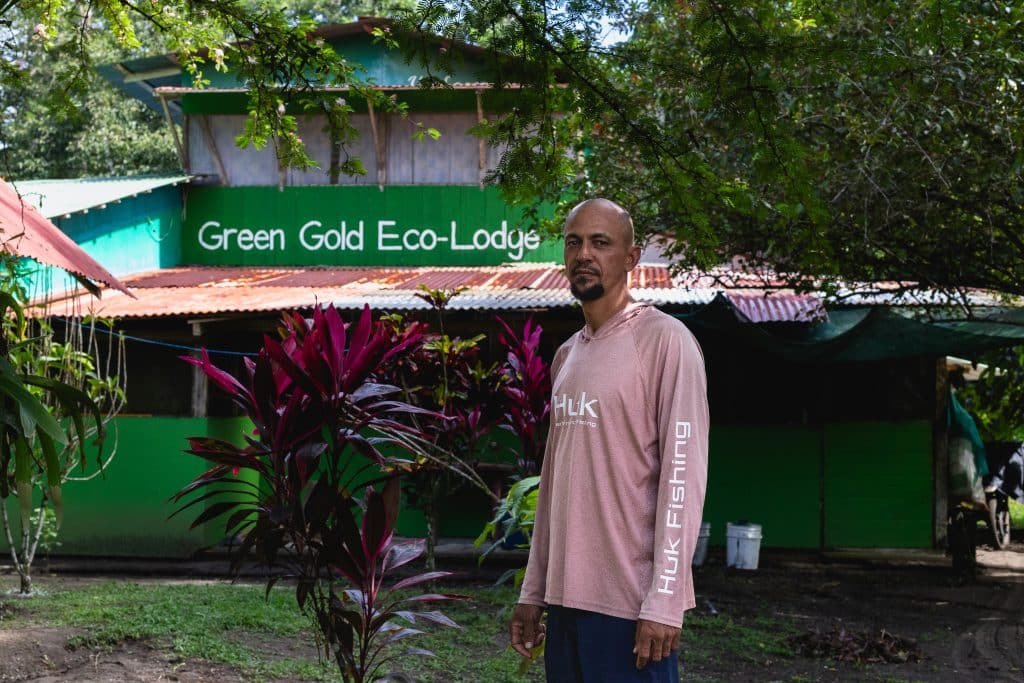
In Barra del Colorado, Eduardo began his relationship with the sea at age nine, processing sharks. Later in life, he dedicated himself to lobster fishing in the Caribbean. He left his community to work and train in construction, but a decade ago he returned to lead Kawé Lodge and offer catch-and-release sport fishing services.
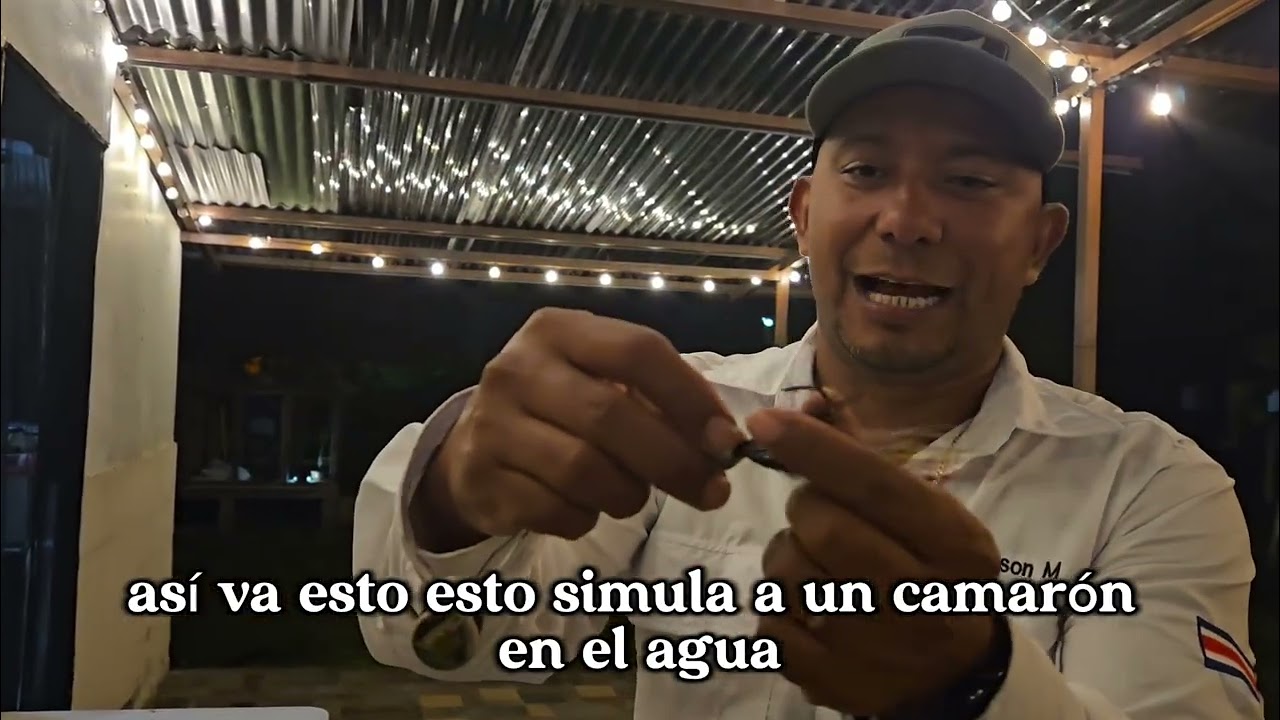
In Parismina, Gerald and Jason began their relationship with fishing as a hobby at a very young age; now it’s an important part of their professional lives. The three operate lodges and tours, not only for fishing but also for other ecotourism activities such as wildlife viewing.
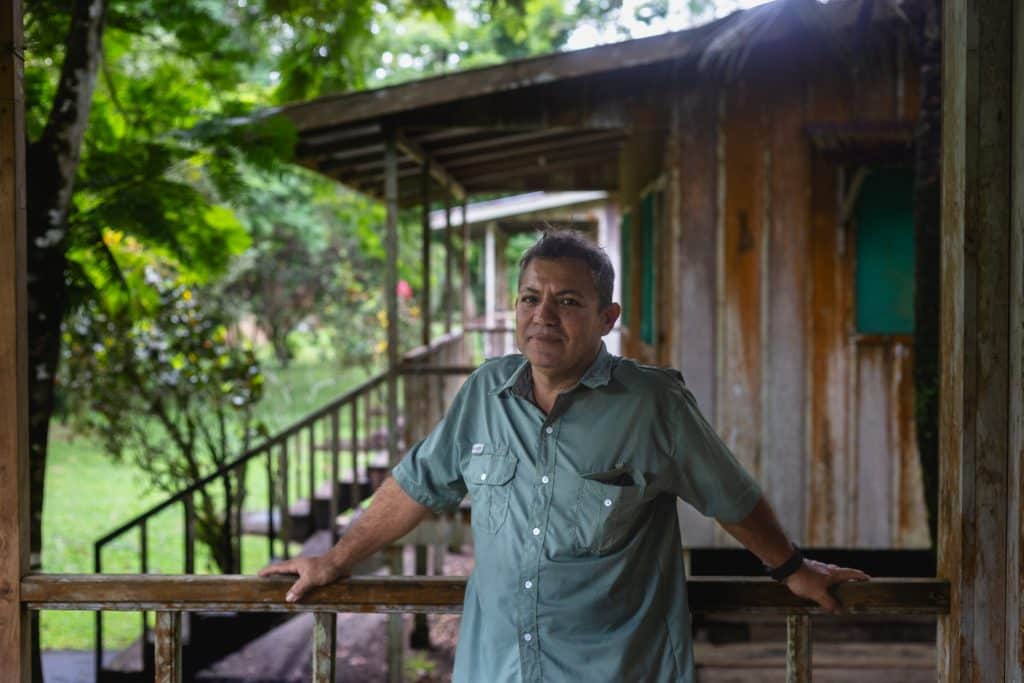
The changes they’ve witnessed in fishing now force them to travel longer distances to find locations that offer the experience that sport fishermen seek when fishing for tarpon. Despite this, the Costa Rican Caribbean has much to offer, because its communities, fishers, captains, guides, and everyone involved in tourism have organized themselves to protect natural resources and offer national and international visitors a unique experience.
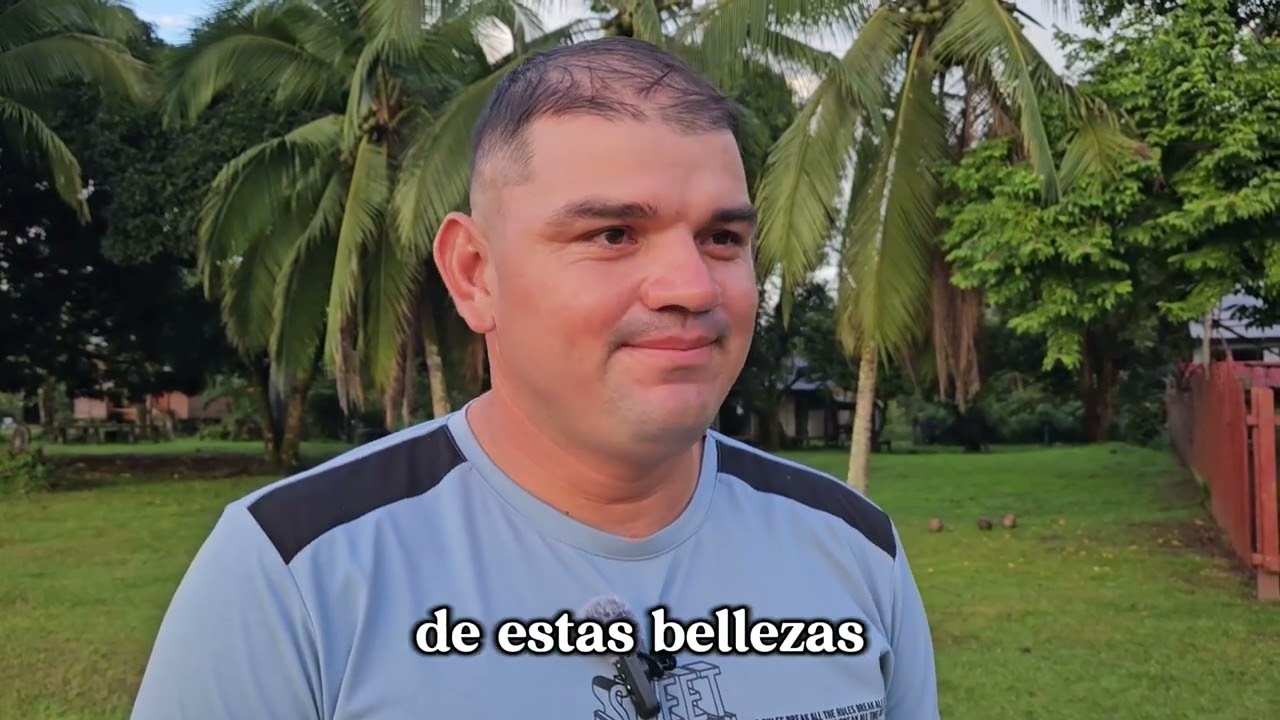
On the northern reaches of the coast, the Barra del Colorado Sur Ecotourism Association is promoting a conservation and sustainable development process focused on the tarpon as a driver of opportunities for the community. Faced with the numerous challenges the area faces, the organization is committed to strengthening responsible sport fishing as a way to protect the resource, boost the local economy, and improve the quality of life for families who depend on this activity. The dream of its members is to establish Barra del Colorado as a leading destination for sport fishing and sustainable tourism in Costa Rica.
As is the case in many coastal and rural areas of the country, this region faces significant social, economic, and institutional challenges, exacerbated by years of limited government presence and scarce development opportunities. These conditions hinder efforts to improve sustainable practices for the use of marine resources, as well as community cohesion and the implementation of local development projects.
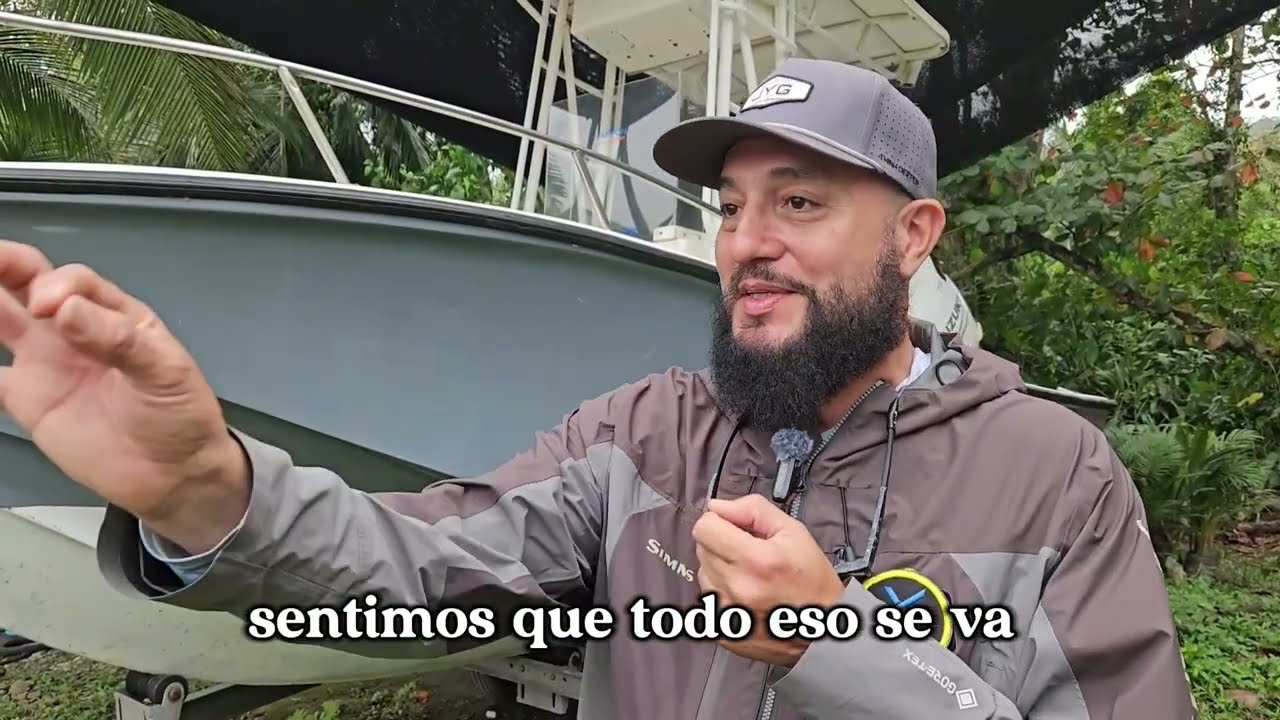
Ultimately, the desire of many people who live and work in sport fishing in Parismina and Barra del Colorado is for communities to unite to create a nationally and internationally recognized tourist destination—a destination that will allow them not only to improve their quality of life, but also to protect the natural resources that are essential to their growth.
__________________________
This report is part of a five-part series created by El Colectivo 506 as part of the consulting team for the “Participatory Tourism Fishing” project, developed by the Costa Rican Fishing Federation (FECOP) with support from the Embassy of the United States of America in Costa Rica. To learn more about the communities that live and practice sport and tourism fishing in our country, visit: https://es.fishcostarica.org/comunidades.
Author
Related Articles
The fishing life in Tárcoles, amidst nets and tourists
Families in Tárcoles, on Costa Rica’s Central Pacific coast, have relied on small scale fishing for years—but this way of life is increasingly precarious. An alternative, fishing tours, has brought new opportunities.
Threat and opportunity: the lionfish in the Southern Caribbean Coast
The lionfish is an invasive species that is damaging the coral reefs along Costa Rica’s southern Caribbean coast. Local fishermen hold lionfish fishing tournaments to try to reduce the population.
The multifaceted world of sport and tourist fishing in Costa Rica’s Central and Southern Pacific
Tourism initiatives centered on sport fishing require much more than a healthy ocean. It depends on trained personnel both on and off the water who can meet ever client’s needs. In Costa Rica’s Central and Southern Pacific, this is what’s being promoted and protected.