
The multifaceted world of sport and tourist fishing in Costa Rica’s Central and Southern Pacific
Tourism initiatives centered on sport fishing require much more than a healthy ocean. It depends on trained personnel both on and off the water who can meet ever client’s needs. In Costa Rica’s Central and Southern Pacific, this is what’s being promoted and protected.
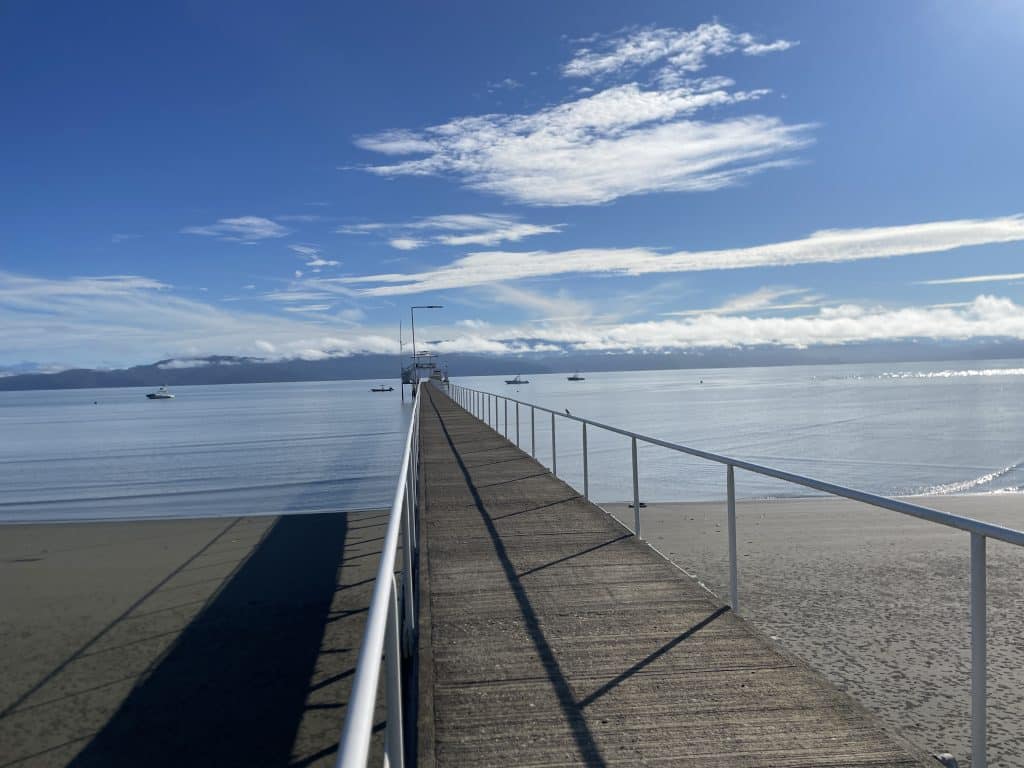
Silena Ceballos and her family make their living from sport fishing; however, she is almost never out on the water with a rod and reel.
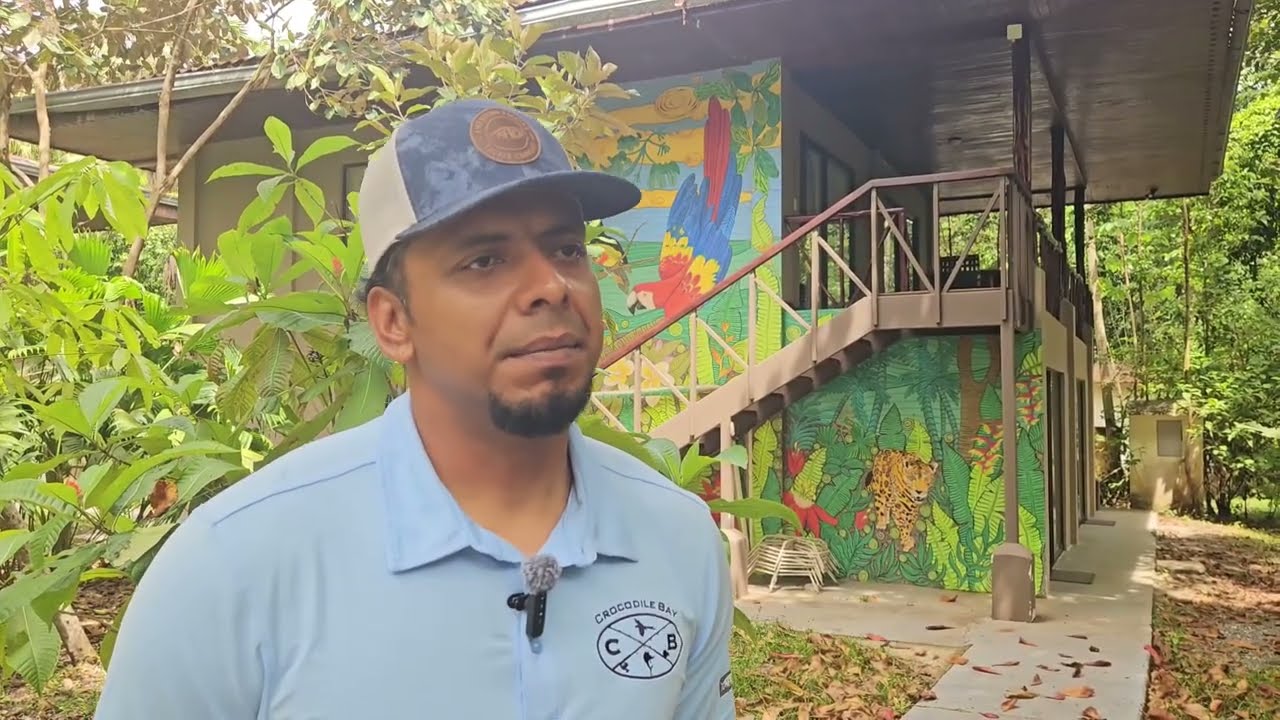
“I focus more on the administrative side of things,” she says. “I am, however, deeply involved in the fishing operations because I am part of the fishing department at Crocodile Bay—so I am well aware of the catches, the experiences the guys go through out there, and the battles they’ve had to fight.”
The company Silena works for offers sport fishing services in Puerto Jiménez, Puntarenas. Her experience reflects a rarely seen reality of this sector: a large portion of its economic impact occurs off the water. Although fishing is the engine that attracts visitors, only a fraction of the value comes directly from the catch itself. Most of the revenue is distributed across lodging, transportation, dining, logistics, boat maintenance, local commerce, and other associated tourism services.
That’s why, even though Silena rarely goes out fishing herself, her role within the sport fishing industry in Puerto Jiménez is highly representative of just how professional and complex this sector can be.
“For me, the most beautiful thing about fishing here in the Southern Pacific—and specifically in the Golfo Dulce area—is the variety,” says Silena, who then proceeds to explain, with expert insight, how colleagues work to ensure their clients make the most of the experience.
“We usually tell our clients: if you have three days of fishing, spend one day fishing near the shore, another day fishing offshore, and on the third day, you can decide what to do based on whether you have any unfinished business. Generally, clients really appreciate this approach because of the variety—[especially the fact] that it is all available within such a short distance.”“Usualmente nosotros le decimos al cliente, si usted tiene tres días de pesca, un día hágalo en la orilla, otro día hágalo afuera y el tercer día usted decide en caso de que le haya quedado algo pendiente. Generalmente a los clientes les gusta mucho por la variedad, [especialmente que ocurre] en distancias tan cortas”.
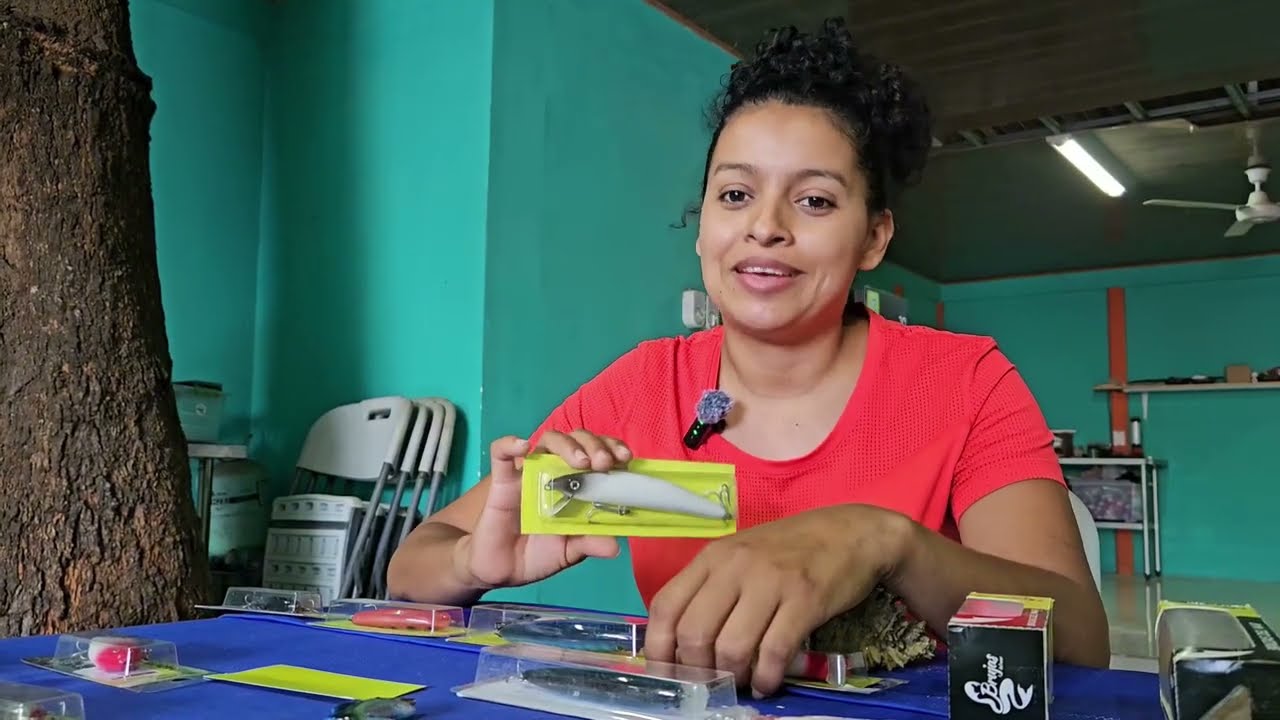
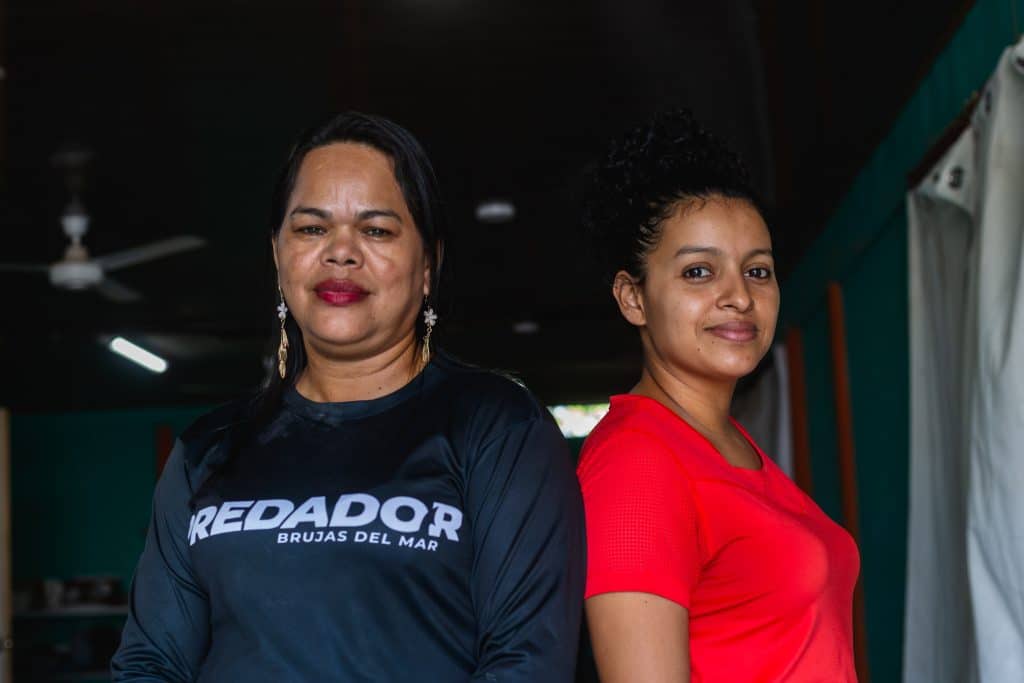
Another excellent example of just how diverse participation in sport and tourism fishing can be is Brujas del Mar, a women-led cooperative of former shrimp peelers who lost their jobs in 2018 following a ban on licenses for shrimp trawlers. These cooperative members specialize in the artisanal crafting of fishing lures—a profession that serves a highly specialized market niche and lifted them out of a precarious employment situation. Today, the Brujas del Mar are exporters, as their work is valued far beyond Costa Rica’s borders. They continue to innovate and improve with each passing day.
Specialized companies have been created to meet the needs of the sport, such as CR Primo. It began as a small shop and is now considered the country’s largest distributor of sport fishing equipment and accessories. At the same time, highly influential shops have become sponsors and promoters of national and international sport fishing events, including major tournaments—thereby serving as a unifying hub for the sector.
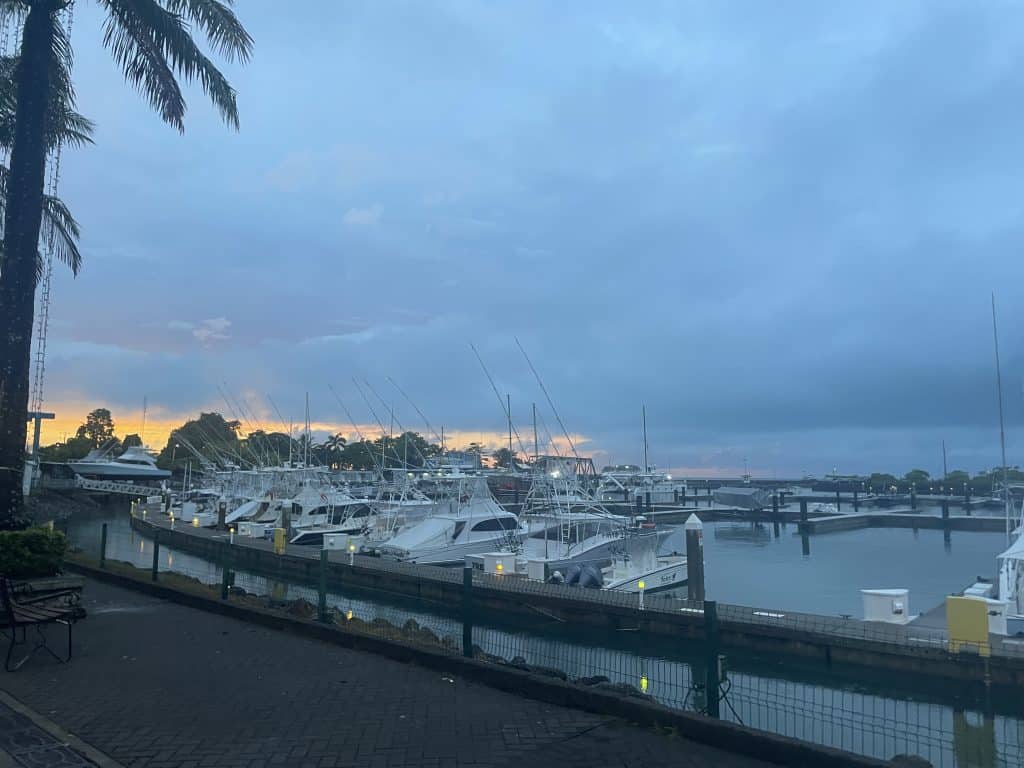
Estibaliz Hidalgo, an anthropologist and marketing specialist, holds a position similar to Silena’s, but at Marina Pez Vela in Quepos, where she has worked for more than 10 years. In her view, the professionalization of the sector creates significant impact.
“As Quepos undergoes development, and as generations transition from artisanal fishing to sport fishing, it fosters social mobility. This social mobility ranges from, obviously, meeting essential material needs—such as purchasing a home or acquiring real estate—to securing a better education or better opportunities for their children,” Estibaliz told FECOP in recent conversations.
What is taking place in Quepos is significant, because the growth fostered by sport fishing is achieved through the participation of many different stakeholders: the private sector, local associations, charter companies, NGOs, and the community. Much of this work revolves around Marina Pez Vela; representatives of the company say they understand that community involvement in its operations brings benefits to everyone.
Despite what has been achieved, there remains a significant need to further foster this professionalization—and, consequently, the formal recognition of the professions that develop within and emerge from recreational fishing.
One of the sector’s greatest needs is for the institutions that provide vocational training in the country, such as the National Training Institute (INA), to offer more certification courses for captains and officers at the local level, so that these individuals can pursue formal certification without having to leave their communities and incur the associated costs.
In the absence of these local training opportunities, many people seek certifications in countries such as Panama or resort to informal practices to obtain licenses, thereby compromising the quality and safety of the industry.
However, the lack of pathways for the professionalization and formalization of skilled personnel has another consequence: competition to hire that skilled personnel. This, in turn, fosters informality and instability. Companies often lose personnel they have trained—or whose training they have supported—because people decide to work for employers who offer better wages or tips, but who do not provide social security or year-round stability.
That’s why organizations such as the Association of Friends of Coastal Tourism and Fishing (AATCP) in Puerto Jiménez, as well as companies such as Crocodile Bay and Marina Pez Vela, work to create training opportunities for those involved in the sector. For instance, they generate opportunities not only for sailors and captains, but also for people who want to specialize in fishing tourism services such as administration, mechanics, hospitality, transportation, and food services.
One of the forces that unites the sport fishing industry is the realization that working in the sector requires extensive knowledge and preparation—not only in the art of fishing itself, but also in nautical skills, customer service, and languages. Another such force is the passion for the sport shared by its practitioners. Without a doubt, this combination of professional skill and passion serve as further reflections of the diversity that characterizes the sport.
__________________________
This report is part of a five-part series created by El Colectivo 506 as part of the consulting team for the “Participatory Tourism Fishing” project, developed by the Costa Rican Fishing Federation (FECOP) with support from the Embassy of the United States of America in Costa Rica. To learn more about the communities that practice sport and tourism fishing in our country, visit: https://es.fishcostarica.org/comunidades
Author
Related Articles
The fishing life in Tárcoles, amidst nets and tourists
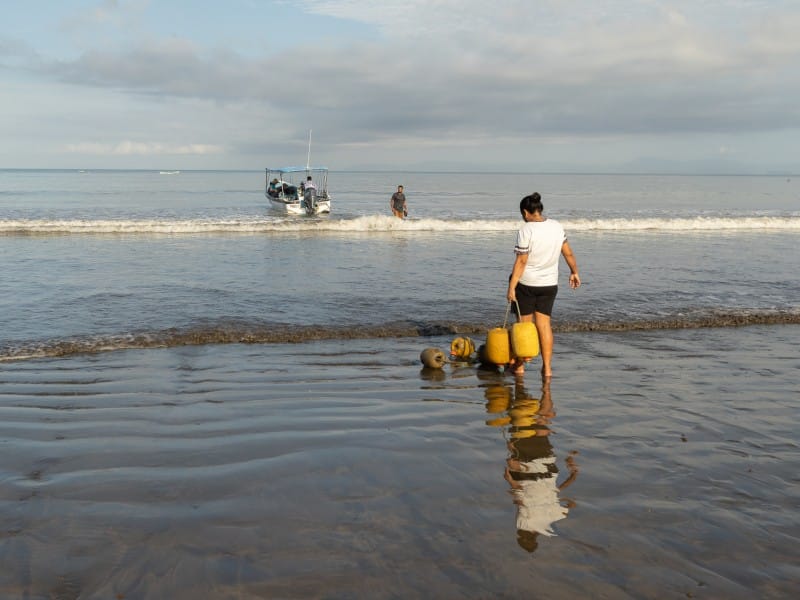
Families in Tárcoles, on Costa Rica’s Central Pacific coast, have relied on small scale fishing for years—but this way of life is increasingly precarious. An alternative, fishing tours, has brought new opportunities.
Threat and opportunity: the lionfish in the Southern Caribbean Coast
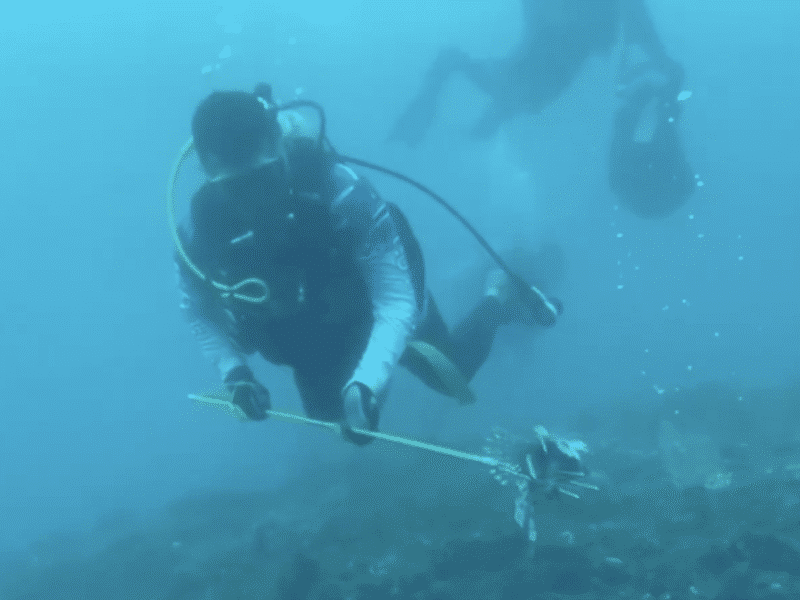
The lionfish is an invasive species that is damaging the coral reefs along Costa Rica’s southern Caribbean coast. Local fishermen hold lionfish fishing tournaments to try to reduce the population.
Loving what’s ours: Fishing in the Costa Rican Caribbean
When talking with fishermen and community leaders Garvin, Gerald, Eduardo, and Jayson about their experience fishing in the Costa Rican Caribbean, the list of species and the communities’ commitment seems endless.