
The fishing life in Tárcoles, amidst nets and tourists
Families in Tárcoles, on Costa Rica’s Central Pacific coast, have relied on small scale fishing for years—but this way of life is increasingly precarious. An alternative, fishing tours, has brought new opportunities.
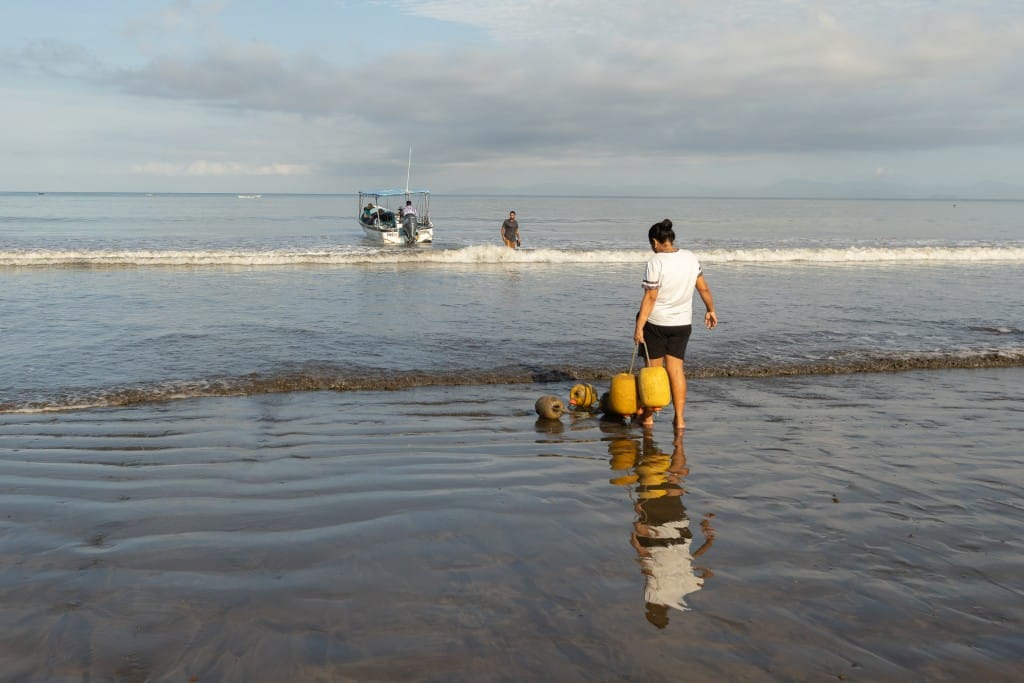
Many families in Tárcoles, on Costa Rica’s Central Pacific coast, have relied on small scale fishing for years—but a variety of factors have made this way of life increasingly precarious. A relatively new alternative, fishing tours, has opened new doors not only for captains, but also for others in the community who sell related services to visitors.
Melissa created this story with a grant from the Latin American Solutions Journalism Fund, an initiative of El Colectivo 506. The grant was made possible by a donation from the Costa Rican Fishing Federation (FECOP) for solutions journalism with editorial independence on community fishing issues. FECOP supports the initiative as part of its “Participatory Fishing” project, in partnership with the U.S. Embassy in Costa Rica. The story was originally published in Reescribiendo la Narrativa on June 9, 2026 and re-published at El Colectivo 506.

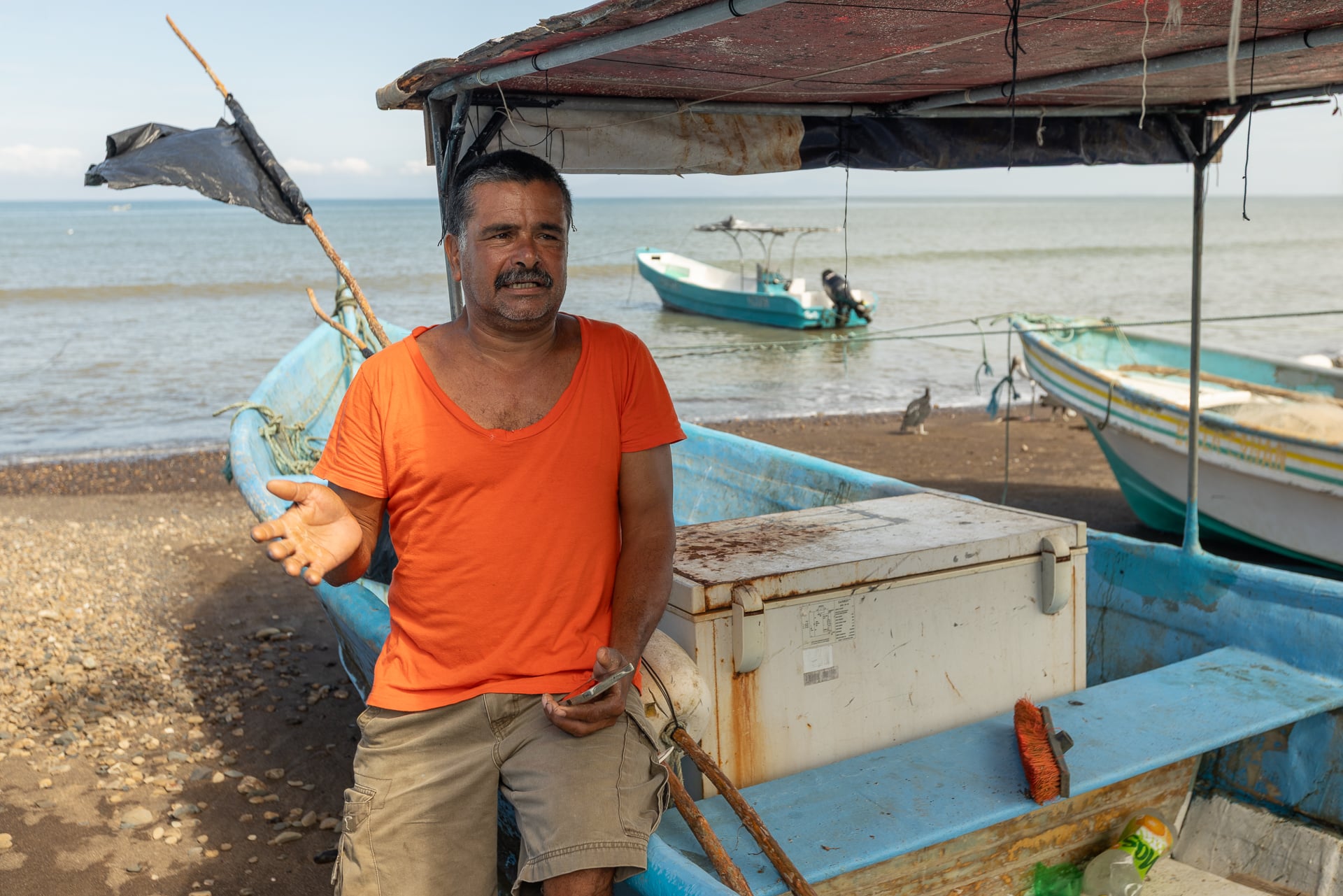
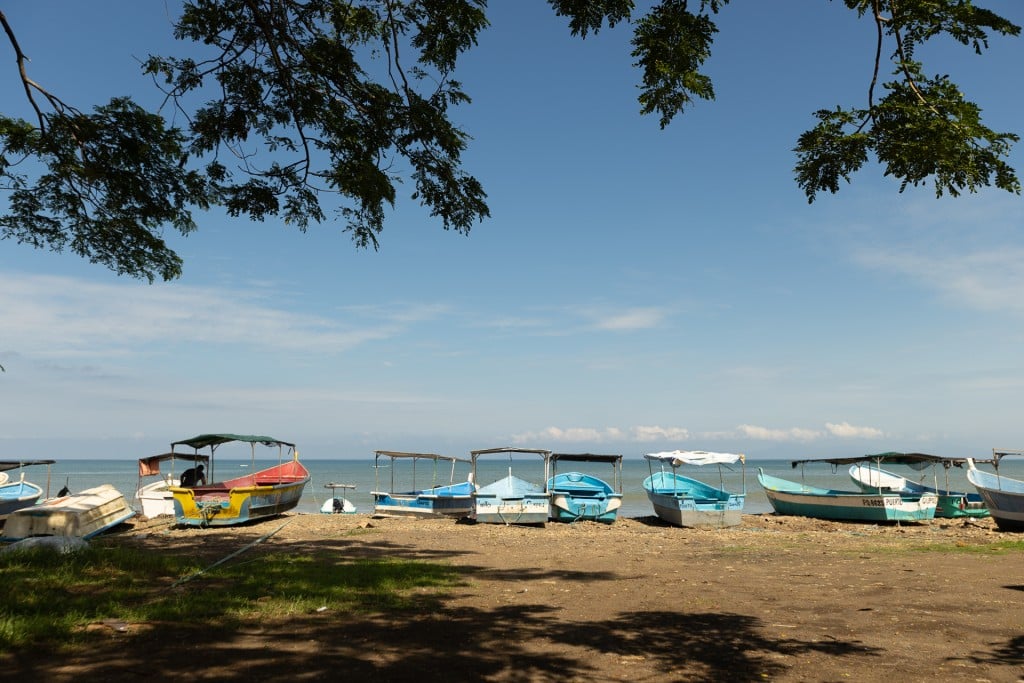
Upon arriving in Tárcoles, a town on the Central Pacific coast less than two hours from Costa Rica’s capital, one of the first things I saw was a group of fishermen near their boats, moving between the beach and the street. Under the shade of a cluster of trees, some were preparing fishing nets, focused on their work and occasionally chatting.
Among them was Manuel Salvador Rodríguez Martínez.
Manuel noticed my arrival and, unlike other local artisanal (small-scale) fishers, was very open to talking from the start. However, before we started our conversation, he went to help launch a panga, a small craft about to set out for the day.
When he returned, he continued his work: repairing his nets by hand and explaining how, after three decades of experience in artisanal fishing, he has gradually ventured into tourist fishing to earn extra income.
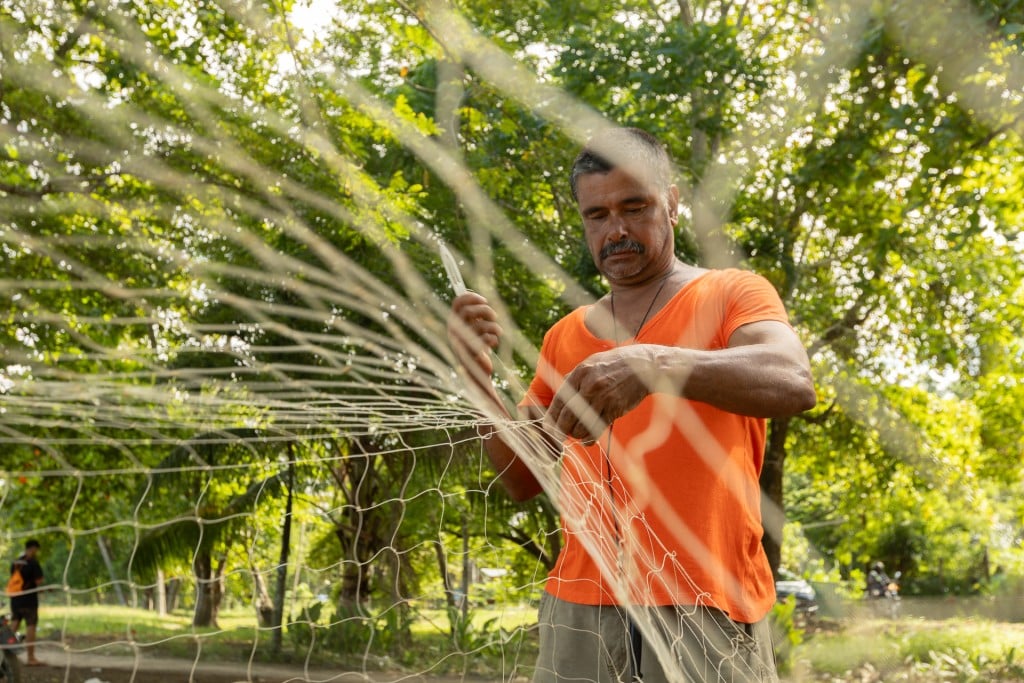
“Years ago, you could live solely off fishing,” says Manuel as he adjusts a gillnet worn from use. “Now, when little tours come along, I accept them.”
Manuel arrived in Tárcoles as a young teenager, after leaving the northwestern province of Guanacaste in search of work. He found a hard trade at sea, but enough to support himself. More than 33 years of artisanal fishing have passed since then, nights guided by the tides and entire days depending on the sea’s behavior.
About 16 years ago, he began combining artisanal fishing with tourist excursions and recreational fishing trips. The idea arose almost by accident when a group of women, all foreign students, asked him to take them out to sea. That impromptu outing ended up becoming a new opportunity. Since then, national and international tourists have begun recommending him to their acquaintances.
Like Manuel, other fishers from Tárcoles found that tourism provides an alternative to cope with the instability of small scale fishing. Some no longer spend two or three weeks at sea: they now work taking visitors fishing, birdwatching, or whale shark and dolphin watching. For many, the change meant more consistent income, less fuel expense, and more time with their families.
Marco Chacón Rojas, known to everyone as “Ton,” recalls that he used to spend up to a month fishing far from home, in areas to the south such as Golfito, Quepos, or Puerto Cortés. Today, he dedicates himself solely to tourist fishing.
“Whether you catch fish or not, people have to pay you,” he explains. For him, the economic difference is clear: preparing a boat for artisanal fishing can cost more than 500,000 colones (just over $1,000), while a tour requires much less investment and generates more reliable income.
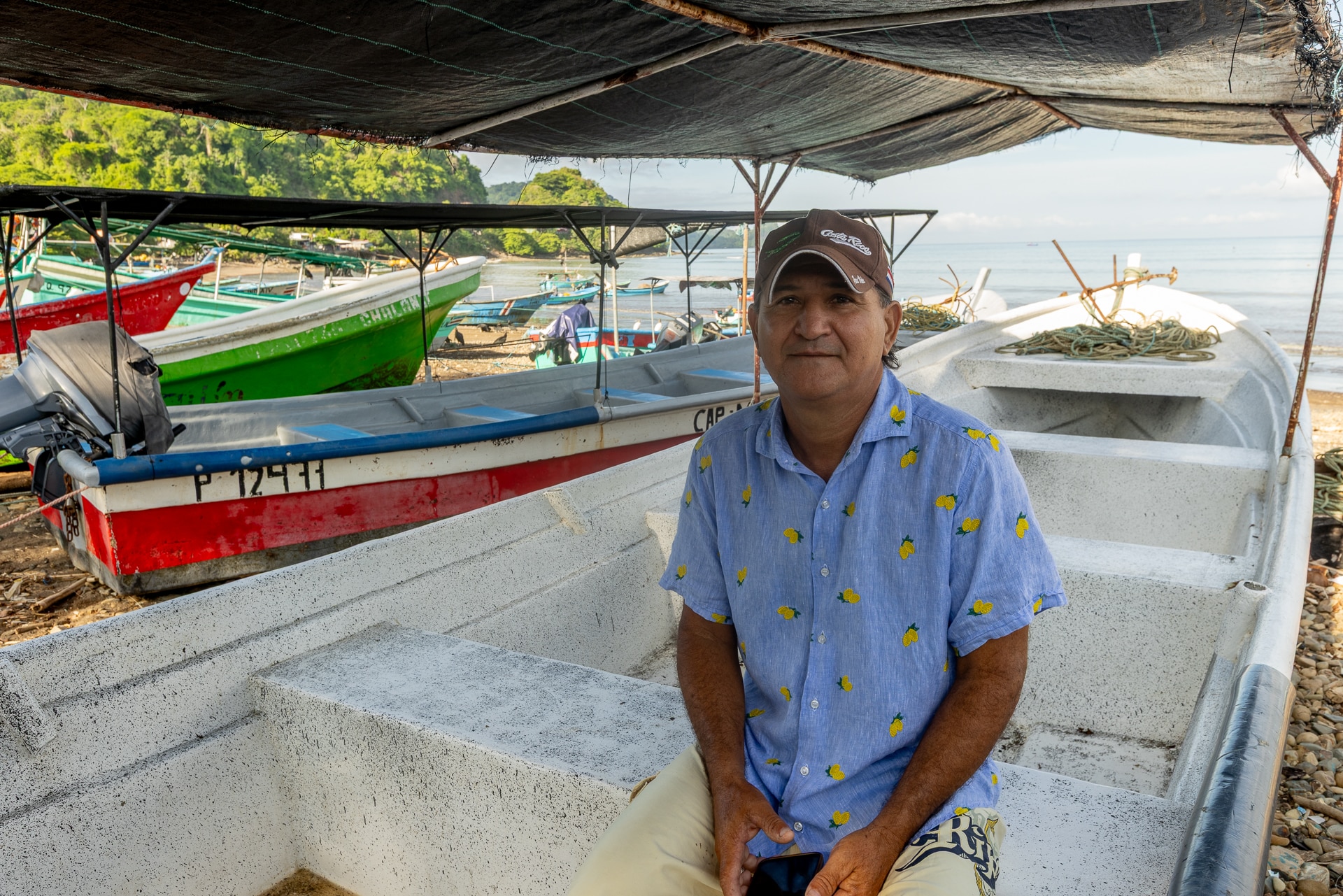
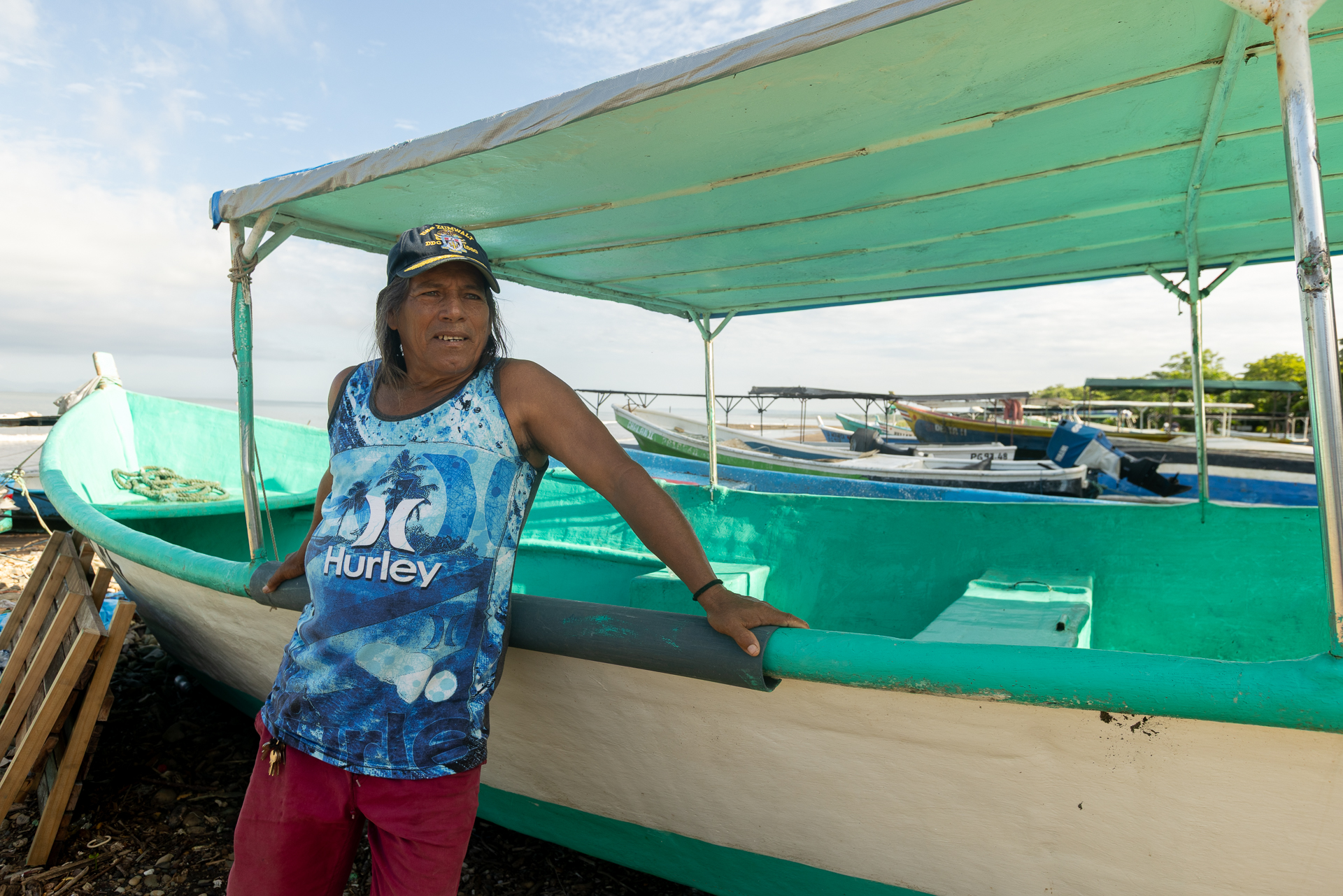
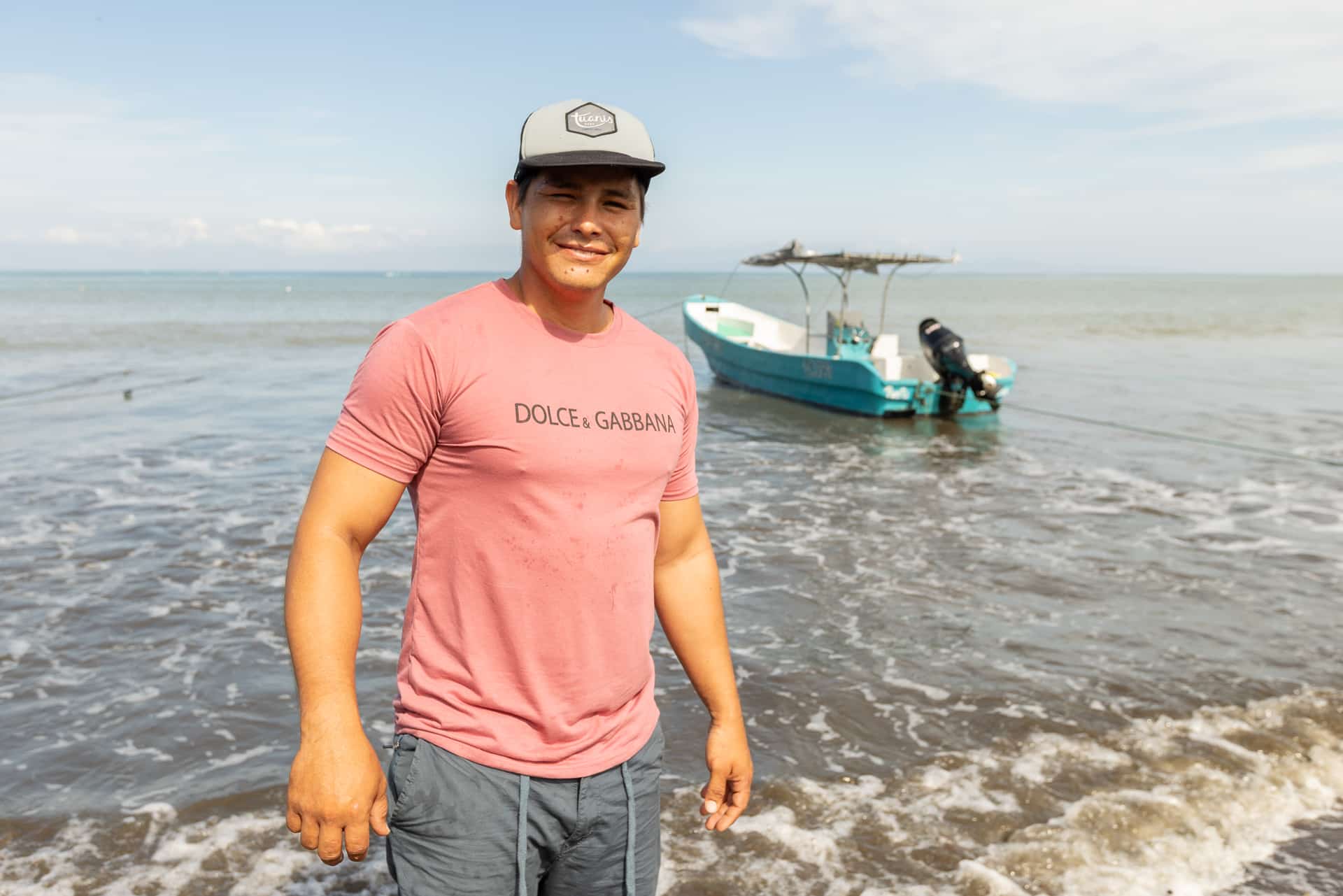
The transformation is also reflected in the pier’s landscape. Where pangas once dominated, dedicated exclusively to artisanal fishing, now several boats offer tourist excursions on weekends. Some families live directly from the tours; others depend on related activities, such as cleaning fish, helping with the boats, or managing parking lots near the beach.
However, the transition has not been the same for everyone. While some fishers believe that tourism allowed them to support their families when fishing declined, others point out that fully entering this activity requires more powerful engines, permits, suitable boats, and financial resources that are difficult to obtain. Problems related to infrastructure, access to drinking water, and institutional support also persist.
Amid these tensions, the community continues to adapt. Tárcoles no longer lives solely off traditional fishing, but it hasn’t abandoned the sea, either. Between tours, gillnets, tourists, and small motors, artisanal fishermen are trying to build new ways to survive on a coast marked by pollution, economic uncertainty, and changes in the ocean.
How did artisanal fishermen in Tárcoles transform tourism fishing into a strategy to confront economic and environmental instability? How do they combine tradition, adaptation, and tourism to keep alive a way of life linked to the sea? What challenges do they face?
A dwindling livelihood
For the fishing community of Tárcoles—a community known to many international tourists because of the famed “crocodile bridge” where visitors often stop on their way to or from destinations such as Jacó or Manuel Antonio National Park—artisanal fishing has been one of their main economic activities for decades. Many families have lived off the sea for generations, and even today, a large part of the community maintains a close relationship with this activity.
However, when talking with the artisanal fishermen, most agree on one thing: making a living solely from fishing is becoming increasingly uncertain. Going out to fish doesn’t guarantee a good income, as Franklin González, known as “Indio,” explains: “There’s nothing guaranteed in artisanal fishing. One day you might earn 50, another day 10, and so on. But then you have to pay expenses. Artisanal fishing is tough. There are times when it saves you, but it’s not all the time.”
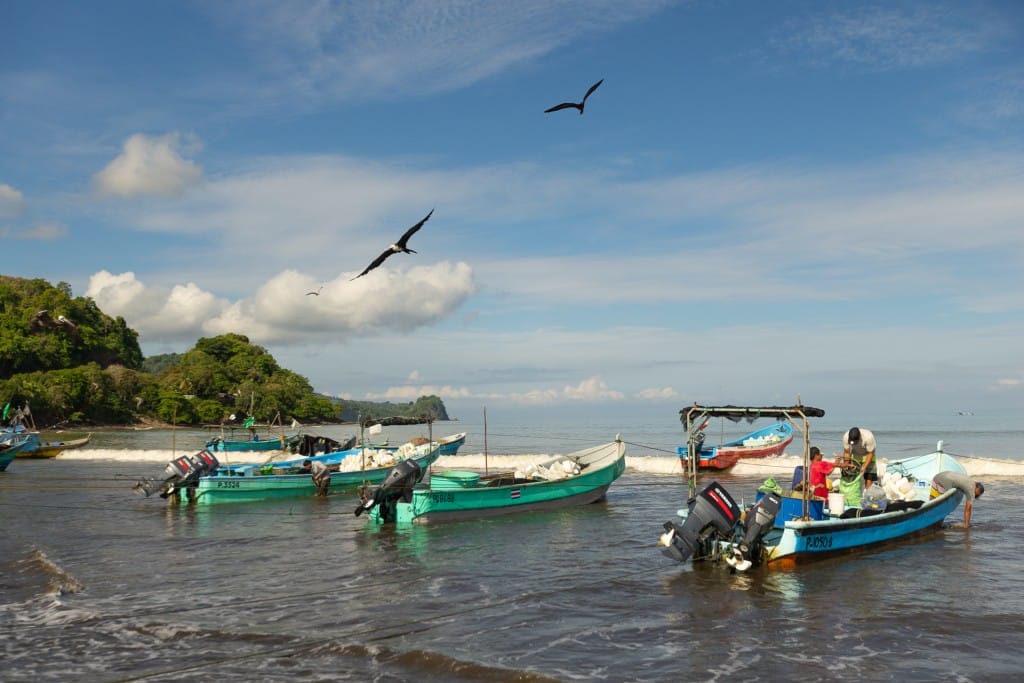
During the interview, Manuel and Marco explained that some days they return with very little fish, and other days the sea conditions simply don’t allow them to work as they had hoped. In addition, each trip involves a significant investment in fuel, ice, engine maintenance, net repairs, and other expenses necessary to carry out their work.
At CoopeTárcoles (Tárcoles Fishermen’s Cooperative), Jeannette Naranjo González also points out that other factors are at play. Among these, she mentions changes in weather conditions and variations in water levels, aspects that can affect the outcome of fishing trips.
Another factor that has put pressure on the artisanal fishermen of Tárcoles in recent decades has been the pollution of the river that shares its name with the community. What at first glance appears to be just a river actually serves as the main drainage system for San José and the Greater Metropolitan Area (GAM). Throughout its course, the river receives wastewater discharges from communities, agricultural activities, industries, and sewage systems that are not always adequately treated. This has made it a visible symbol of the country’s water pollution crisis.
This problem directly affects communities that depend on the river for their livelihoods, such as artisanal fishermen and those who work in tourism in the Tárcoles area. According to Manuel, “it’s what gets stuck to the gillnets that I sometimes have to untangle, removing the plastic from the nets.” But there are monitoring efforts and some cleanup initiatives. Fishermen like Marco Chacón Rojas explain that the pollution is less visible now—and that they’re even seeing species that hadn’t been seen in the area for a long time. Ton gave us an example: “A whale shark came to the boat on Sunday,” which thrilled the tourists they had taken fishing.
However, this pollution contributes to the general uncertainty of artisanal fishermen within a broader context of pressure on marine resources, where overfishing in the Central Pacific has also contributed to changes in some existing species, further reducing the availability of resources for fishing communities.
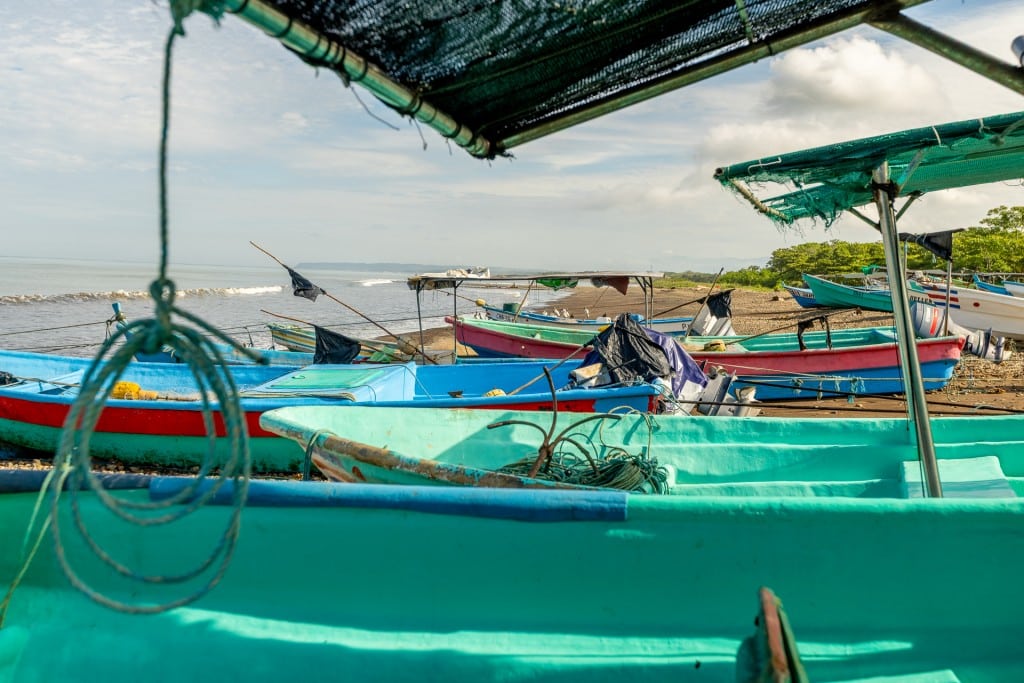
Faced with this reality, many fishers have had to find alternative ways to supplement their income. Some, such as Manuel, have to take on other odd jobs off the water and continue exploring tourism-related activities.
Jeannette, from CoopeTárcoles, confirms that overfishing by large vessels has occurred in the area.
“Now they’re catching more [shrimp] than in years past when the trawlers were there,” she says. “Pollution, overfishing, climate change, El Niño and La Niña phenomena—all of that has contributed to the improved fishing situation.”
“All of that was lost because there was a terrible fleet here,” Franklin recalls. “What were we going to catch with artisanal fishing? We suffered.”
Franklin is referring to trawling, which involves larger boats with large nets that are thrown into the water to catch everything in their path.
When Jeannette talks about the El Niño phenomenon, she’s referring to a greater-than-normal warming of the Pacific Ocean waters, which causes species to change their behavior and habitat. The same thing happens with the La Niña phenomenon, but in that case, it describes a cooling of the waters.
Manuel says, “Sometimes the fishing is bad. I do certain jobs, like assembling and repairing gillnets. When I assemble two bundles of gillnets, I earn 50,000 pesos (about $108), and when I mend gillnets, I earn 30,000 pesos a day (about $65).” Juggling these activities helps him survive when he can’t go fishing and there’s no tourism on his schedule.
Jeannette reinforces this: “The fishermen here, one way or another, manage to earn their daily bread. If it’s not fishing, it’s something else.”
A gradual change
Faced with this situation, the community’s artisanal fishermen began experimenting with tourism fishing as a way to diversify their income.
Marco “Ton” believes that tourism fishing has been more profitable than artisanal fishing because the income is more predictable and requires a much smaller investment to go out to sea. Comparing the two activities, he says, “I invest little and earn much more, double… To prepare a panga, I have to save up 500,000 pesos ($1,000). On the other hand, with my tourist fishing, all I have to use is two gallons of gasoline and a thousand pesos worth of ice,” he explains.
Franklin González says that a tourist trip can bring in between 80,000 and 90,000 colones ($173-195).
Manuel Rodríguez agrees that the activity allows him to generate a more consistent income. He explains that he normally charges around 90,000 colones per trip—but that’s just a minimum.
“There are people who pay me even more… they give me 150, they give me 130, they give me 120,” he says.
Furthermore, Franklin, Manuel, and Marco explain that the demand for tours has grown over the years. They agree that a large portion of their clients arrive through word-of-mouth recommendations that have increased over time.
However, the benefits of fishing tourism are not limited to those who operate the boats. Andalus Adanís Rojas, a woman who manages a parking lot used by tourists near the area where the boats depart, explains that this activity has also allowed her to earn an income.
“I [help tourists] park there and earn a little, enough to survive,” she says.
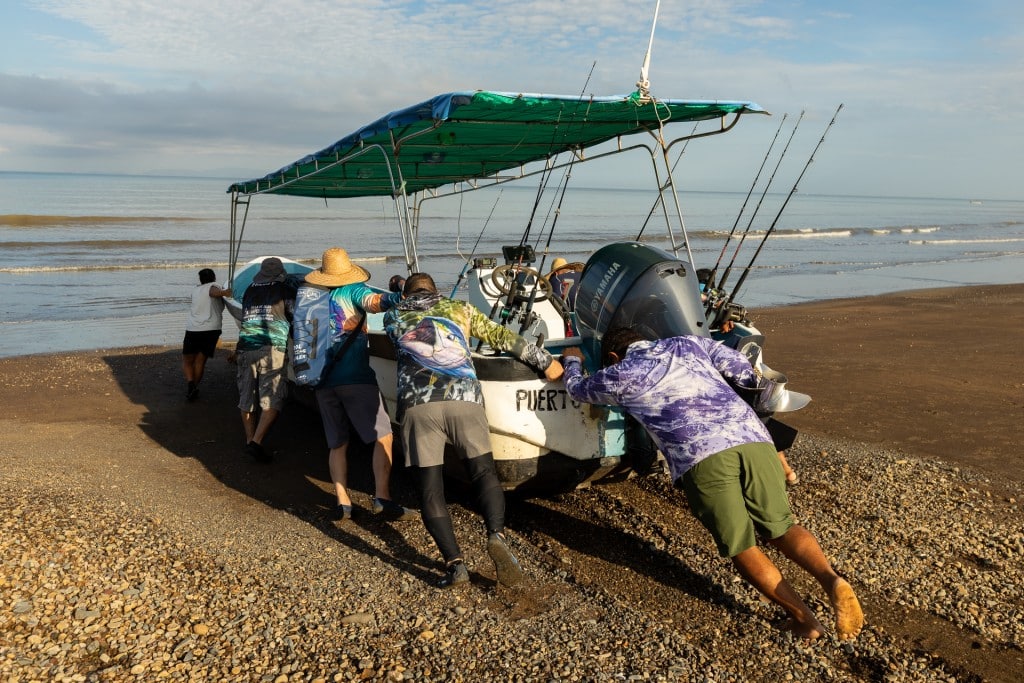
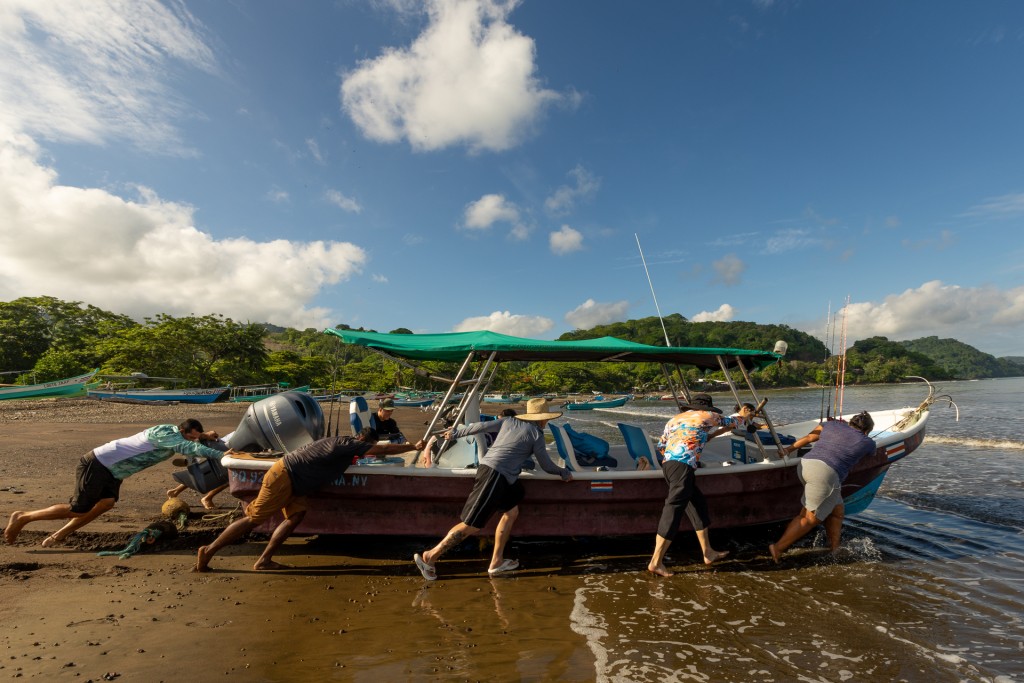
When the boats head out to sea, a group of people from the community help push them into the water, and upon the tourists’ return, they help clean the fish and the boats. Victoria Silva Cáceres, who has been doing this work for several years, summarizes the relationship between the tourism activity and her own livelihood simply: “If they do well fishing, we do well.”
Diana Elizabeth Tejada, who does this work with Victoria, says that this job has allowed her not only to generate income, but also to connect with people from different parts of the country and abroad who visit the community to go fishing.
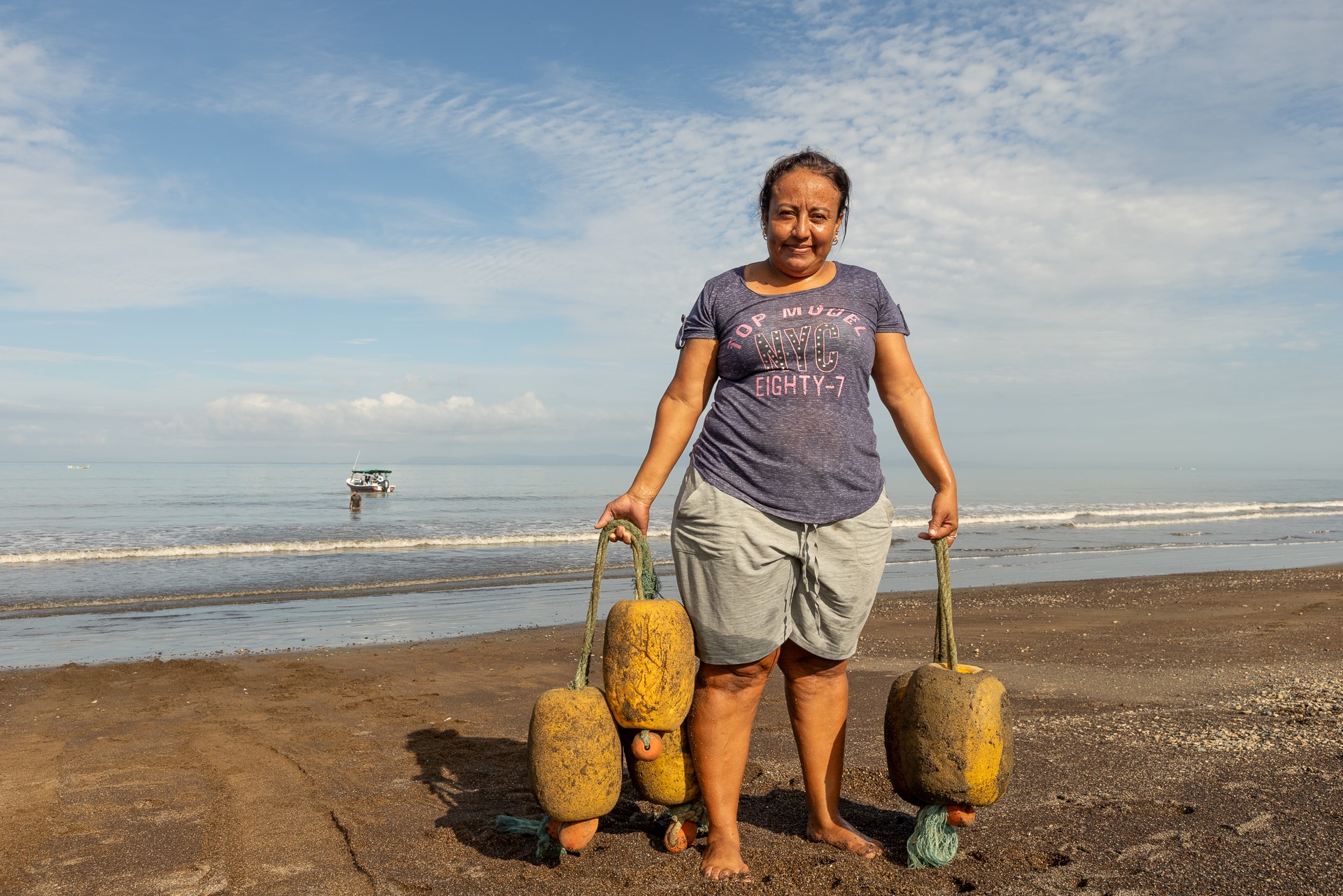
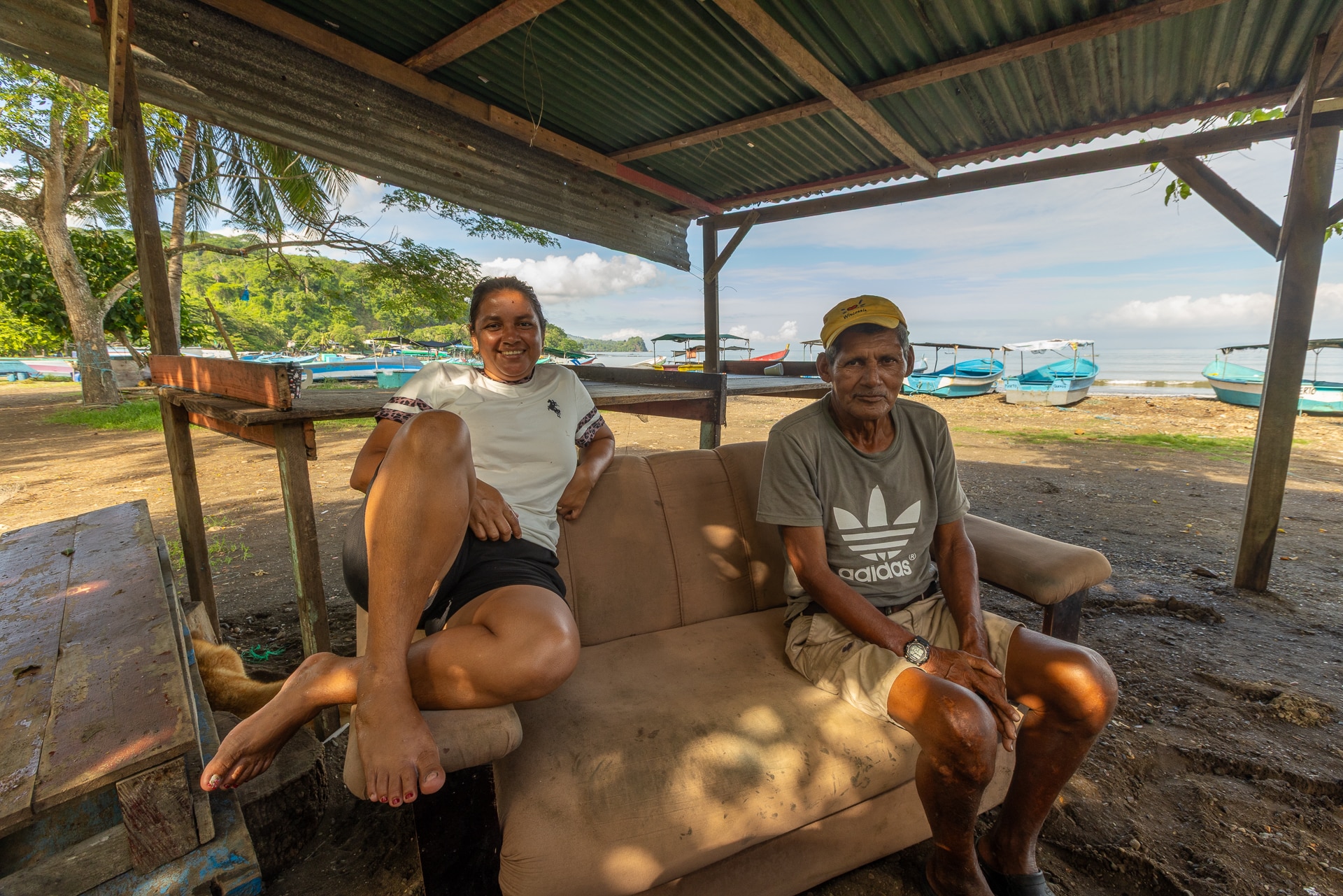
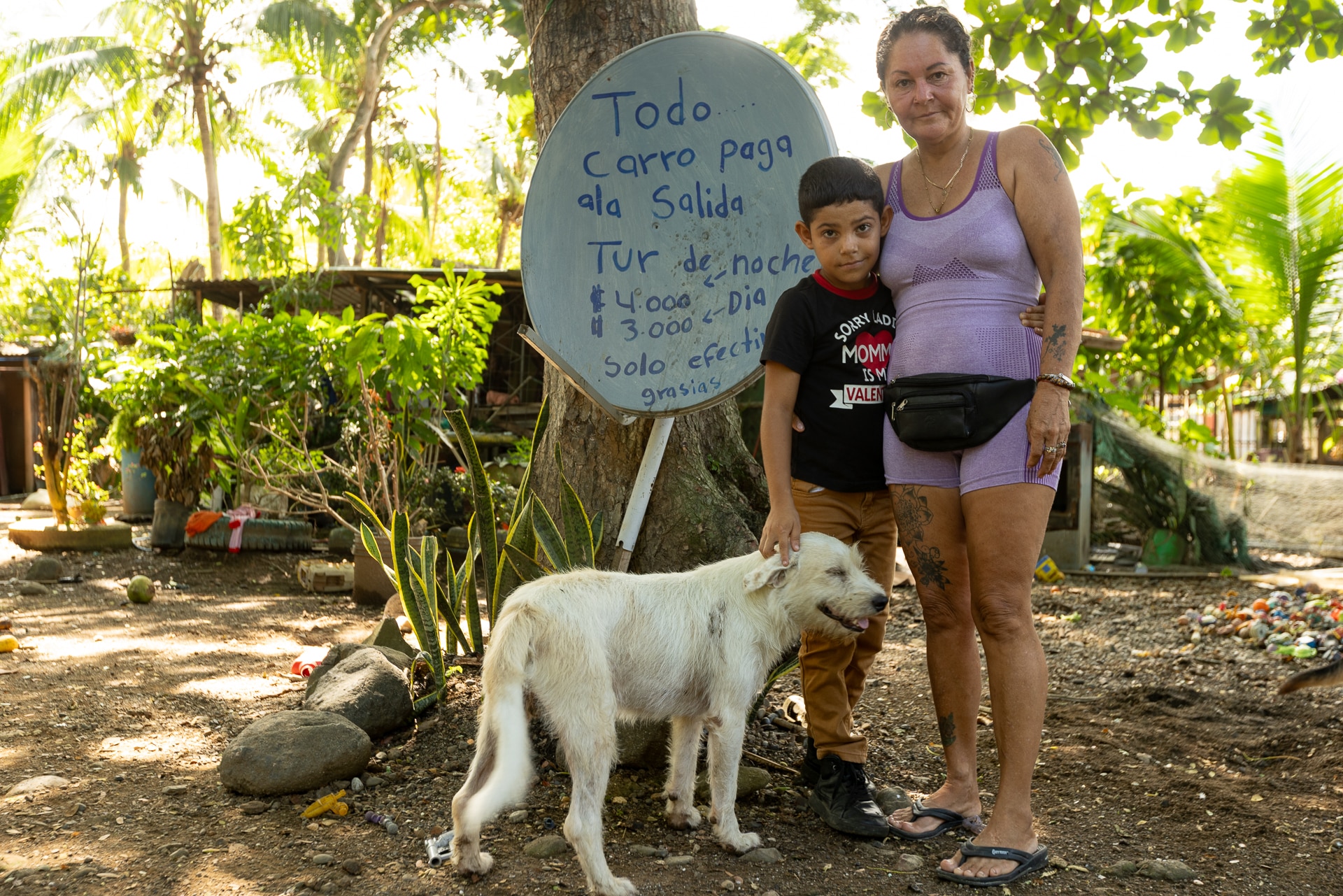
Victoria and Diana work double shifts when there are tourist fishing trips. In the afternoon, when the boats return, they offer tourists a fish cleaning and preparation service so they can take home their day’s catch.
Artisanal fishing remains a key component of the way of life in Tárcoles. Many fishers combine both activities: the might carry out traditional fishing when there is no tourist demand, or when sea conditions don’t allow for excursions with visitors. According to Jeannette Naranjo González from CoopeTárcoles, there are approximately 100 fishers in the community, but only about 16 have dedicated themselves to receiving tourists.
Ongoing challenges
Although they acknowledge the benefits the activity has brought to the community, both Victoria and Diana believe that significant limitations still exist. Among these, they mention the lack of access to potable water near the work area, a situation that hinders fish cleaning and hygiene for those who work there daily.
The fishermen who offer tourist experiences point out that one of the main limitations of this activity is the lack of resources to improve their boats.
Manuel says he can’t afford a better motor for his panga to take large groups—something that would help him meet demand. He explains that, although he has been conducting fishing tours with tourists for several years, he can’t always accept everyone who requests them.
“Some tours are too big for me, but I don’t do them myself,” he says. “I give them to other people (in the community).”
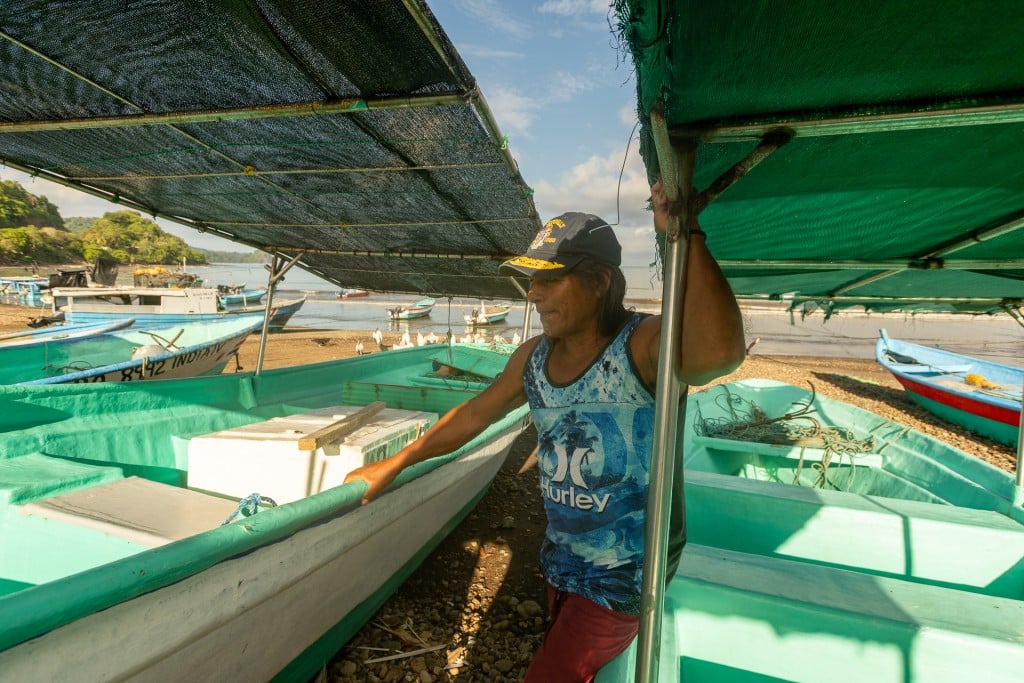
The main reason is the lack of adequate equipment. “I don’t have the right engines to work,” he says. He doesn’t have any boats equipped for long trips out to sea with larger groups.
Franklin, “El Indio,” mentions that those who offer tourist fishing could consider organizing or forming a union.
Onwards
As Manuel continued working on the net he held in his hands for much of the morning, adjusting the mesh, he began explaining the different types of fishing he’s learned to master. He described how nets are used in shallow waters, while rods are used in deeper waters, and that those fishing trips are more expensive.
When he finished our chat, he returned to his work. Nearby fishermen nearby also continued with their tasks. The scene seems like a typical day for them, but it tells a bigger story: that traditional fishing, in its current form, remains a part of their daily lives, even as new horizons are opening up.
Author

Related Articles
Threat and opportunity: the lionfish in the Southern Caribbean Coast
The lionfish is an invasive species that is damaging the coral reefs along Costa Rica’s southern Caribbean coast. Local fishermen hold lionfish fishing tournaments to try to reduce the population.
The multifaceted world of sport and tourist fishing in Costa Rica’s Central and Southern Pacific
Tourism initiatives centered on sport fishing require much more than a healthy ocean. It depends on trained personnel both on and off the water who can meet ever client’s needs. In Costa Rica’s Central and Southern Pacific, this is what’s being promoted and protected.
Loving what’s ours: Fishing in the Costa Rican Caribbean
When talking with fishermen and community leaders Garvin, Gerald, Eduardo, and Jayson about their experience fishing in the Costa Rican Caribbean, the list of species and the communities’ commitment seems endless.