Representatives of the fishing tourism sector present roadmap for new administrationRepresentantes de la pesca turística impulsan su nuevo mapa de ruta con miras al nuevo gobierno
An unprecedented effort to unite stakeholders in the sport and fishing tourism sectors across the country is beginning to yield its first results: the “Sectoral Strategic Roadmap” presented by the Costa Rican Fishing Federation (FECOP).Un esfuerzo sin precedentes por articular a los actores de la pesca deportiva y turística de todo el país comienza a rendir sus primeros resultados: la “Ruta Estratégica Sectorial” presentada por la Federación Costarricense de Pesca Turística (FECOP).
An unprecedented effort to unite stakeholders in the sport and tourism fishing sector across Costa Rica is beginning to yield its first results. The Costa Rican Fishing Federation (FECOP) worked for two years with industry representatives nationwide in order to develop a strategic roadmap for the sector. As a result of this process, FECOP recently presented its new “Sectoral Strategic Roadmap,” a document that identifies the main needs, priorities, and challenges of the industry.
The initiative represents a long-awaited opportunity for those who depend on this sector, which generates employment and livelihoods for thousands of Costa Rican families. For the first time in many years, participants have a common platform to clearly and coherently express their concerns and proposals to the new presidential administration at a crucial moment for the future of tourism and sport fishing in Costa Rica.
“For years, this sector has operated in a fragmented way, despite supporting thousands of jobs and entire coastal communities,” says Damian Martínez Fernández, Conservation Director of FECOP. “The value of this Roadmap lies in bringing together the voices of captains, operators, marinas, fishermen, and tourism communities around a common agenda. This route belongs to the sector and the people who depend on it.”
The Strategic Roadmap is the result of a two-year participatory process developed by FECOP with the support of the U.S. Embassy in Costa Rica. The initiative, called “Participatory Tourism Fishing,” began in 2024 with a series of individual interviews, follows by regional focus groups, with the goal of gathering the diverse perspectives of those who drive this economic activity from the country’s coastal and rural communities.
In October 2025, representatives from these regions met in San José to transform their exchange of experiences, needs, and opportunities into a concrete roadmap for tourism and sport fishing—a sector that, until now, had never had a strategic instrument developed collectively.
The Roadmap includes five strategic pillars focused on identity and governance, participatory monitoring, best practices for tourism fishing, and strengthening the sector’s skills and customer satisfaction.
All of this stems from a vision for “a tourism and sport fishing sector with its own identity and voice, well-organized and professionalized, managing its activities based on evidence, participatory agreements, and sustainability standards, and making a verifiable contribution to the conservation of key species and the well-being of coastal communities,” the document states.
According to Captain José Moya, the hope is “that the government will take notice of us again. In the sport fishing sector, whether in the Southern Zone, the Central Pacific, the North, or the Caribbean, we all need help. It’s time for the government to give sport fishing a major boost, because for me, sport fishing is the future of Costa Rica in the aquatic sector.”
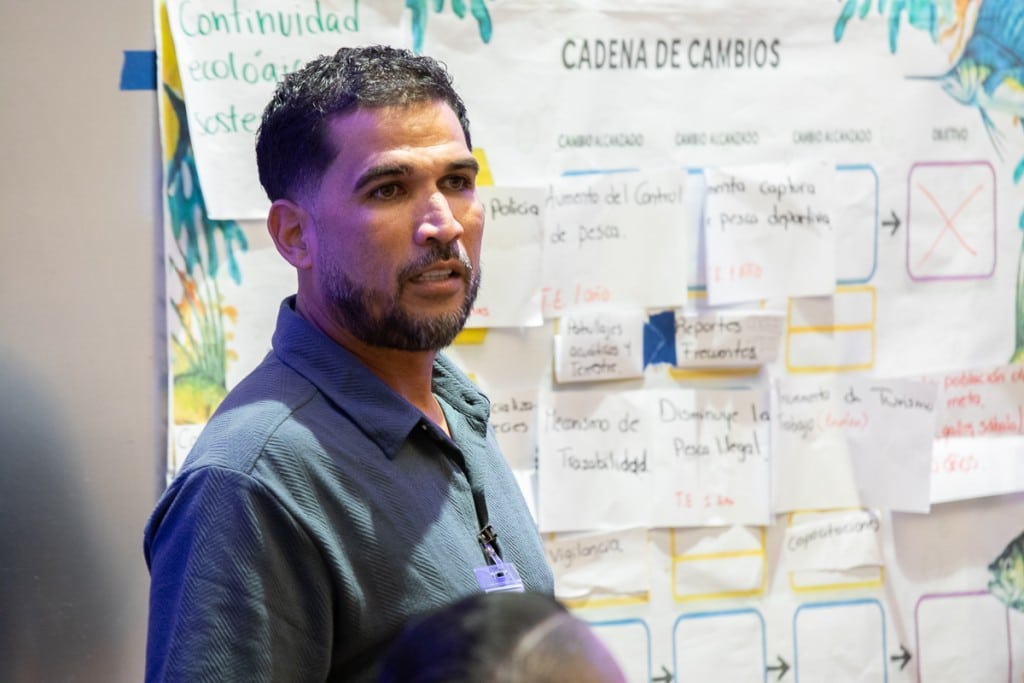
Gathering perspectives from the communities
The process began in December 2024 when FECOP announced the launch of its first project in the fishing tourism sector, funded by the Central America Regional Security Initiative (CARSI) of the U.S. Embassy. The “Participatory Fishing Tourism” project, proposed by FECOP, aimed to foster dialogue with organized groups involved in fishing tourism in Costa Rica and with regional partners in Central America to identify the sector’s challenges and propose improvements from within the sector itself.
“There are physical clusters of activity, but the sector is very disorganized and poorly coordinated,” says Henry Marín, FECOP’s project director, explaining that in recent years, FECOP has invested significant effort in building relationships with the small organizations and communities that drive the sector.
FECOP hired an independent consulting team to conduct interviews and focus groups to identify the concerns and goals of people in the sector in communities throughout the country.
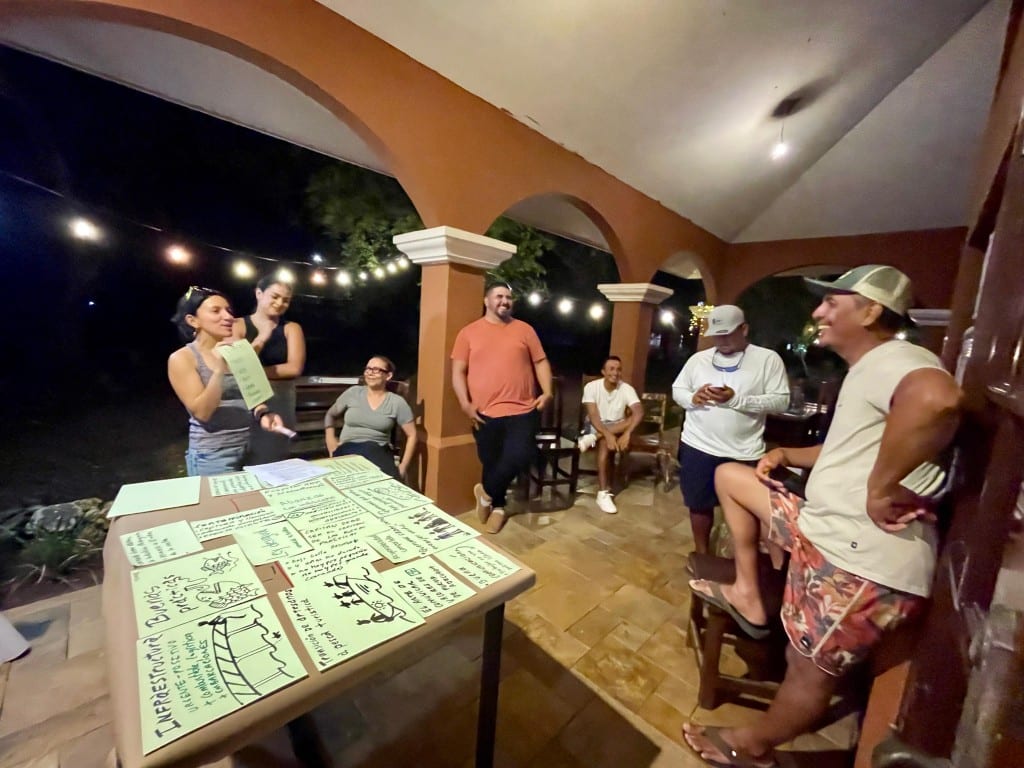
Marbely López, who has worked for 14 years at Marina Pez Vela in Quepos as a concierge and fishing tournament assistant, says that although it’s usually difficult to coordinate schedules and motivate people to attend these kinds of meetings, the people who did participate had shared interests and concerns that led them to come together.
“Getting people together is always a bit complicated. Everyone works. However, sport fishing is an issue that involves the entire sector, and people are interested… in achieving a common good,” she says. “It’s not just a socioeconomic issue, but also a generational one. If we don’t take care of Costa Rica’s waters, our children won’t have clean seas, they won’t have fish… they won’t have fishing in the future.”
The focus groups identified shared concerns, including marine resource management, fisheries regulation, and the inclusion of women in the sector. But something else was also achieved, says Henry: “bringing together these people with such different lives and backgrounds.”
“This hadn’t happened before,” he says. “We’re bringing together various parts of the sector in spaces for dialogue: people from marinas, shops, the Caribbean, kayak fishing. These people, these groups, had never before sat down to discuss their ideas… In all these spaces and conversations, we’re creating a network.”
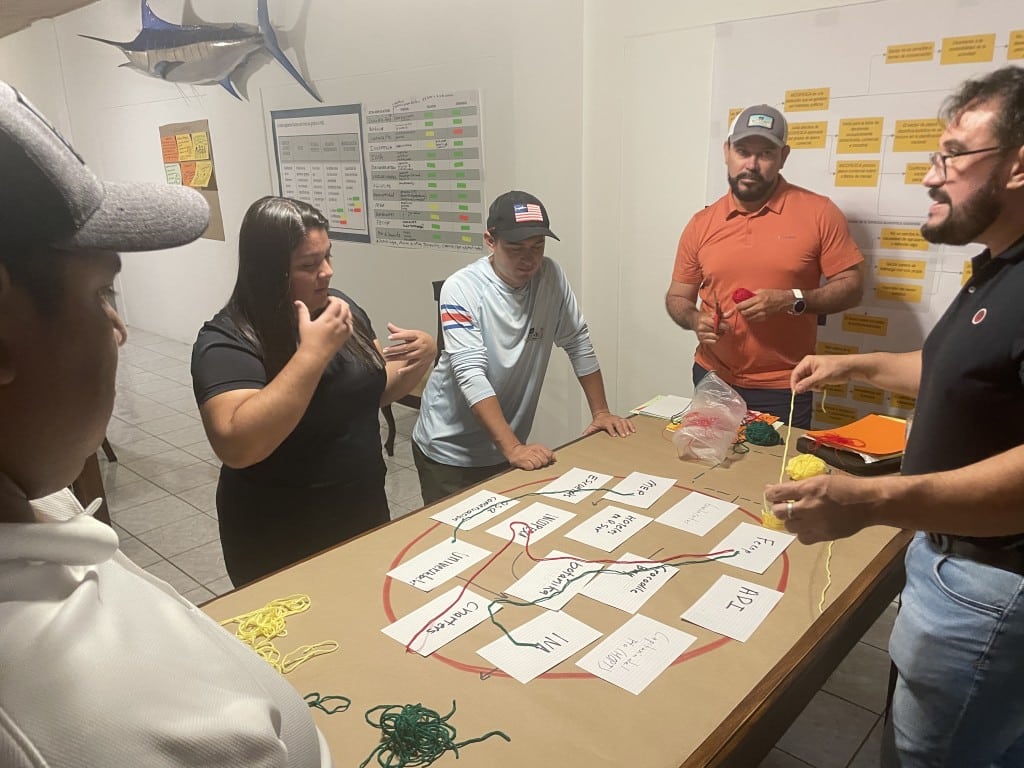
Creating a plan for the future
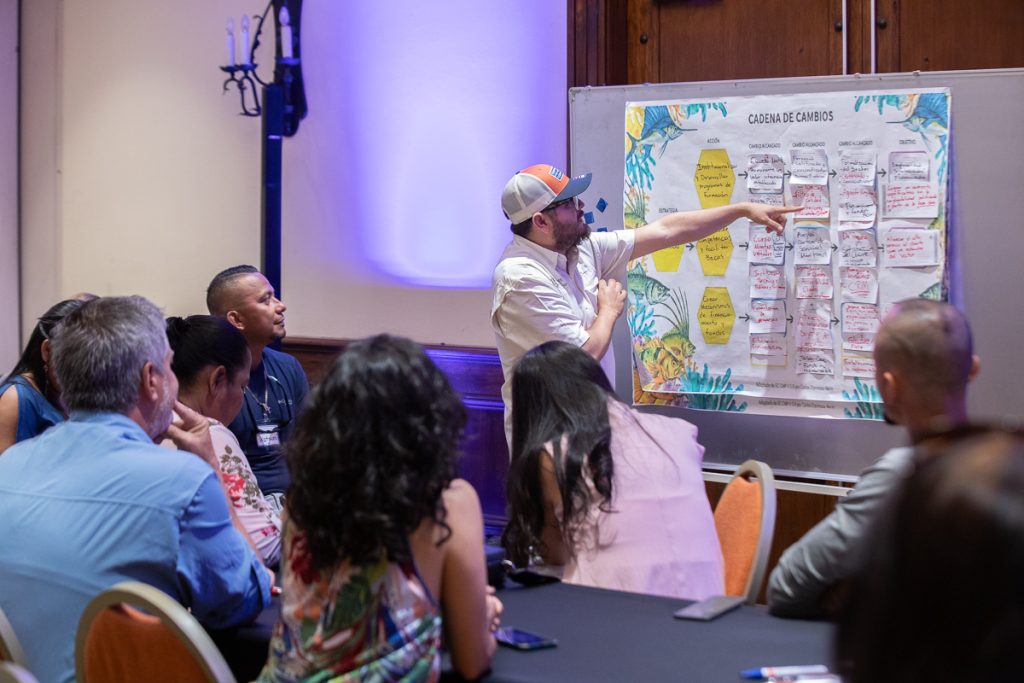
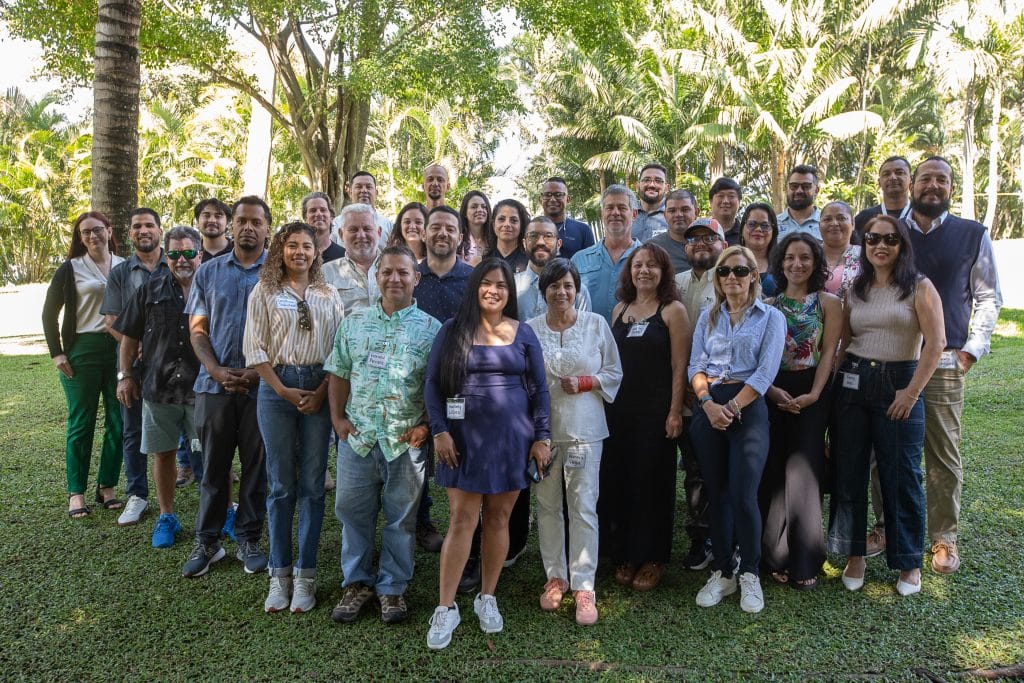
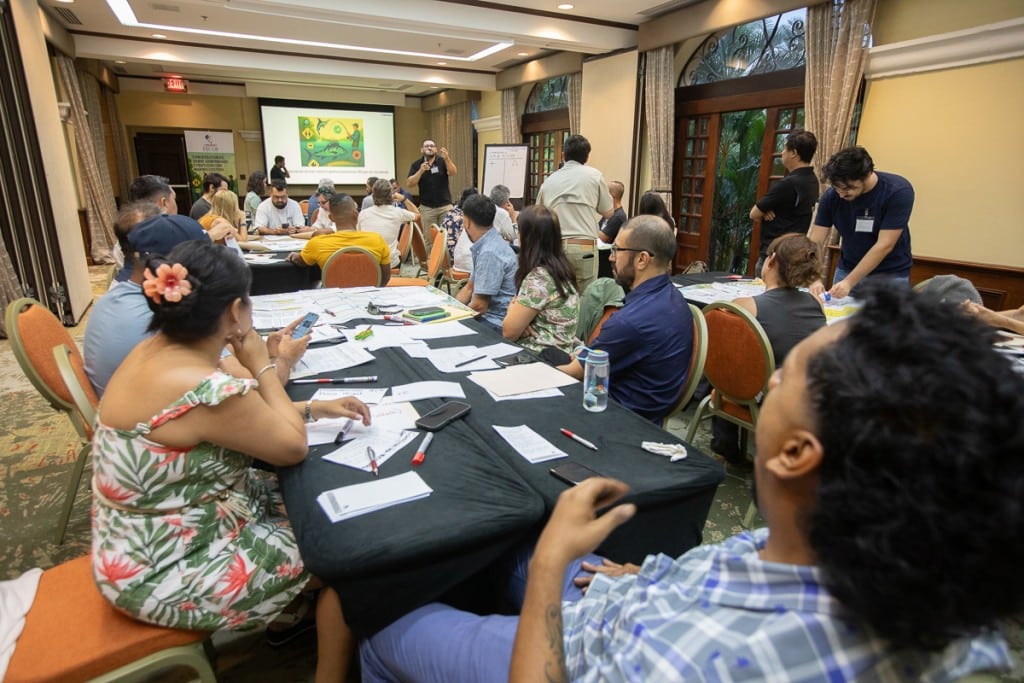
At the end of 2025, representatives from each of the 10 focus groups met in Belén de Heredia. Together, they reviewed the input gathered by the project and develop a final version of the roadmap. Through team-building activities and informal discussions, the group focused its efforts on the central theme of the meeting: analyzing and prioritizing the main concerns, needs, and opportunities previously identified by the various focus groups.
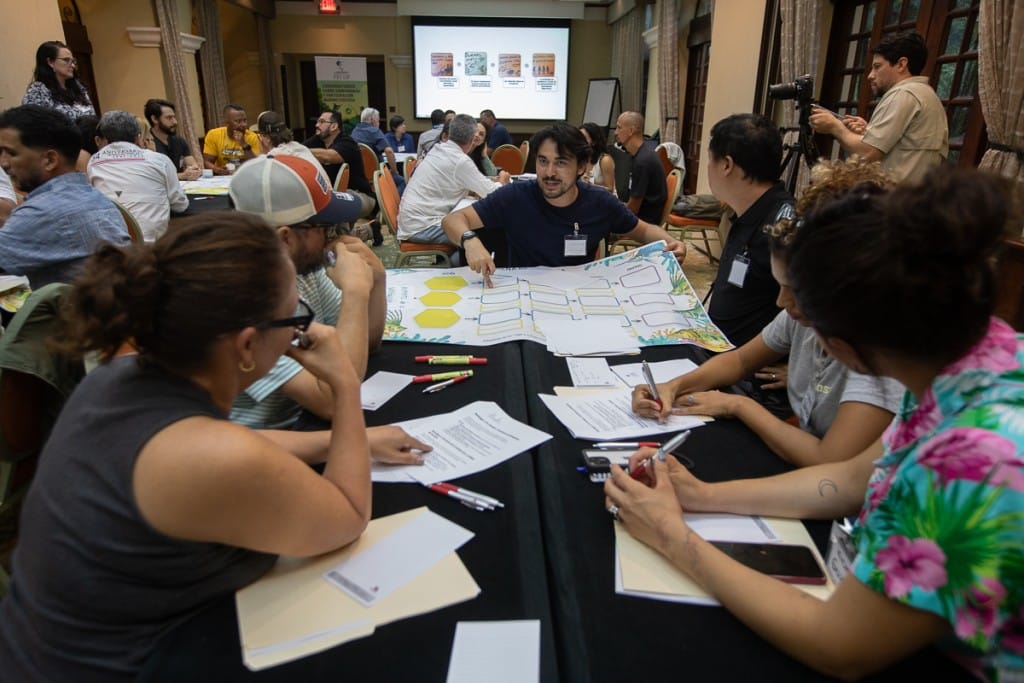
The concerns raised were diverse and reflected the multiple challenges facing the sector. One of these is the deterioration of fishery resources, associated with factors such as institutional conflicts; illegal, unreported, and unregulated (IUU) fishing; regulatory gaps, pollution; and degradation of marine habitats. Likewise, the project identified significant weaknesses in human resource development, including a lack of formal training, limited knowledge of best practices, gender gaps, and weak generational renewal due to the low participation of young people in the industry. This situation has also generated a strong dependence on veteran leaders within the sector.
“We exchanged knowledge and saw that the situation I experience in Barra del Colorado is different from what is experienced in Parismina, in Guanacaste,” says María Carrillo. “Now I carry all these faces etched in my mind.”
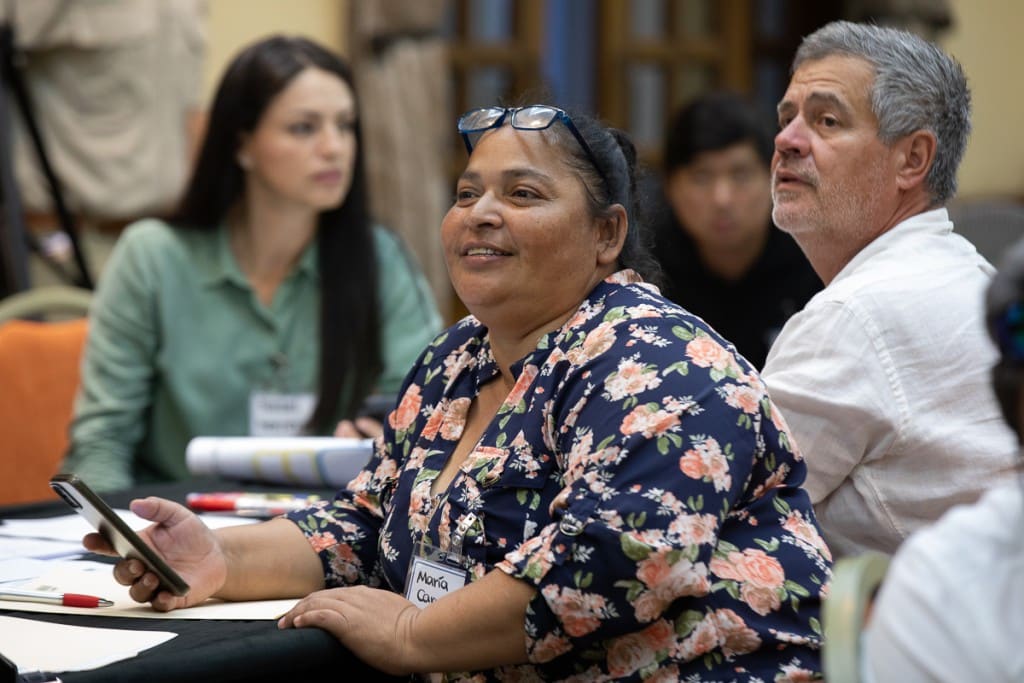
José Moya expresses his motivation for being here and for remaining involved in the future.
“I want to see Costa Rica, the seas, back in Golfito, as they were 20 years ago. I want my children and grandchildren to be able to see [that abundance of fish] we saw 20 years ago,” he says, going on to mention structures and mechanisms that exist in other parts of the world—the U.S. Fish and Wildlife Service and the traceability systems they have implemented in Guatemala. “Why not dream?”
According to FECOP, the Roadmap is already helping to structure conversations between the sport and tourism fishing communities and the people who now represent them in the Executive Branch and the Legislative Assembly.
“The next step is to turn this Roadmap into concrete actions,” says Damián Martínez. “The sector has already done the work of organizing, engaging in dialogue, and defining priorities; now we need political will, institutional coordination, and support to implement solutions. The urgency is real, because many coastal communities depend directly on this activity for their livelihood.”
__________________________
This report is part of a five-part series created by El Colectivo 506 as part of the consulting team for the “Participatory Tourism Fishing” project, developed by the Costa Rican Fishing Federation (FECOP) with support from the Embassy of the United States of America in Costa Rica. To learn more about the communities that live and practice sport and tourism fishing in our country, visit: https://es.fishcostarica.org/comunidades
Authors

Related Articles
The fishing life in Tárcoles, amidst nets and tourists
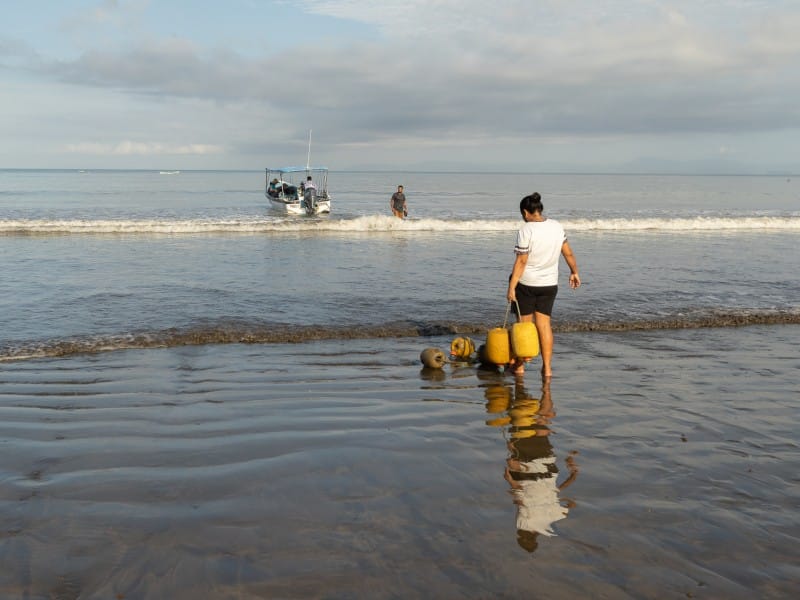
Families in Tárcoles, on Costa Rica’s Central Pacific coast, have relied on small scale fishing for years—but this way of life is increasingly precarious. An alternative, fishing tours, has brought new opportunities.
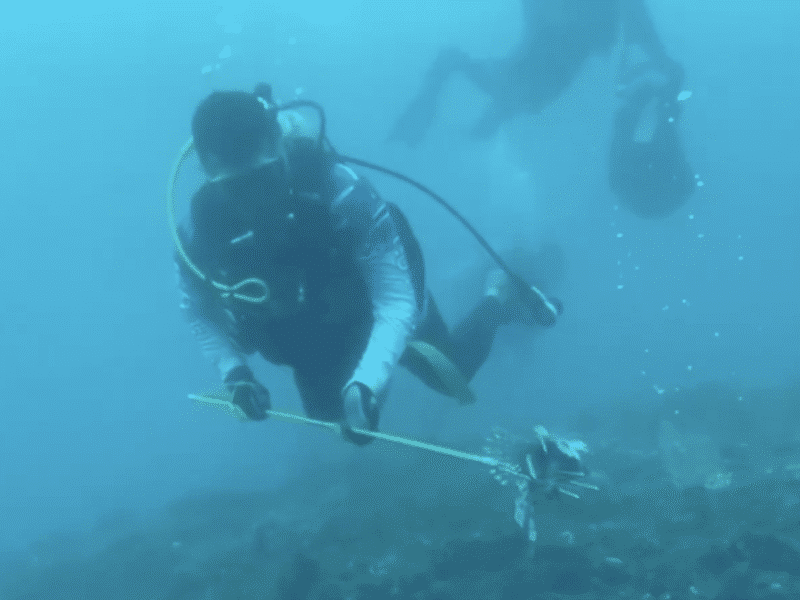
Threat and opportunity: the lionfish in the Southern Caribbean Coast
The lionfish is an invasive species that is damaging the coral reefs along Costa Rica’s southern Caribbean coast. Local fishermen hold lionfish fishing tournaments to try to reduce the population.
The multifaceted world of sport and tourist fishing in Costa Rica’s Central and Southern Pacific
Tourism initiatives centered on sport fishing require much more than a healthy ocean. It depends on trained personnel both on and off the water who can meet ever client’s needs. In Costa Rica’s Central and Southern Pacific, this is what’s being promoted and protected.