
Unity is strength: fishing in the North Pacific
The fishing community of Costa Rica’s North Pacific comes together to care for the sea, the coasts, their families, and their communities. This effort wears various hats, but everyone’s working towards the same goal.
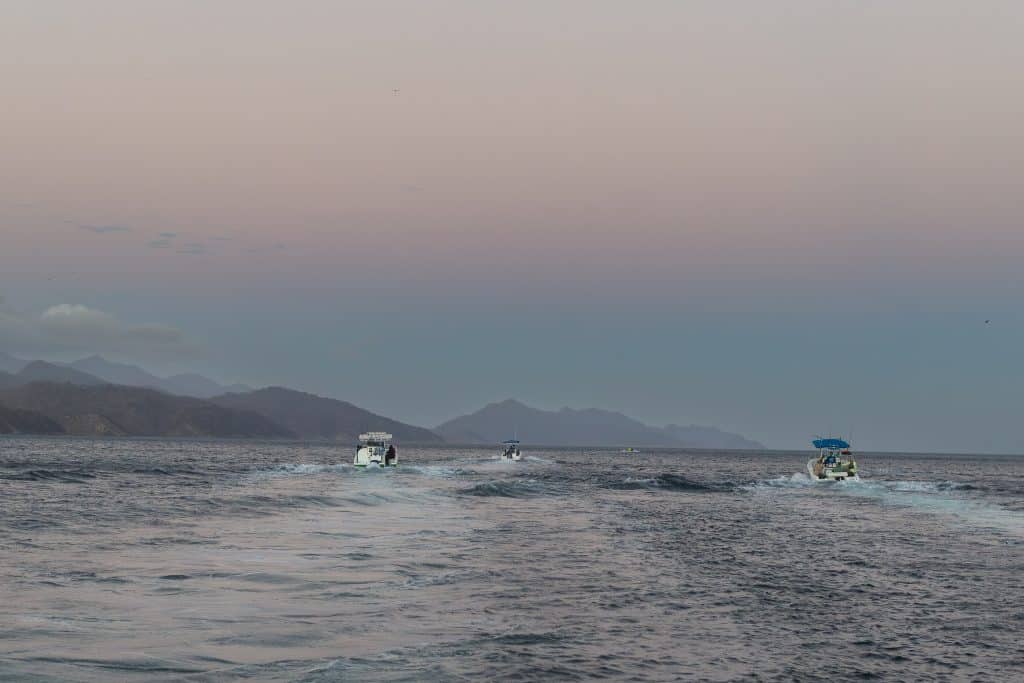
Martín Contreras, president of the Guanacaste Chamber of Fishing, knows very well how important it is to connect with all kinds of organizations and people. The chamber he leads includes not only longline fishers from Costa Rica’s North Pacific, but also artisanal fishers, tourism fishers, and even shellfish harvesters. And why does the chamber work toward this unification?
“I told the board and the leaders: maneuvering here isn’t easy,” Martín said in recent conversations with FECOP. “If your boat moves too far this way, it collides with an artisanal fisher; you go with the longliner, the longline collides with the tourist fisher, who collides with the other one. So the Chamber tries to maintain that balance.”
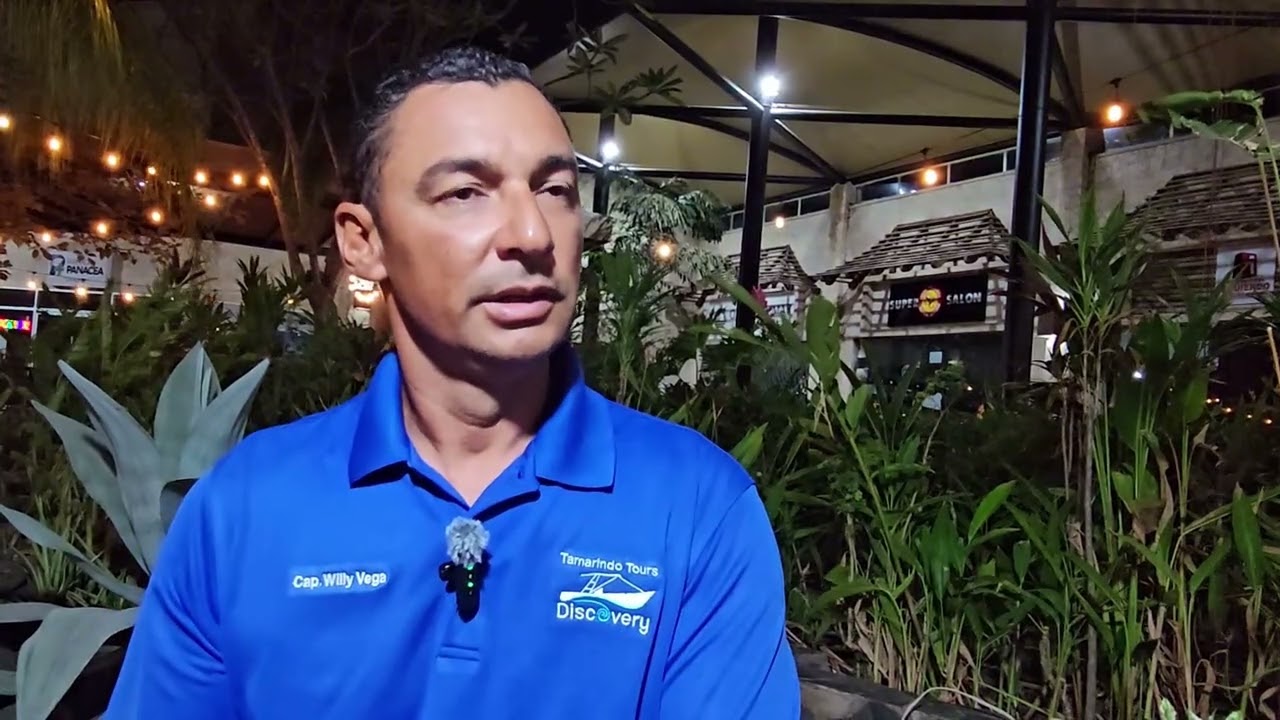
This interview with Willy Vega, representative of the Guanacaste Chamber of Fishing, gathers reflections on the growth and strengthening of sport fishing tourism in Costa Rica, addressing topics related to regulation, sustainability, service quality, and professionalization of the sector. Aurora Camacho and Allan Barboza / Courtesy of FECOP
This chamber is a clear example of the wide variety of stakeholders interacting along the coasts and in the ocean of the North Pacific region, as they do throughout Costa Rica. What happens in these territories affects the diverse members of the chamber that Martín leads, but it also involves non-members who interact with fishing. These include tour operators, whether associated with marinas or working independently; former fishers; families of fishers; and the tourists who not only stroll along the coasts but also enjoy the bounty of the sea.
The Chamber is also an example of how collaboration can have a significant impact on the coastal communities of Guanacaste and the country as a whole.
Another space that brings together stakeholders from this diverse sector of fishing tourism is the Santa Elena Marine Citizen Science (CC-MAR) project, developed in La Cruz, Guanacaste, which promotes initiatives related to the country’s North Pacific region.
The CC-MAR emerged from the consensus and collaborative work of many stakeholders connected to the sea in the Cuajiniquil area, on the northern coast of Guanacaste, including local tour operators, fishing shops, souvenir businesses, universities, and NGOs. This process, in turn, has strengthened existing organizations in the area and the way they interact: Asojunquillal, the La Cruz Chamber of Tourism Businesses, the Cuajiniquil Association of Marine Tour Operators, the Equipo Tora Carey organization, a women’s food service cooperative (Coopeemprendedoras), and the faculty and student community of the University of Costa Rica.
The CC-MAR has also worked with government entities such as the Guanacaste Conservation Area (ACG-SINAC), the Costa Rican Institute of Fisheries and Aquaculture (INCOPESCA), and the National Coast Guard Service.
Although this list of stakeholders demonstrates that organization and action have existed in this area of the North Pacific, initiatives such as CCMAR have fostered new alliances to promote conservation and collaboration.
And why are so many people and organizations in La Cruz joining this effort? To promote citizen science activities focused on the scientific monitoring of species like snapper, through scientific fishing trips that incorporate catch-and-release practices.
These collaborative spaces allow participants to share information on marine phenomena such as red tides, as well as reports of sightings of species such as whales and sharks. At the same time, they foster environmental awareness and strengthen ties between academia and local communities.
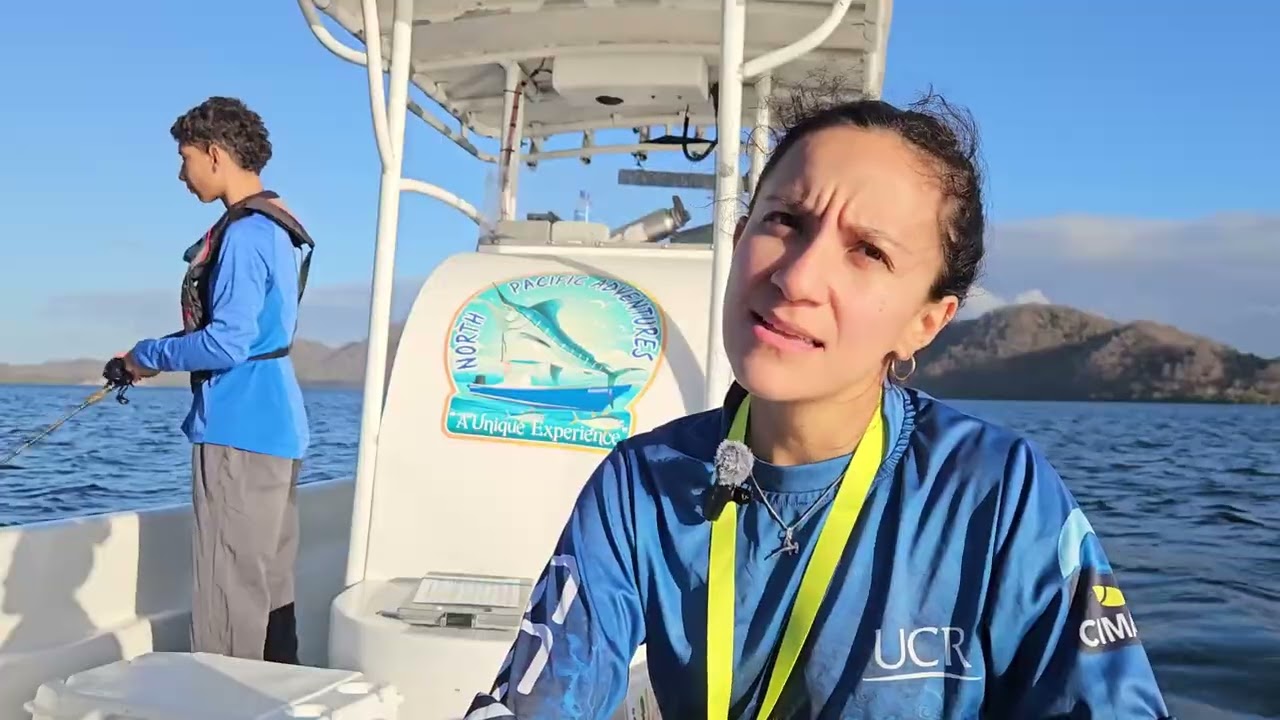
This video explores the relationship between sport fishing, monitoring, and conservation of marine species in the North Pacific of Costa Rica. Drawing on citizen science experiences and fieldwork, it highlights the value of combining local knowledge, scientific knowledge, and marine conservation. Participants include Leticia Salas (Casa del Viento) and Lucía Vargas (CCMAR Santa Elena). Aurora Camacho and Allan Barboza/Courtesy of FECOP
All these groups of organizations and individuals working together toward common goals seek responsible fishing practices that benefit the greatest number of people in Guanacaste’s coastal communities.
“Today, the trend is green, caring for the environment,” Martín Contreras tells FECOP. “We are fishers. We are masters of the sea. We know that if we don’t take care of the resource, it will overwhelm us. We have to see it as an opportunity. Otherwise, we’ll be left behind.”
__________________________
Este reportaje es parte de una serie de cinco reportajes creados por el equipo consultor del proyecto “Pesca Turística Participativa” desarrollado por la Federación Costarricense de Pesca (FECOP), con el apoyo de la Embajada de los Estados Unidos de América en Costa Rica. Para conocer más sobre las comunidades que viven y practican la pesca deportiva y turística en nuestro país visite: https://es.fishcostarica.org/comunidades
Authors

Related Articles
The fishing life in Tárcoles, amidst nets and tourists
Families in Tárcoles, on Costa Rica’s Central Pacific coast, have relied on small scale fishing for years—but this way of life is increasingly precarious. An alternative, fishing tours, has brought new opportunities.
Threat and opportunity: the lionfish in the Southern Caribbean Coast
The lionfish is an invasive species that is damaging the coral reefs along Costa Rica’s southern Caribbean coast. Local fishermen hold lionfish fishing tournaments to try to reduce the population.
The multifaceted world of sport and tourist fishing in Costa Rica’s Central and Southern Pacific
Tourism initiatives centered on sport fishing require much more than a healthy ocean. It depends on trained personnel both on and off the water who can meet ever client’s needs. In Costa Rica’s Central and Southern Pacific, this is what’s being promoted and protected.