‘What happens to one of us, happens to all of us’—a conversation with Epsy Campbell Barr
The series with leaders from all walks of life focuses not on current events or newsworthy solutions, but on something very concrete. How do these people maintain hope in the face of difficult headlines? This month: former Costa Rican Vice President Epsy Campbell.
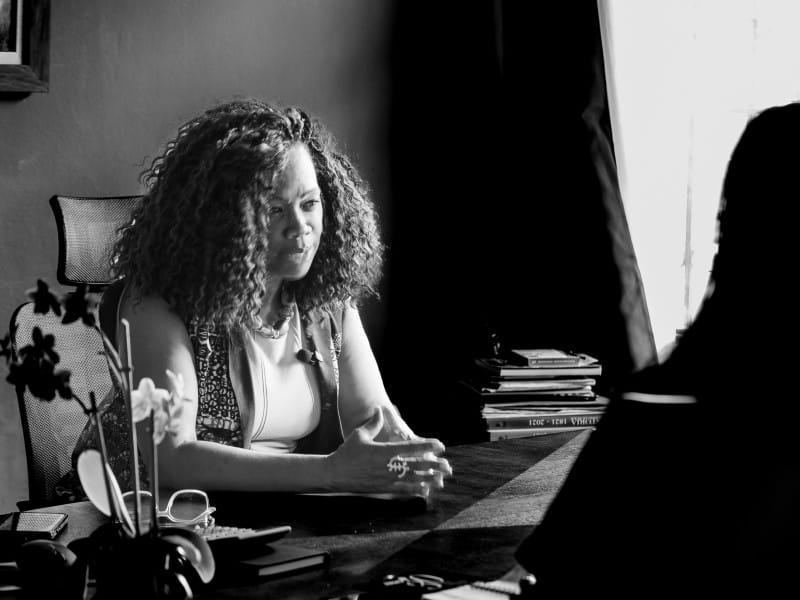
“It reminds me of childbirth,” says Epsy Campbell Barr. “The greater the pain, the closer you are to the moment of birth. How close is it? I don’t know, but never before have I seen so much support for women working in some of the most challenging places on Earth.”
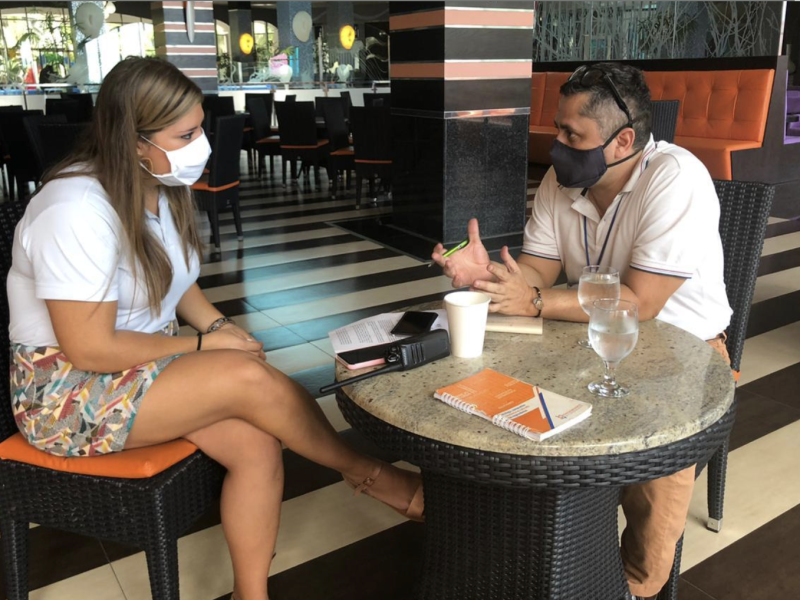
We arrived at the Centro de Mujeres Afro in Moravia, San Jose, to talk with the activist who, in 2018, became the first Afro-descendant vice president in the history of the Americas. Epsy was the first interviewee in our “Recharge VIP” series, available exclusively for the donors who sustain our women-powered, community-based solutions newsroom. Here, we’ll publish a few excerpts—but join our donor community to keep our newsroom going, and you’ll receive full access to past VIP interviews.
The series with leaders from all walks of life focuses not on current events or newsworthy solutions, but on something very concrete. How do these people maintain hope in the face of difficult headlines? What are their tips for maintaining balance and energy to continue generating action?
In Epsy’s sunny office, we traveled to unexpected places and deep reflection—not only about Costa Rica, but about any country facing crisis and polarization.
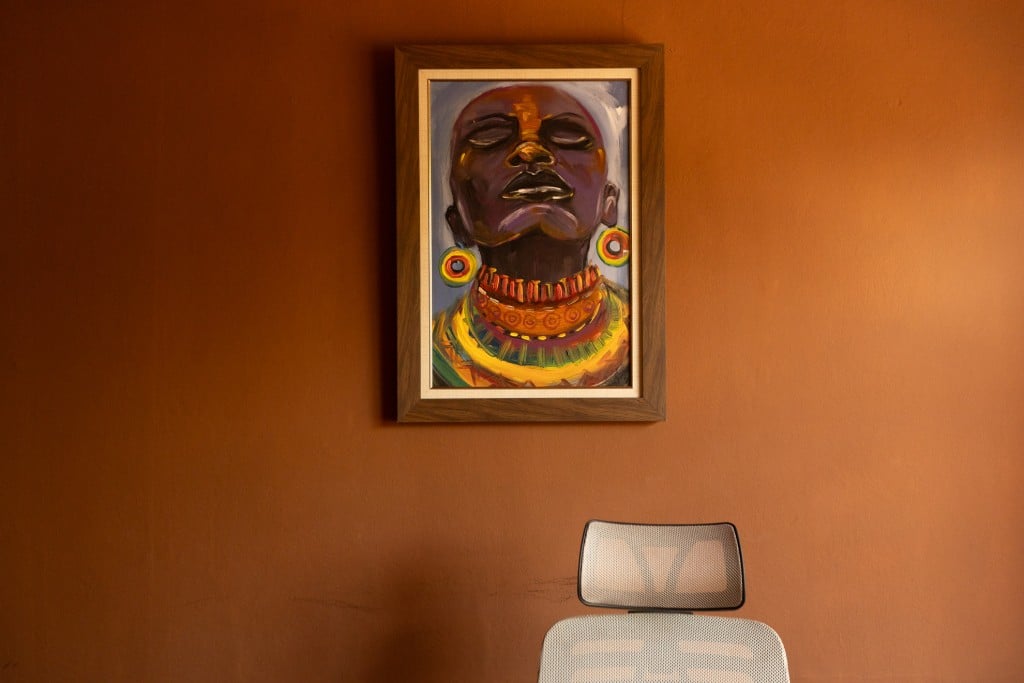
If you had to choose an emoji to summarize your current relationship with the news you consume, what would you choose?
The one with the closed eyes, because reality is enough for me. And I’d choose the surprised emoji. I’m always surprised by what I’m seeing.
What’s your current news routine?
I hardly follow the news on traditional media in Costa Rica. The few times I’ve tried to go back to watching national news, after the first 15 minutes I remember why I wasn’t watching it in the first place. I think having too much information about human suffering immobilizes you. You don’t need to be connected to an IV so you know how many people were murdered last night.
When it comes to women’s rights, what is your assessment of where we are now? The last time I had the opportunity to sit down with you was just after you were elected vice president. I ‘d say we are in a very different context now, but how do you see it?
It certainly seems like there’s a lot of backlash. We’re in a period of regression.
However, I was present at the birth [of my eldest daughter]. And reality reminds me of childbirth. The progress we have made over the last few decades has definitely created a moment that seems like a setback, but it’s more like a contraction. Contractions are when you feel the most pain, right? And the more pain there is, the more the body is dilating. I feel that the progress we’ve made on women’s rights has made it literally impossible for us to go back to the past, even though we might occasionally feel like there’s been a setback.
It is normal for sectors that have lost ground to react with all their strength. No process of profound change has occurred without resistance.
Under the current regime [in Costa Rica]—well, I don’t know if it’s a regime, but in this political situation we’re experiencing—how many rights could we really lose? We can’t go back completely. But we could if we don’t look with compassion on those who need it most, those we forget every day because of the comfort we enjoy.
We can regress if we decide that what matters to us is that this small group will be safe. If we don’t understand that we live in a large tribe and that what happens to others matters to us. The middle classes [can sometimes be] incredibly insensitive to the poorest people in Costa Rica. That wasn’t invented by the current government or anyone else. That’s a fact.
It’s true that Puntarenas is being neglected, as are parts of Guanacaste, Limón, and the low-income urban areas here [in San José]. It’s true that the prisons are getting more and more crowded. It’s true that there are a lot of boys and girls who, from the age of 12 or 13, find that the only way they can think about a life with some resources is through someone offering them a place in an illegal business.
What happens to one of us, happens to all of us—and if we fail to understand that, that is where we truly lose everything, because we lose our humanity. When you lose your humanity, you’ve already lost everything. When you become indifferent and believe the ends justify the means. And when you don’t think from the bottom up, but rather from the perspective the next rung you need to grab for yourself.
Sometimes people applaud when people who have no hope are arrested, and they are taken to jail. Or people get angry because those people vote in a way that seems irrational to us, but we never saw their faces when we had the opportunity to put them first.
That’s something we need to keep in mind. Not the most conservative people, who have little conscience—but those who are supposedly progressive and have a conscience, but are afraid of the barrio, the local neighborhood. Afraid of the quality of their schools, and they’re thinking about how to accumulate more. In this country, there are plenty of those affluent, progressive middle classes who think, “How can people be so stupid as to vote for X, Y, or Z?”
There is a window of opportunity when there is a crisis as big as the one we have. The question is how many people are willing to do it. The reality is that there were advances that broke the structure of social organization and that they are trying to patch it up with Krazy Glue.
We must keep walking. Sometimes you have to cry, but keep walking. The wind dries your tears, says an African proverb.
How would you respond to someone who says, “Well, I think I’m open, I want to understand more, but what I don’t want is to talk to people who support ex-President Rodrigo Chaves and President Laura Fernández?”
I think you have to make an effort to be humble. To understand what is happening with people who are thinking and supporting things that are not what you think.

Author