Beyond journalism
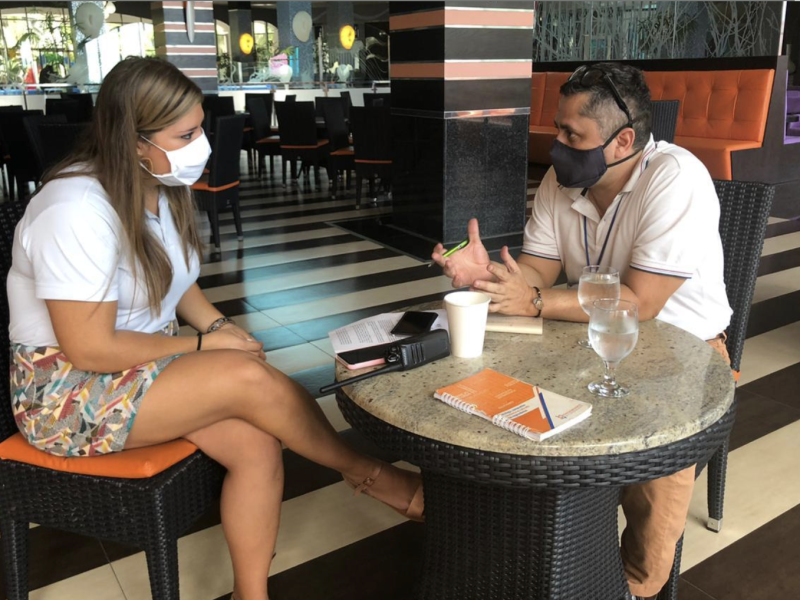
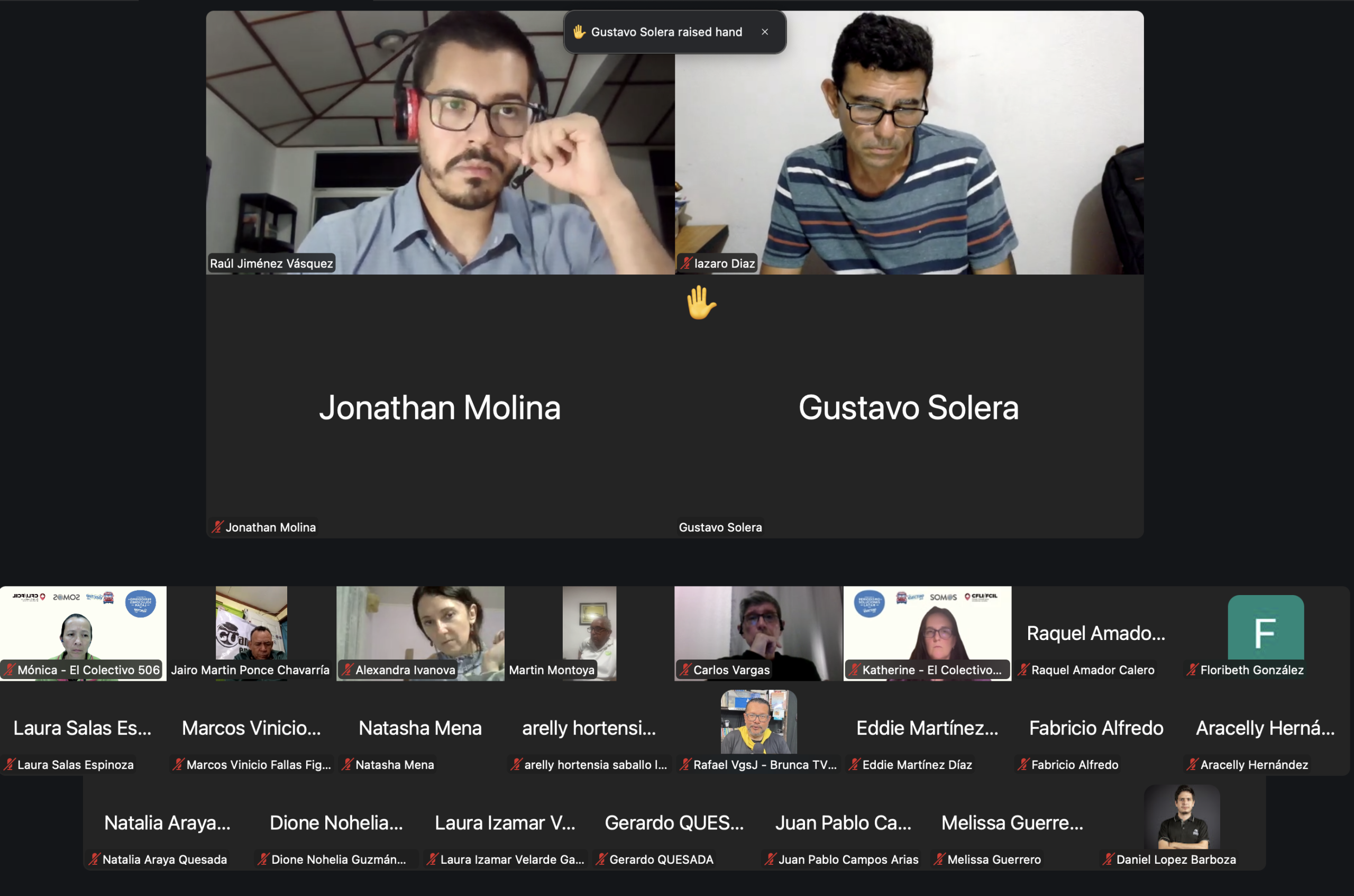
I recently participated in a series of workshops given by the team of El Colectivo 506, a training experience aimed at building journalism with purpose—a vision that invites us to rethink the profession beyond the daily urgency of the news and the incessant cycle of the news agenda.
I’ve been involved in this profession for almost 30 years, and there are principles I consider non-negotiable, such as ethics, truthfulness, impartiality, and social responsibility. These are pillars that everyone working in communications must embrace as professional standards and, especially, as personal convictions. In times of information overload, misinformation, and polarization, these values not only remain relevant but become even more essential.
I’ve built my career on these principles, long convinced that a journalist’s primary obligation is to inform. To present the facts as they are, raw and unvarnished, allowing the reader to draw their own conclusions. That conviction has not changed. However, the workshop allowed me to understand that there is more to it than simply transmitting data. Informing is essential, but sometimes it may not be enough.
What we experienced during that week was an invitation to professional introspection, to question routines, and to observe the real impact that journalism has on communities.
I remember that at the beginning of my journalism training, my father—who was also one of my mentors—used to tell me, “If you can’t find at least one news story on a simple morning walk, you’re not worthy of being a journalist.” He was right. There’s always a story, even within the news itself. That lesson still holds true. I understand that journalism doesn’t end with uncovering the facts; it begins there.
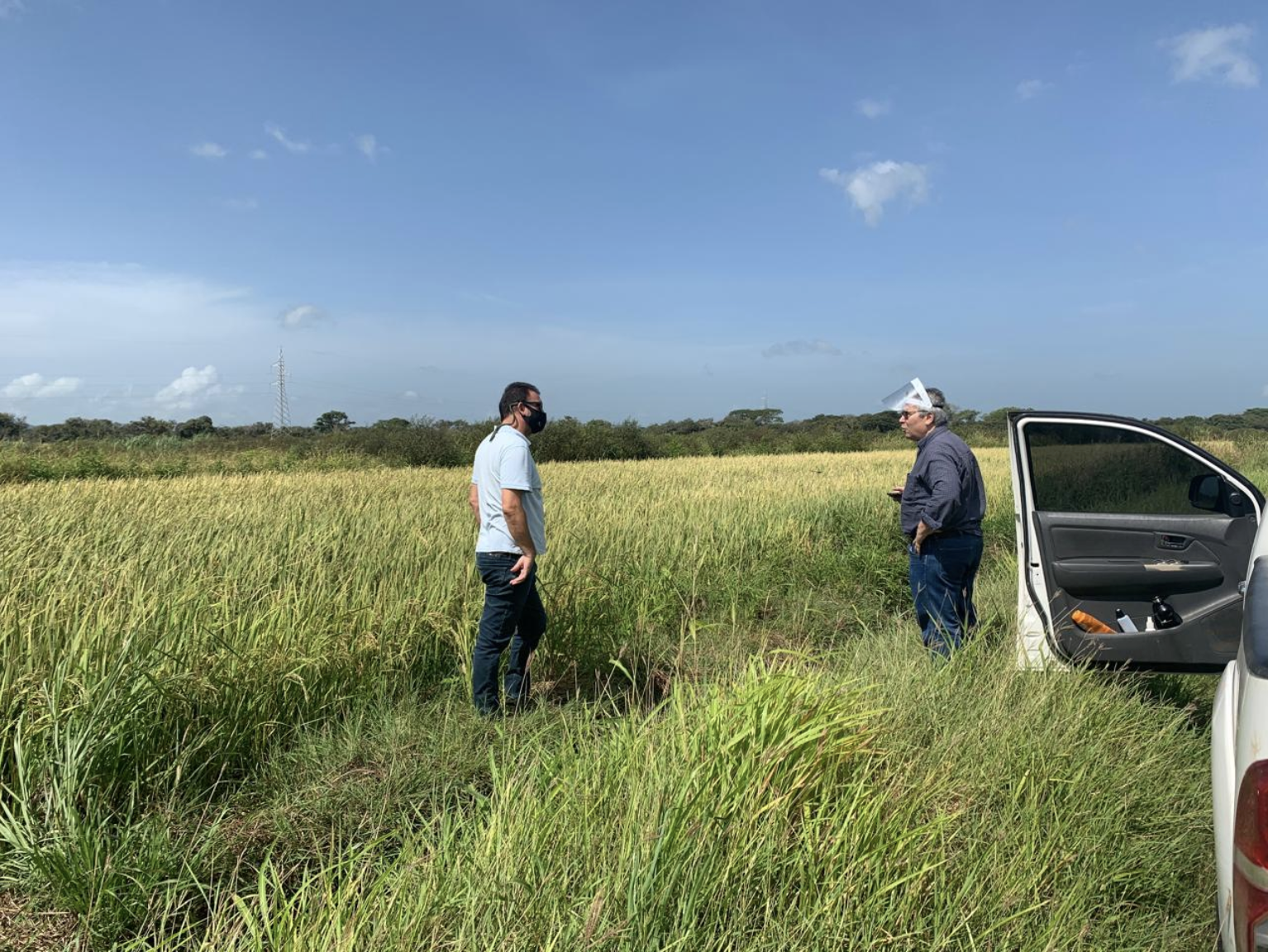
The biggest lesson I learned was understanding that there’s a human dimension that’s often overlooked. Reporting involves narrating what happens and understanding who it affects, why it matters, and how it can contribute to improving reality. The purpose lies in the impact of the news, but also in who tells it and how they tell it.
This is especially evident in places such as Guanacaste and Puntarenas—rich in culture, identity, and natural resources, yet marked by profound inequalities and social tensions. There, communities grapple with highly polarizing issues such as access to and management of water, tourism development versus environmental conservation, job insecurity, migration, crime, and a lack of opportunities for young people. These are complex realities that are difficult to explain with quick headlines or simplistic approaches.
The workshops confirmed for me that there are people deeply committed to the profession, communicators who, without fanfare or the limelight, get up every day to report on what happens in coastal cantons, rural areas, and historically marginalized neighborhoods. This local journalism, often produced with limited resources, is key to understanding the country beyond the Central Valley.
I also came to understand that, as journalists and communicators, we have a responsibility to offer content that not only informs but also builds up. It’s not about sugarcoating reality or falling into naive optimism, but about seeking perspectives that provide context, highlight possible solutions, and showcase community experiences that—even in the face of adversity—generate real change.
In regions such as Guanacaste and Puntarenas, purposeful journalism means listening to communities, understanding their rhythms, and respecting their voices. It also means avoiding the temptation to cover these territories solely from the perspective of conflict or tragedy, and daring to narrate processes, resistance, and proposals that often remain outside the national media spotlight.
Sticking to a straightforward, fact-based style of journalism is correct and necessary, but it is insufficient in times when audiences demand understanding, analysis, and guidance. The challenge lies in incorporating analytical, human, and proactive elements without sacrificing journalistic rigor.
Beyond traditional journalism, there is a kind of journalism that connects, contextualizes, questions, and accompanies. It’s a journalism that doesn’t shy away from uncomfortable topics or social tensions, but also doesn’t shy away from the possibility of shedding light amidst the noise. That is journalism with purpose—one that informs, yes, but also leaves a mark, especially in the communities that most need to be heard.
Author