When passion is a school for life: fishing clubs in Costa Rica
Fishing, like many water activities, is a space for building community, making friends, experiencing adventures, and creating memories. Fishing clubs in Costa Rica are a testament to this.
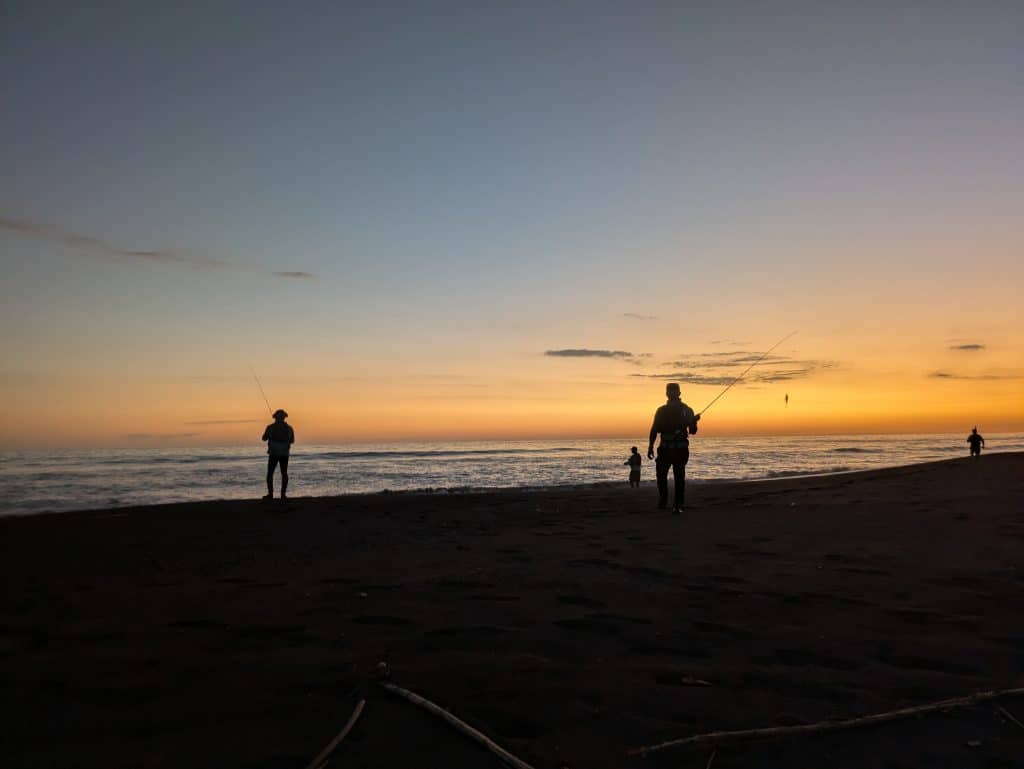
“When I joined the club, I didn’t even know what fish were. I didn’t know what a corvina was, what a snook was, what a bobo was, what a guapote was. And that’s where they taught me. The old-timers taught me,” recalls Juan Vicente Naranjo, who served as president of Costa Rica’s National Fishing Club until 2025.
“There are so many stories I’ve experienced in sport fishing since I first joined the National Fishing Club back in 1990,” he says. “I met so many friends, many of whom have passed away. And back then, I was one of the younger members of the club. Today, I’m one of the older members, or perhaps the oldest.”
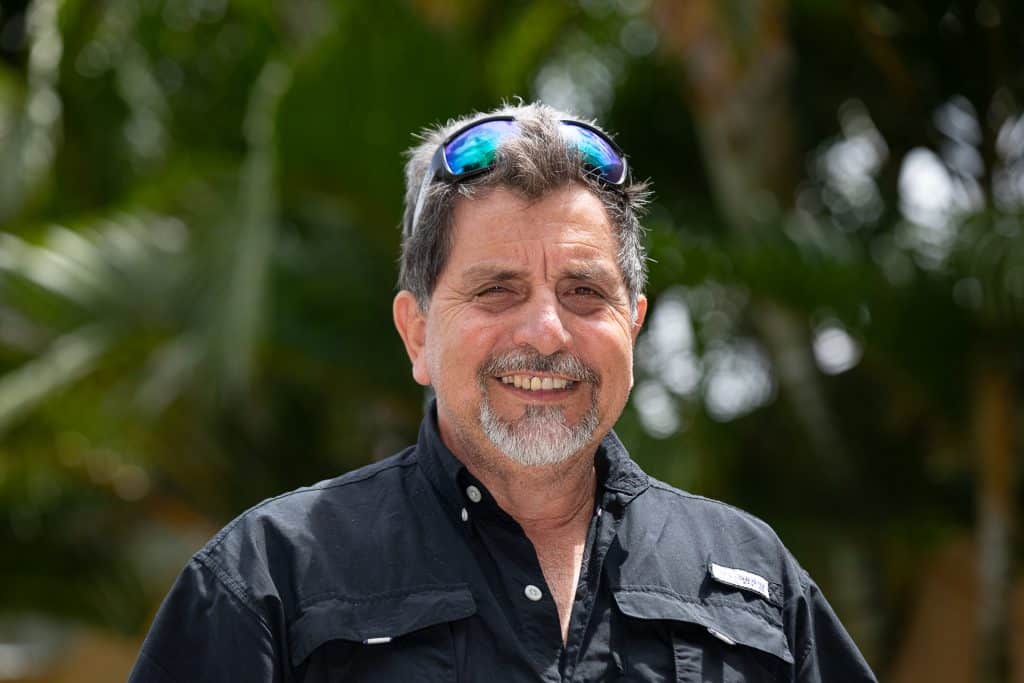
Fanny Carpio is a member of the Amateur Fishing Club.
“What I really like about the Amateur Fishing Club is that we all share a passion for fishing. We share what responsible fishing is all about,” says Fanny. “It’s like a fellowship, and we learn from each other.”
The Amateur Fishing Club (CAP) and the National Fishing Club (CNP) have much more in common than the passion for sport fishing that Juan Vicente and Fanny share. Both represent an activity that can generate more than $500 million in revenue annually for the national economy; in the year 2019, that was more than the coffee industry. Although this sector includes guides, tourism companies, and numerous microenterprises of people who depend economically on the activity, it is also sustained by enthusiasts and community leaders who, without necessarily receiving a direct benefit, contribute to strengthening the sector both nationally and internationally. Furthermore, they play an increasingly important role in the governance of rivers, coasts, and seas, as well as in conservation efforts for these ecosystems.
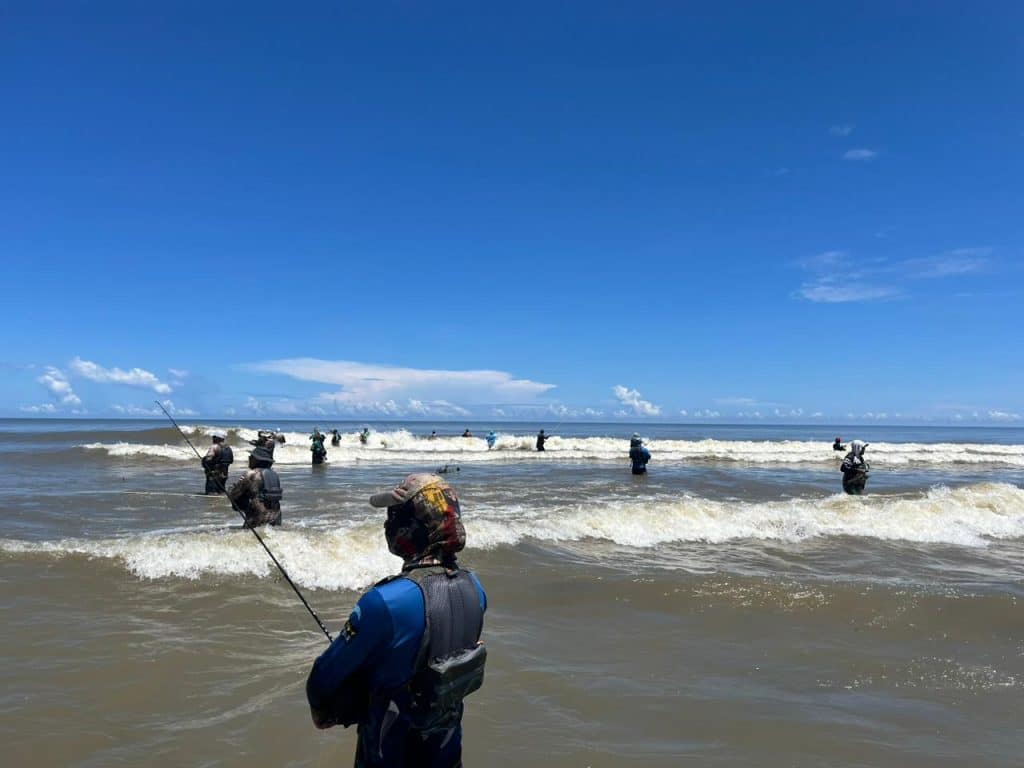
Fishing clubs have been key to organizing this subsector, and CAP and CNP are prime examples. Both were founded in the last century: CAP in 1946, and CNP in 1961. Throughout their history, both organizations have learned that there’s no better way to learn than through friendship, which is why mentoring programs from more experienced members to younger ones have been crucial in both groups.
Both clubs also enjoy competition. CNP organizes a monthly shore fishing tournament on rivers or beaches, while CAP focuses its competitive activities on boat fishing at sea.
Fanny really enjoys participating in the competitions.
“This was a complete success, despite the weather and the rain,” Fanny recalls. “The camaraderie [we feel] waiting for each other’s posts and results. Everything is always done responsibly, with catch and release and the good techniques we’ve been working on.”
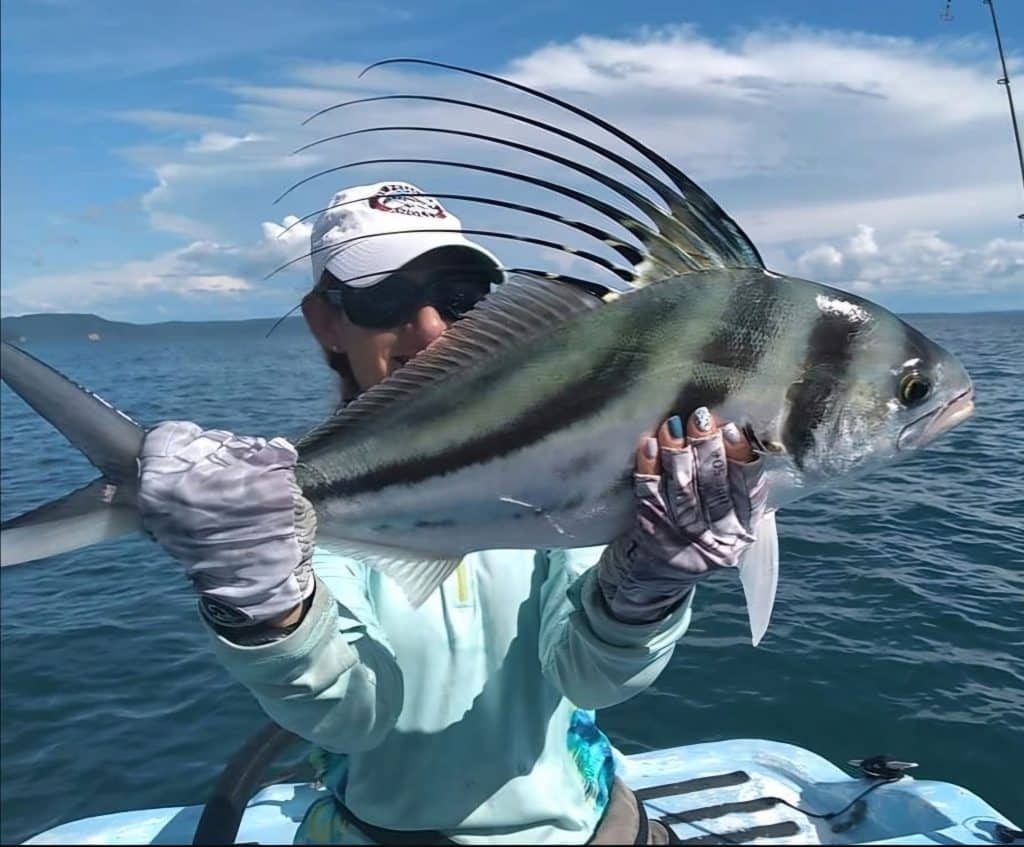
“The adrenaline rush you get at a tournament is something else,” says Juan Vicente. “We get together with a lot of friends and colleagues, and the camaraderie at the club is wonderful. There are individual competitions and team competitions, but it’s all very healthy.”
Juan Vicente says he has “quite a few anecdotes from fishing trips—especially from tournaments, which are the ones you remember most because that’s where the adrenaline is at its peak.” One of his favorite memories was winning a Bobo fishing tournament where he landed the winning fish two minutes before the tournament time ended. However, he insists that this passion is about much more than just that adrenaline rush.
“Fishing isn’t about catching fish. Catching fish or winning is just an added bonus,” he says. “Fishing is about living: living in the moment, experiencing the journey, being on the river, with your teammates, with your friends. That’s what fishing is.”
In these competitions, many things have changed over time. Juan Vicente explains that in the National Fishing Club, “before, fish were killed to be weighed on the scales,” with a limit of 10 fish for river fish and unlimited for sea fish. “Everything has changed. We lowered the limit to five fish, and later, at sea, regulations were also put in place to limit the number of fish killed, until now everything is released.”
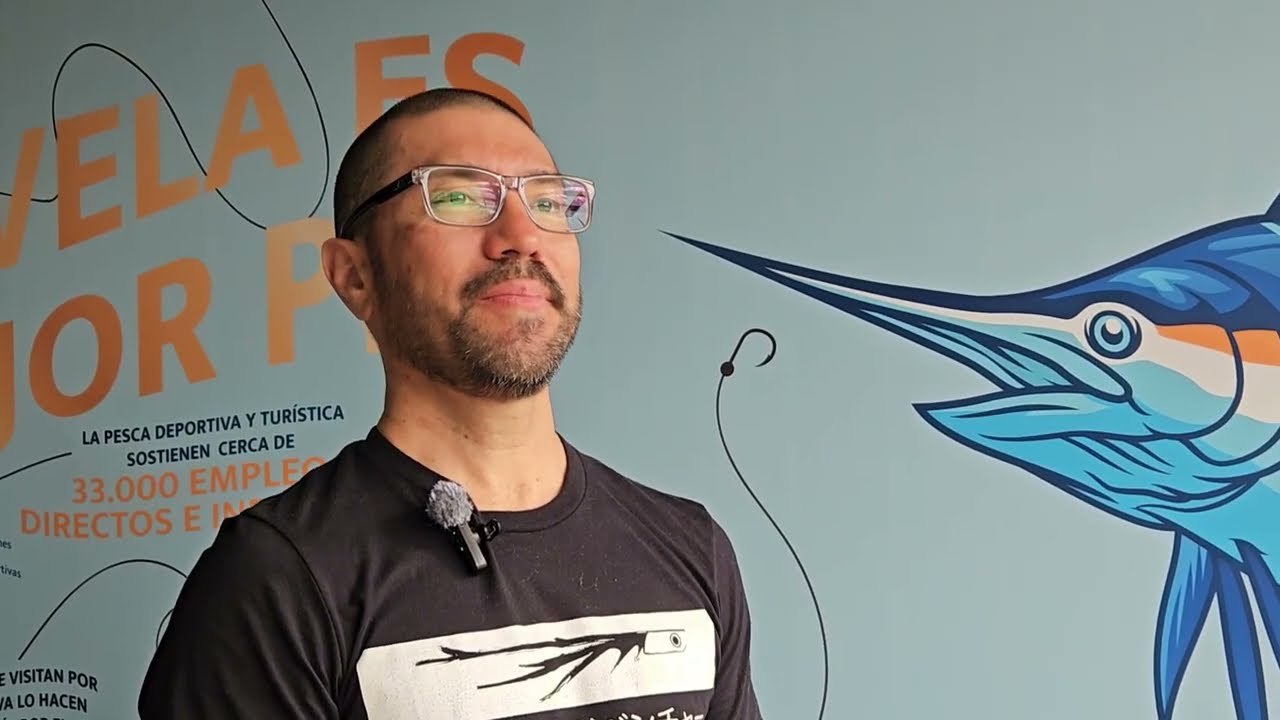
In this way, both clubs now share the practice of catch and release, which in both cases represents a process of training and self-regulation that benefits from the long history of both groups.
“Something I think is very important in the Amateur Fishing Club is how consolidated the group is,” says Fanny. “Many years of experience, many years of commitment to responsible fishing, and very polite, very respectful members.”
__________________________
This report is part of a five-part series created by El Colectivo 506 as part of the consulting team for the “Participatory Tourism Fishing” project, developed by the Costa Rican Fishing Federation (FECOP) with support from the Embassy of the United States of America in Costa Rica. To learn more about the communities that live and practice sport and tourism fishing in our country, visit: https://es.fishcostarica.org/comunidades
Author
Related Articles
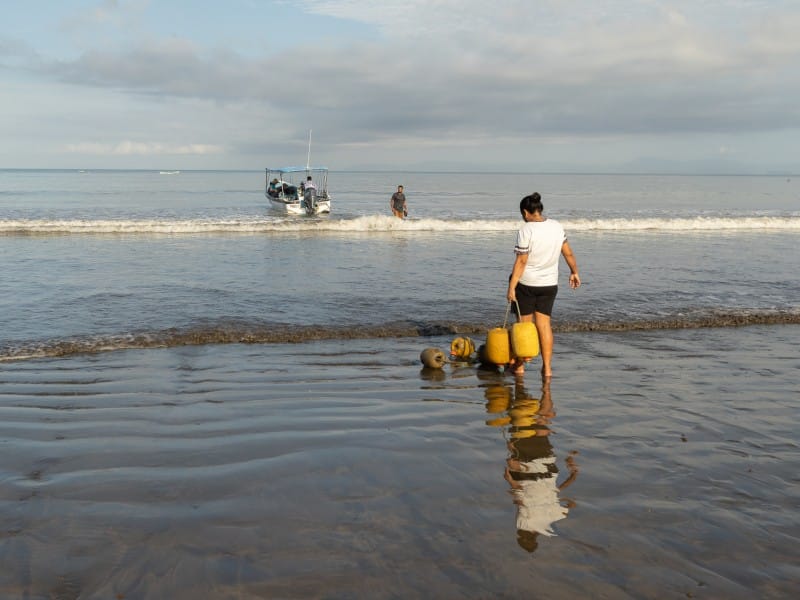
The fishing life in Tárcoles, amidst nets and tourists
Families in Tárcoles, on Costa Rica’s Central Pacific coast, have relied on small scale fishing for years—but this way of life is increasingly precarious. An alternative, fishing tours, has brought new opportunities.
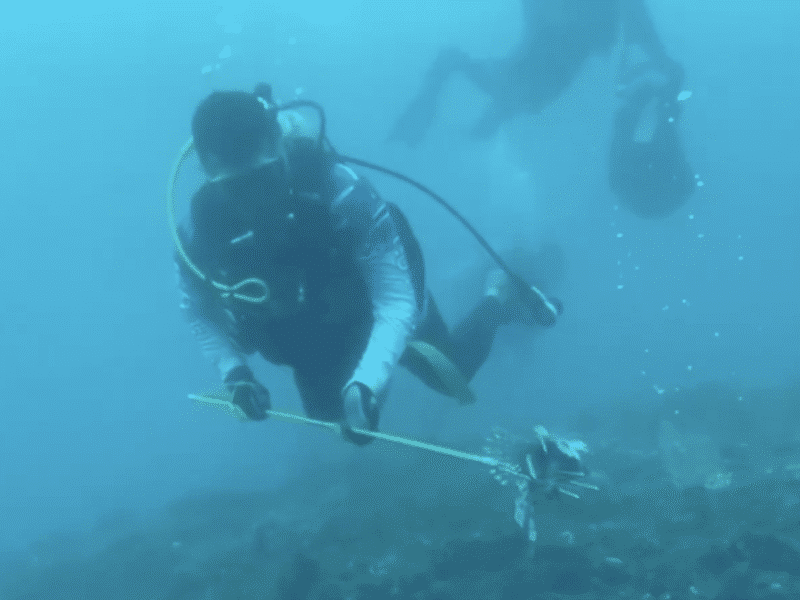
Threat and opportunity: the lionfish in the Southern Caribbean Coast
The lionfish is an invasive species that is damaging the coral reefs along Costa Rica’s southern Caribbean coast. Local fishermen hold lionfish fishing tournaments to try to reduce the population.
The multifaceted world of sport and tourist fishing in Costa Rica’s Central and Southern Pacific
Tourism initiatives centered on sport fishing require much more than a healthy ocean. It depends on trained personnel both on and off the water who can meet ever client’s needs. In Costa Rica’s Central and Southern Pacific, this is what’s being promoted and protected.