Without the moor, there is no water: the community response that seeks to ensure the water future of northern Peru

In the mountains of Piura, Peru, 35% of the páramos have been degraded over the last 20 years due to multiple causes, most notably intensive agriculture, livestock farming, and mining. The loss of these ecosystems has a direct impact on water availability. That is why local communities are organizing to protect the paramos. Journalist Cinthia Cherres Huamán reports the story from Peru, which was produced with the support of The Latin American Solutions Journalism Fund, an initiative of El Colectivo 506 in collaboration with the SOMOS Foundation. It was published in Norte Sostenible on March 20, 2026, and has been adapted here by El Colectivo 506 for co-publication.

In the northern highlands of Peru, at more than 3,000 meters (9,842 feet) above sea level, Berardo Neyra Meléndrez walks on dark soil. It appears firm, but is actually spongy.
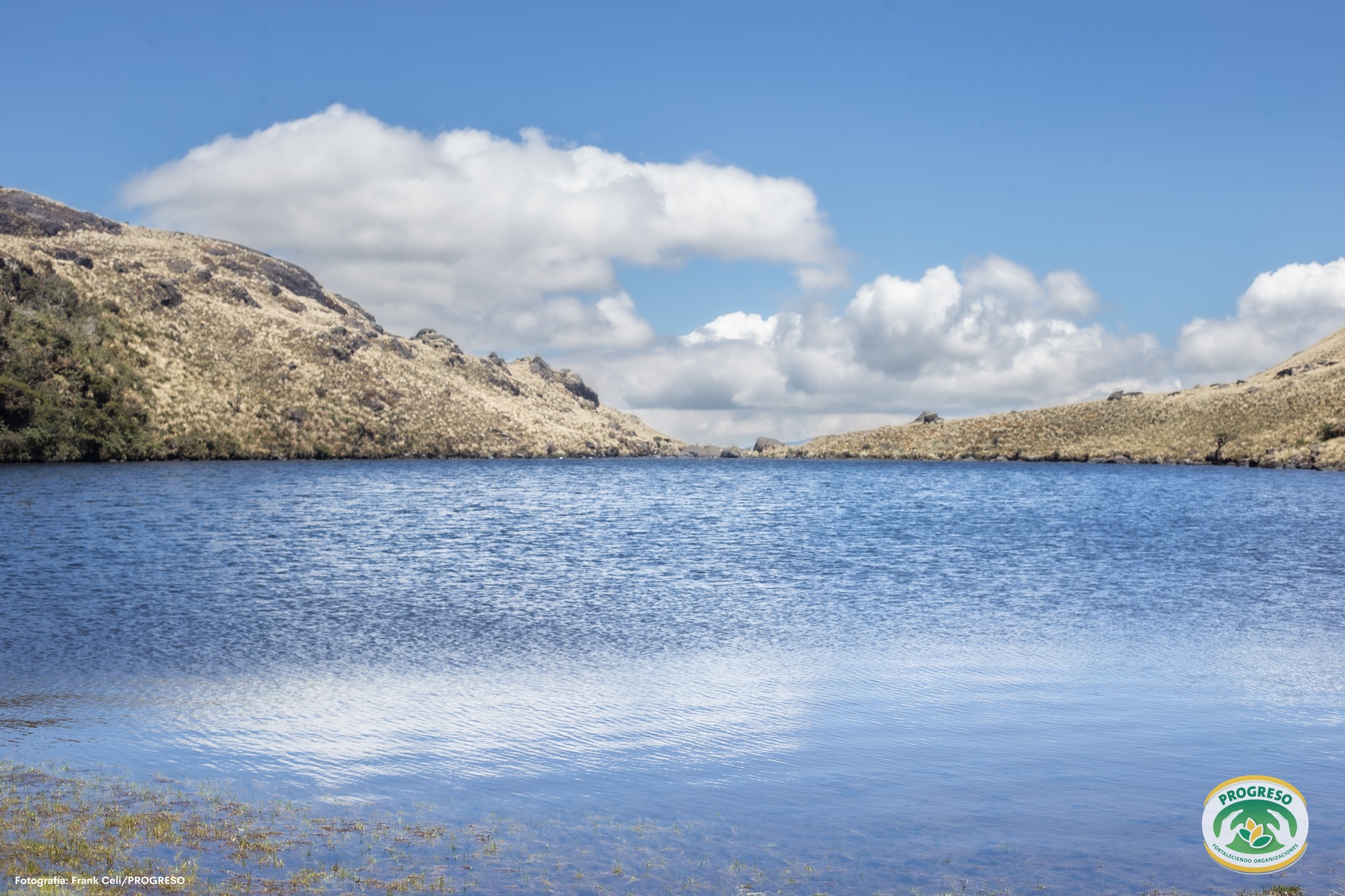
“Water is born here,” he says, pointing to a hollow covered in tall grasses and mist. There is no river in sight. Only tall grasses, cold wind, and a constant dampness that seeps underground.
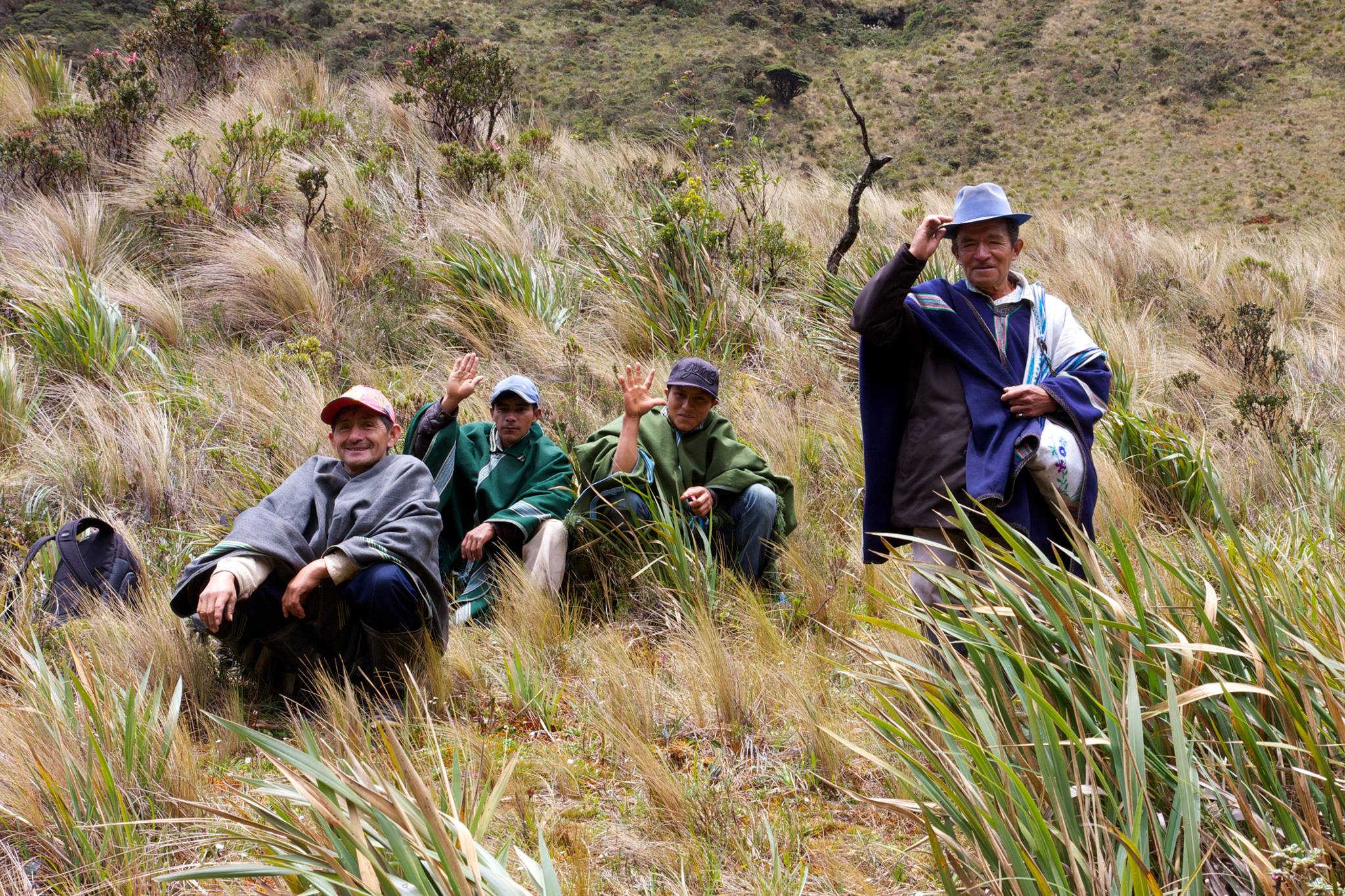
Berardo is a leader in the hamlet of Totora, in the district of Pacaipampa, a high Andean area in the Piura region near the border with Ecuador. For years, he witnessed, and participated in, practices he now questions: burning to expand pastures, grazing livestock in fragile areas, and logging for firewood. Today, he promotes reforestation and the protection of the Andean Páramos and Cloud Forests of Cachiaco and San Pablo Environmental Conservation Area.
Theirs is a fight against time and climate change. The Andean páramos—a high-altitude grassland ecosystem that acts like a natural sponge—are under constant threat and pressure. Over the last 20 years, northern Peru has lost 35% of this ecosystem, which spans the Piura and Cajamarca regions and extends into southern Ecuador.
Burning, overgrazing, and agricultural expansion accelerate its degradation. Each hectare disturbed means less capacity to infiltrate rainwater, less regulation during the dry season, and less stability in the ravines that feed rivers such as the Quiroz and the Chira. When organic soil is compacted or burned, it loses its ability to absorb and slowly release water. Rainwater runs off violently, and downstream communities face longer droughts or more abrupt floods.
In this story, we’ll explore how the pressure on the moorlands of Piura and Cajamarca compromises regional water security in an area where millions of people and agricultural exports depend on these sources—and how high Andean communities are trying to restore the natural sponge that sustains life on the northern coast.
Water lost in silence
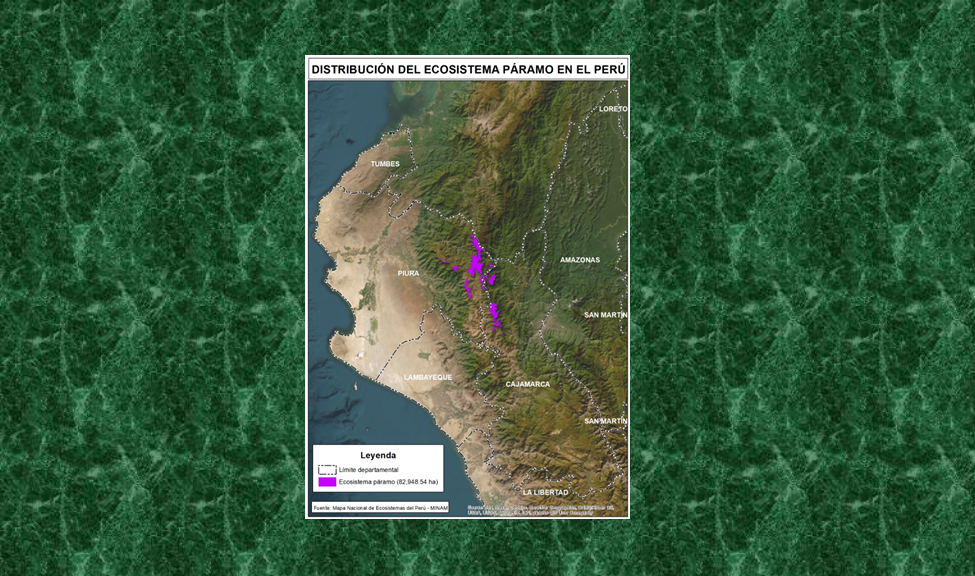
In northern Peru, 35% of the páramo ecosystems located in Piura—approximately 60,000 hectares, or 148,263 acres—have been degraded in the last 20 years, according to research from the Faculty of Agronomy at the National University of Piura (UNP). This figure equates to an average loss of 1,000 hectares per year.
The problem is concentrated in the high Andean provinces of Ayabaca and Huancabamba, and in districts such as Pacaipampa and Carmen de la Frontera, where 75% of the country’s páramo ecosystems are located. Nationally, Peru has 82,948.54 hectares of this ecosystem, shared between Piura and Cajamarca, with ecological continuity extending south into Ecuador.
This is not a remote, untouched landscape. The páramo grasslands supply water to the city of Piura, valleys with export crops, and communities in Cajamarca that depend on the headwaters of the watersheds.
“The only thing that will save us is the páramo,” says José Remigio, Dean of Agronomy at the National University of Piura (UNP). The key lies in the soil’s humus, which retains ten times its weight: “One gram can store ten grams of water and release it gradually into the watersheds.” [Editor’s note: according to National Geographic, humus is “dark, organic material that forms in soil when plant and animal matter decays.”]
The causes identified by the Ministry of the Environment (Minam) are multiple, but intensive agriculture and livestock farming stand out, in addition to the burning of pastures before the rainy season.
When organic soil is burned or compacted by livestock trampling, it loses its ability to infiltrate rainwater and release it gradually. The water is no longer stored; instead, it runs off rapidly, generating irregular flows, longer droughts, or more violent floods downstream.
Furthermore, in the context of climate change—with recurring periods of frequent drought and high rainfall, as José Remigio describes—the role of the páramo becomes strategic. In this scenario, he insists that protecting the páramo is essential.
Mining and headwaters
These threats are compounded by mining activity in sensitive areas. The Río Blanco project has emerged as one of the most contentious issues in the Piura highlands.
“Any economic activity involving the páramo generates a danger,” argues the Dean. José Remigio says that “if the intervention is aggressive and doesn’t meet environmental standards, it is clearly a threat… As a resident, as someone who uses the land, I would say that the páramos should be declared protected areas.”
Given that the 60,000 hectares represent such a small fraction of the regional territory, José says it should be viable “to work on a proposal to protect certain very special areas like the páramos we are discussing. This would prevent any activity from entering these areas, and above all, preserve them, because between the páramos and mining, I believe that ultimately, people depend more on water for their survival.”
The director of the Regional System for the Conservation of Natural Areas (SERCAN), engineer Raúl Cevallos, agrees.
“If the páramos disappear, Piura will be left without water,” he says emphatically.
Although he acknowledges that the laws exist, he questions their enforcement: “We are a country that doesn’t comply much with the law.” He wants to see stronger institutions that enforce the law so that the destruction of the páramo doesn’t occur. At stake is not only biodiversity, but the water future of an entire region.
“It is definitely a threat,” he says. “Even when there are claims that there is no pollution—in fact, there is.”
The quiet struggle for water
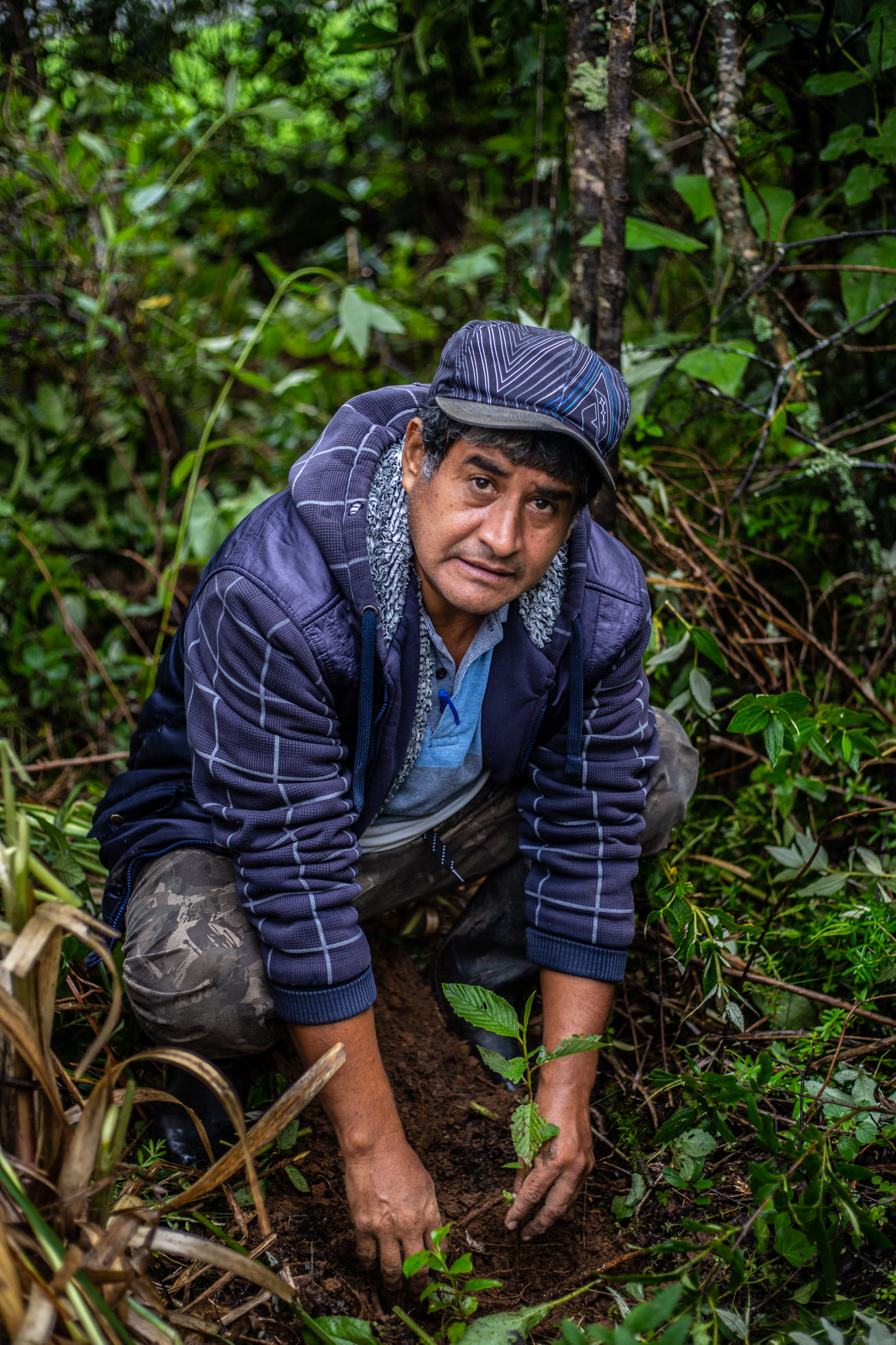
Faced with accelerated degradation, communities, technicians, and authorities have begun to test a response based on natural infrastructure: protecting and restoring the páramos as a regional water security strategy.
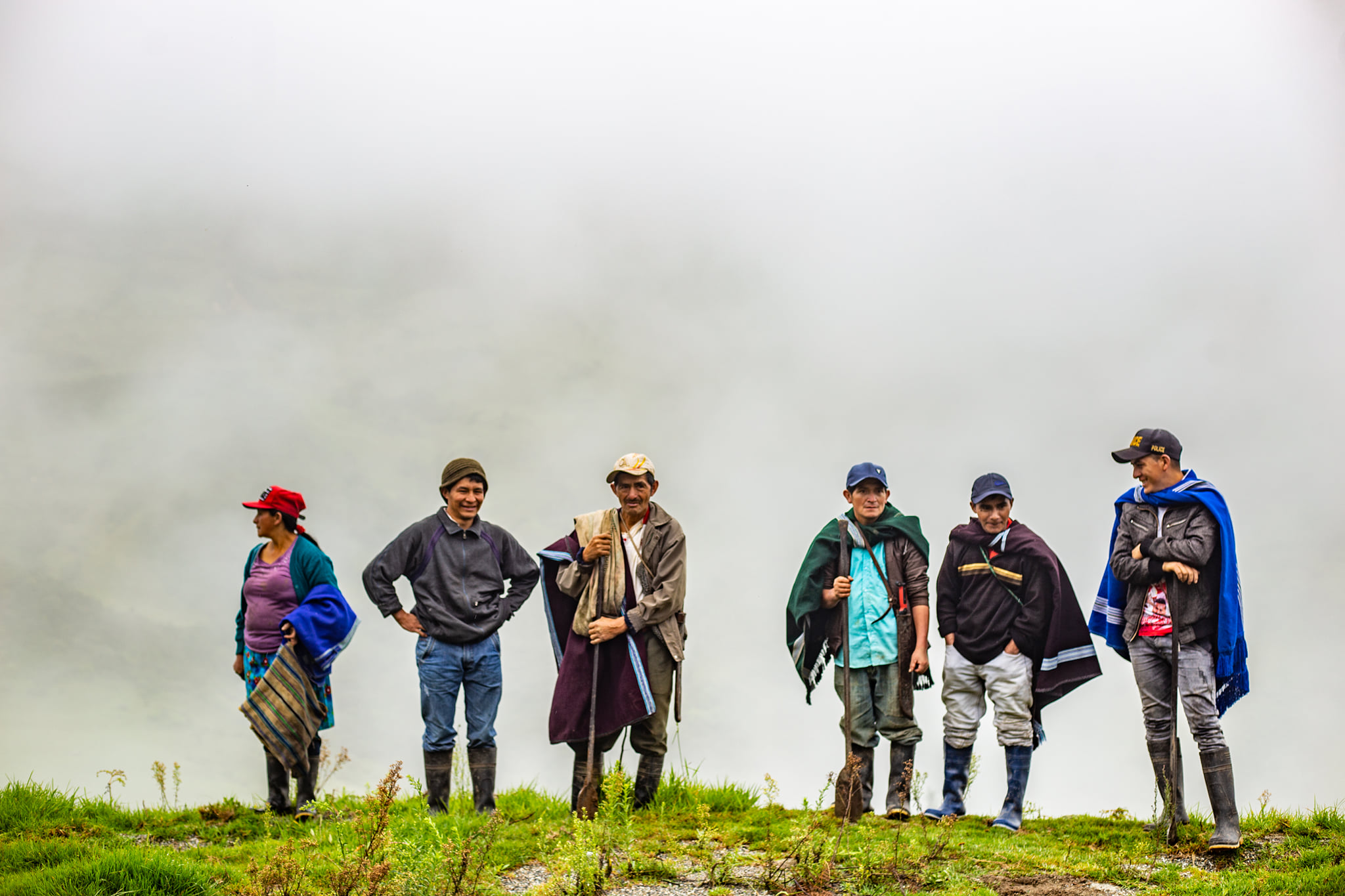
In the highlands where the springs that supply northern Peru originate, the defense of water has ceased to be mere rhetoric and has become action. From the Andean páramo corridor of Ayabaca and Huancabamba, the community leader Berardo Neyra Meléndrez recounts the transformation of a territory that, until a few years ago, was marked by burning, logging, and extensive cattle ranching.
The turning point came when Berardo decided to work with three hamlets.
“I started working with my community in the hamlets of Totorá, San Juan, and El Palmo, three hamlets adjacent to this páramo corridor,” he explains. “We were able to stop the grazing, to convince our residents that cattle should no longer be allowed in the páramo area, that burning and logging should cease,”
The result, he says, is tangible.
“Now we’re at 95% conservation of our area. We’ve left it free for the flora and fauna, and you can now see the animals that live in our páramos,” he says. For Berardo, the recovery of biodiversity is the most obvious proof that the decision was the right one.
The strategy included reforestation with native species and strict protection of water sources. For Berardo, the páramo is not just a high-altitude ecosystem, but also the guarantee of water supply for thousands of families on the coast: “We realized that it was necessary to protect our moorlands because our waters are life.”
Para Neyra Meléndrez, el páramo no es solo un ecosistema de altura, sino la garantía de abastecimiento para miles de familias de la costa y cadenas agrícolas que alimentan mercados internacionales. Sin embargo, insiste en que aún las partes bajas no tienen conciencia de dónde nace el agua que consumen a diario.
From regional corridors to a binational pact
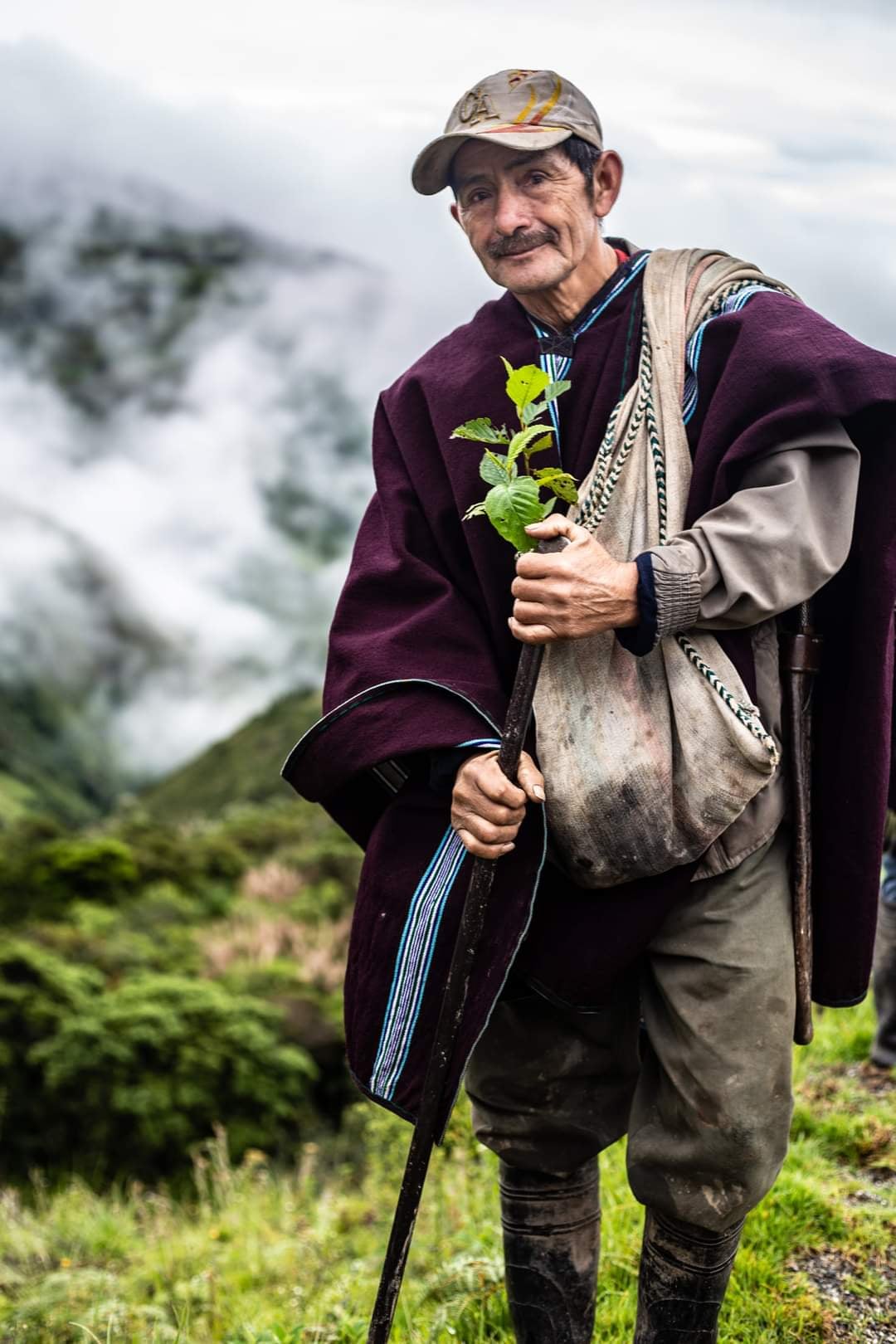
Their struggle, however, extends beyond the local level. Like Berardo, various leaders and communities in Peru and Ecuador have sought to strengthen conservation mechanisms with the support of international organizations. The most ambitious response has been the creation of a 2 million-hectare cross-border Andean corridor between Peru and Ecuador. Its official recognition on Dec. 12, 2025 marked a turning point.
The first step was the creation of the Huaringas Regional Conservation Area. Simultaneously, the organization Nature and Culture International, with funding from the Amazon Fund, supported the process. In 2024, a regional ordinance officially recognized the Northern Páramo Corridor and declared the area protected.
However, creating a conservation area does not happen overnight. Regulations require a coordinated effort with the Ministry of Culture to carry out the Identification of Indigenous and Original Peoples (IPIOS) and, if applicable, to activate consultation and consent mechanisms. In practice, this involves extensive fieldwork, anthropological validations, and community engagement activities within the territory.
In the Ayabaca and Huancabamba highlands, many of these communities maintain ancestral practices deeply connected to the land, such as shamanism and rituals associated with high-altitude lakes.
“Twelve Indigenous Peoples have been identified,” says Raúl Cevallos. “We cannot simply impose a conservation designation without ensuring that it does not affect their customs.”
The process even requires a referendum so that communities can express their position on the creation of the conservation area. Only with this support can the proposal move forward.
This intercultural component not only extends the timeline—identification and validation can take up to six months or more—but also redefines the conservation model. It is no longer just about protecting ecosystems, but about doing so with social legitimacy.
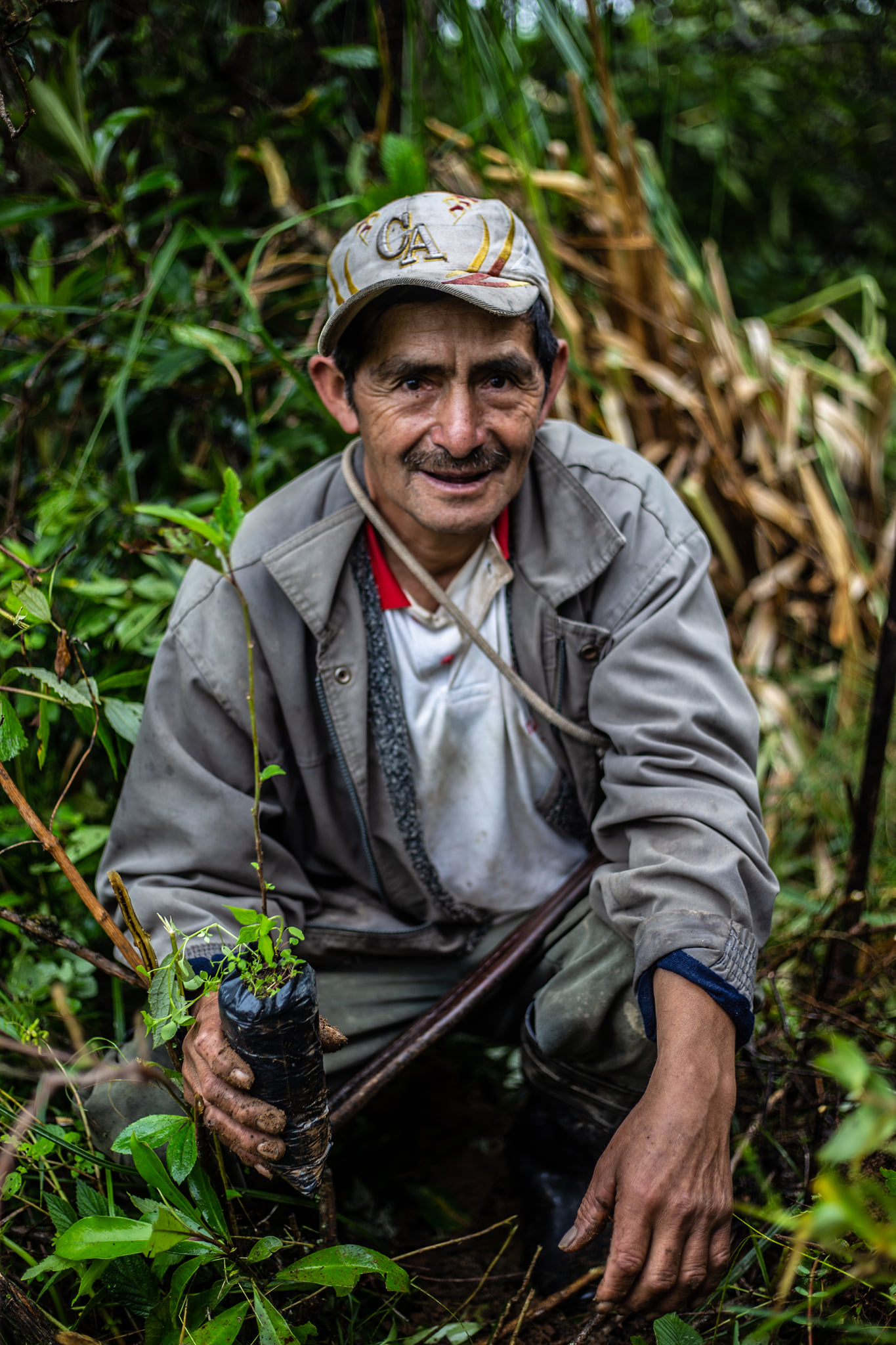
Raúl Cevallos says that the challenge is to balance environmental urgency with respect for self-determination. The protection of the páramo, he insists, must be built with those who inhabit it and recognize it as part of their historical identity.
Consulting with Indigenous communities is not a mere administrative formality, he says. It’s an essential condition in order to make sure the conservation corridor has local backing and long-term sustainability.
The fourth stage involves convincing each ministry “of the need to create this area,” he explains. Approval requires unanimity from the Council of Ministers: “If one minister says ‘no,’ it can’t be done.”
For Paul Viñas, a specialist who has been monitoring these ecosystems in the Piura highlands for over a decade, the data is concrete proof of how conservation impacts the daily lives of thousands of people.
“A better-preserved watershed regulates 30% more water than one subjected to burning or intensive livestock farming,” Paul explains. “While one can store up to 1,000 liters of water, the other only stores 700.”
Since 2013, a team of specialists has been conducting systematic measurements in the páramo between Ayabaca and Pacaipampa.
“The range we established is between 300 and 700 liters,” Paul says. “It’s 300 liters in areas that have been subjected to burning or intensive livestock farming; between 300 and 400 in intermediate areas; and up to 700 liters in the best-preserved areas.”
The difference isn’t just statistical. It translates into available water during the dry season.
“In disturbed páramos, in August, July, or September, flow rates drop to 2 or 3 liters per second,” says Paul. “In the best-preserved areas, we’ve measured minimum flow rates of 30 liters per second.” When the flow rate is minimal, water is prioritized for human consumption; when it’s higher, it allows for irrigation and other productive uses.
Paul says that the recovery of degraded ecosystems is a gradual process.
“Conservation is becoming increasingly visible,” he explains. “It’s a slow process that begins with the recovery of vegetation. This vegetation buffers the direct impact of rain, reduces erosion, and provides nutrients. It forms a spongy layer that absorbs water.”
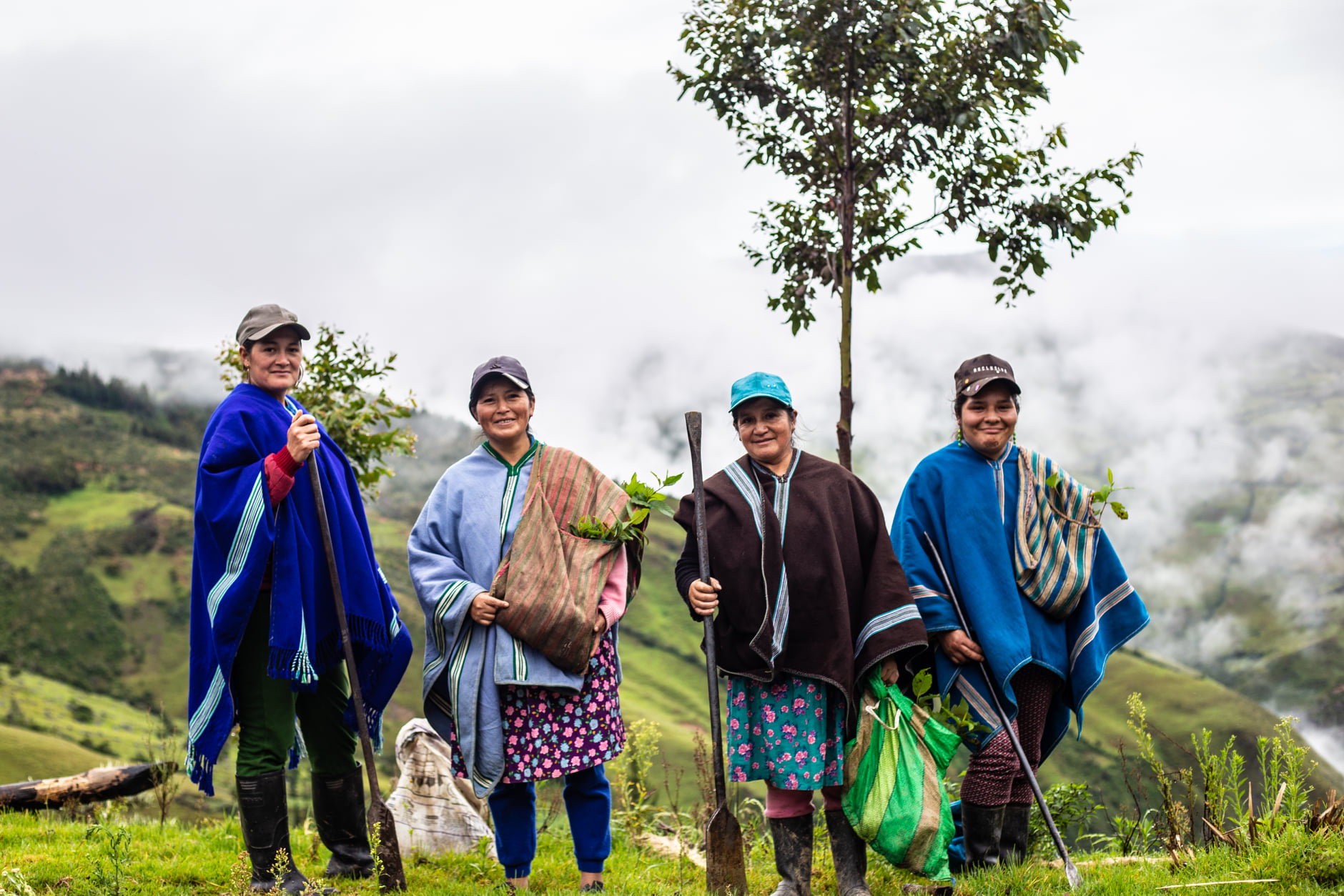
This “cushion” has an organic base. In Peru’s ancient páramos, between 1.5 and 2 meters of accumulated organic matter have been found. However, according to a study by the International Climate Initiative, the European Union, and Forest Trees and Agroforestry, studies of ancient páramos in formation in Colombia and Ecuador have found organic matter layers up to 10 meters deep. The cold slows decomposition and generates leaf litter that becomes humic soil. This layer retains water and releases it gradually.
“This is lost when pastures burn,” Paul warns. “Livestock consumes the fresh grass, and trampling—especially by cattle, which have flatter, stronger hooves—compacts the soil.” When the soil becomes compacted and loses organic matter, the response is immediate: water no longer infiltrates the soil, runs off the surface, and causes flash floods.
“It had rained for an extended period, then it rained again, and the soil accumulated water for three days before draining. That layer absorbed three full days’ worth,” says Paul. Today, in degraded areas, that no longer happens. “Now there’s an immediate response in the ravines. The forest is cut down, the soil is exposed, the rain washes away the organic matter, it compacts, it erodes with the sun and wind, and then the rains come and end up undermining it. It’s a succession of consequences.”
The contribution doesn’t stay in the mountains. The monitored páramos continuously feed the Quiroz River, which then flows into the San Lorenzo system. That flow ends up affecting the water system that sustains cities and agricultural valleys in northern Peru.
According to Abel Calle, project manager at Nature and Culture International (NCI), Piura’s water stability depends on this natural infrastructure. Part of the water supply comes from the binational Catamayo basin in Ecuador, while the Poechos reservoir—the largest in the region—receives approximately 70% of its water from Ayabaca and 30% from Chipillico. Ensuring these rivers maintain a constant, even minimal, flow guarantees they don’t dry up completely and that the system retains its natural cycle.
“We urge the local population, agribusinesses, and local governments to join these conservation and protection efforts for Andean ecosystems. Investing in nature is more profitable than building concrete dams,” Abel says.
The evidence of its fragility is also on the ground. After the 480-hectare fire in December 2016, a study by Nature and Culture International showed that, even a decade later, the ecosystem has not fully recovered. It is a slow process that begins with the recovery of the vegetation.
The specialists who work with the communities involved in the protection of the páramos agree that conservation is not imposed, but rather built with social legitimacy, economic incentives, and technical evidence.
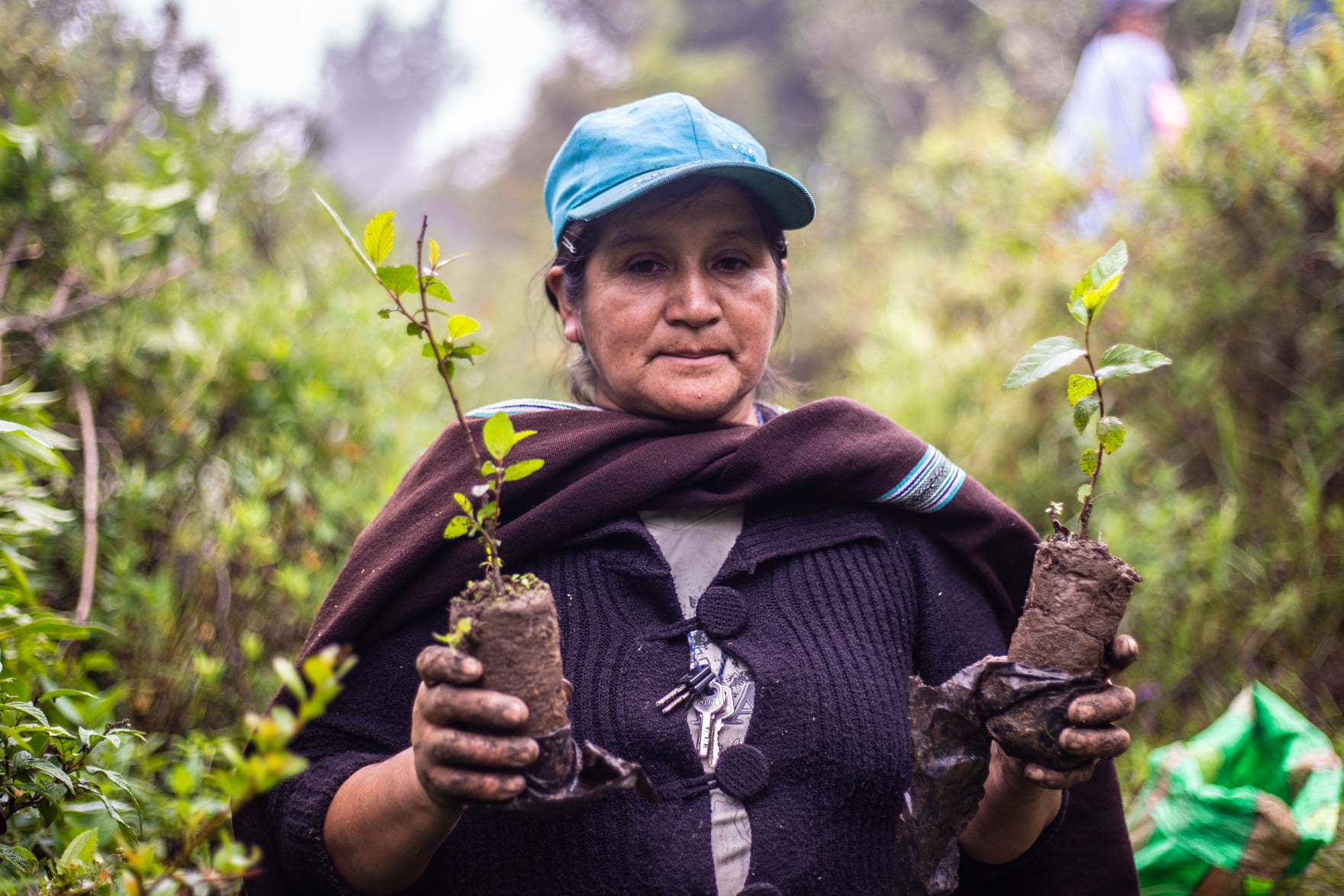
Berardo Neyra sums it up with a simple phrase that encapsulates the cultural shift experienced in his community. “We realized it was necessary to protect our páramos because our water is life.”
The transformation didn’t happen by decree, but through conviction. The agreement to remove livestock, stop burning, and reforest with native species was possible when the community members themselves understood that the water flowing to the coast depends on the porous soil they walk on every day.
Experience also demonstrates that restoration is slow, but visible. “We’re now at 95% with the care of our conservation area,” Berardo states. The recovery of wildlife and the improvement of water sources have been the most compelling evidence.
From a technical perspective, biologist Óscar Rodríguez, coordinator of the Mechanism for Remuneration for Ecosystem Services (MERESE) at the Grau Water and Sanitation Company (EPS), explains that experience has shown that investing in natural infrastructure—though less visible than concrete—is essential to guaranteeing urban water supply. However, he acknowledges that without sustained funding, efforts stall and ultimately impact ecosystems.
The company operates five drinking water treatment plants (PTAP) and manages 42 underground wells whose availability depends directly on water recharge in the upper reaches.
“If we destroy forests and pollute rivers, there will be no quality water,” Óscar warns.
But 2026 finds the company in dire financial straits. Under bankruptcy protection, EPS has suspended collections earmarked for conservation.
“This year, 2026, we are not collecting funds for conservation; collections were suspended last year, in 2025,” Óscar explains. The goal was to reach nearly three million soles, approximately 859,559 USD; however, in 2024, only 0.1% of the rate was collected, about 110,000 soles. “To give citizens an idea, on a 20-sol bill, the contribution was a mere 10 cents.”
Abel Chira, from NCI, says that conservation works best when it is linked to the local economy.
“Coffee, honey, tara, or guinea pigs are not secondary activities; they are the foundation that allows families to commit to caring for the forest without sacrificing income,” he says. “The increased participation of women on boards of directors and in associations has strengthened this social sustainability. The importance of women in the family economy and also in conservation is evident.”
Abel Calle says that the gap between law and reality can undermine any initiative if it doesn’t translate into concrete actions and sufficient resources. Raúl Cevallos, director of the System for the Conservation of Natural Areas (SICARN), agrees. He says that when communities understand that the páramo is a “water sponge” guaranteeing the supply for Piura and its agricultural valleys, they assume an active role in its defense. Without this social ownership, he warns, any technical project remains just on paper.
Raúl maintains that the key has been to link conservation with productive alternatives. Through mechanisms such as water funds and public investment projects—including those aimed at protecting emblematic species like the spectacled bear and the tapir—efforts have been made to ensure that ecosystem protection generates concrete benefits for Andean families.
“The lesson is that when conservation improves the local economy, community commitment ceases to be mere rhetoric and becomes daily practice,” he says.
Conservation amid mistrust and scarcity
The experience in the páramos of northern Peru offers three lessons applicable to any region where natural infrastructure competes with short-term extractive models: conservation requires community legitimacy, viable economic alternatives, and sustained funding. Without these three pillars, even the best technical evidence and state-recognized corridors can remain merely theoretical.
For the farming communities inhabiting the highlands of Ayabaca and Huancabamba, conservation has not been an easy task. The first barrier has been mistrust.
“There is a lot of resistance; the communities are skeptical because many public policies have been promised but never implemented, and the mining industry has carried out a kind of socialization campaign that has made them wary,” explains biologist Óscar Rodríguez, from EPS Grau.
Abel Calle, from Nature and Culture International (NCI), says that polarization has fractured internal relationships and made it more difficult to build consensus around the protection of water and territory.
Added to this is the lack of resources to sustain long-term processes.
“The biggest limitation is the budget. To be able to work with the communities, because obviously the logistics are complex. Because they are far from the areas,” Abel Calle warns.
The communities live in scattered, high-altitude areas where access is difficult and expensive. Without continuous technical support, many initiatives—such as fencing off areas, community surveillance, or nurseries of native species—depend almost exclusively on volunteer effort.
The economic factor also weighs heavily on local communities. High Andean families depend on livestock farming and subsistence agriculture. Reducing overgrazing or ceasing burning requires modifying production practices ingrained for generations. José Remigio, from the Faculty of Agronomy at the National University of Piura, suggests building capacity to improve the management of natural resources and make it more efficient. Without clear economic alternatives, conservation competes with the immediate need for income.
There is also a gap between recognition and concrete benefits. Abel Calle recounts cases of communities that, despite protecting water sources, face charges they consider unfair.
“There are communities that owe 2,000 or 3,000 soles a year and will never pay it,” he says. “They tell me, ‘Engineer, but how are we supposed to pay if they don’t give us anything? We don’t even have piped water, but they’re charging us. Just for having recognized us.’”
This perception weakens the legitimacy of environmental policies, he says.
Finally, the lack of up-to-date technical information limits community decision-making.
“There isn’t enough hydrological data to see how much the flow of the rivers originating in these watersheds has changed over the years,” warns José Remigio. Without clear data on how much has been lost—and how much can be recovered—the communities are carrying out conservation efforts amidst uncertainty.
The very institutions responsible for promoting conservation acknowledge that they operate with extremely narrow margins. In the case of EPS Grau, biologist Óscar Rodríguez warns that the financial crisis has slowed the revenue earmarked for protecting the headwaters of the watersheds. The company is in dire financial straits this year.
“This year, 2026, we are not collecting funds for conservation; collections were suspended last year, in 2025,” Óscar explains. The goal was to reach nearly three million soles, approximately 859,559 USD; however, in 2024, only 0.1% of the rate was collected, about 110,000 soles. “To give citizens an idea, on a 20-sol bill, the contribution was a mere 10 cents.”
Without sustained funding, key projects in the Sancay micro-basin and the Quiroz sub-basin have been suspended, limiting the capacity to intervene on the scale required to address thousands of hectares of degraded land.
In the System of Conservation of Natural Areas (SICARN), the budget constraint is even more pronounced. Engineer Raúl Cevallos admits that the annual funding is insufficient to monitor, support, and strengthen the established protected areas. “If I tell you how much our budget is for the year… 10,000 soles (USD 2,865). Just 10,000. For one year. For all the activities,” he laments.
The ideal figure, he argues, should be about 280,000 soles. Added to this is the lack of logistics and personnel to oversee hard-to-reach areas. In a context where visible “iron and cement” projects are prioritized, the conservation of natural infrastructure—less tangible, but strategic—is at a disadvantage on the public agenda.
While specialists in the city analyze the situation of the páramos from afar, Berardo continues to survey the humid grasslands. There is no applause, only wind and mist. Down below, on the coast, water still flows through invisible pipes. It irrigates mangoes that will travel to other continents and fills domestic tanks where its origin is rarely considered.
That water that continues to flow today is the result of decisions made at an altitude of over 3,000 meters.
Author

Related Articles
The fishing life in Tárcoles, amidst nets and tourists
Families in Tárcoles, on Costa Rica’s Central Pacific coast, have relied on small scale fishing for years—but this way of life is increasingly precarious. An alternative, fishing tours, has brought new opportunities.
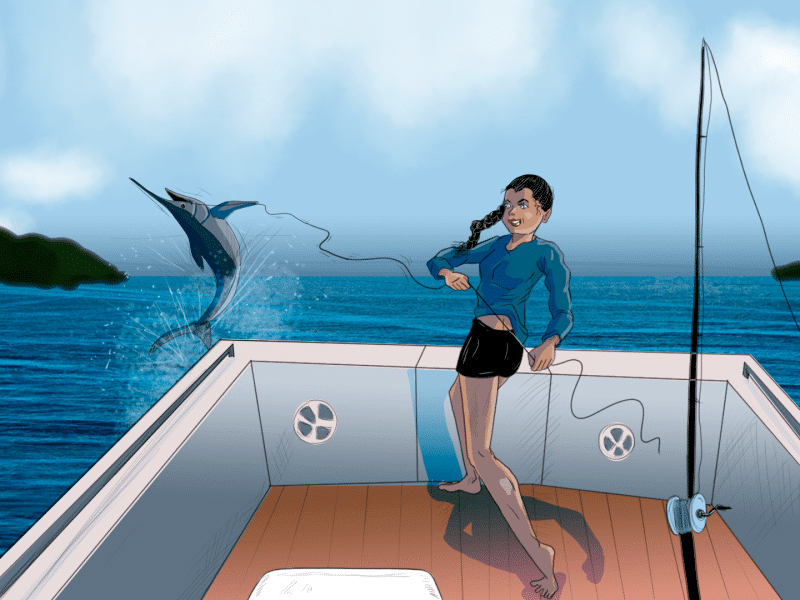
The school that opened the sport fishing industry to women
In the world of sport fishing, women participate in pre-fishing activities (such as preparing food for the crews) and post-fishing activities (filleting, selling the catch, and cooking). A school that started in Guanacaste and is now located in Puntarenas seeks to integrate women into the workforce on tourist and sport fishing vessels.