How solutions journalism reshapes reporting in Latin America
With the support of DW Akademie, we interviewed 13 journalists from the Latinamerica Solutions Journalism Fund about the impact of practicing this type of journalism.
This article was produced for the DW Akademie dossier called “Let’s Talk: A Dialogue about Dialogue.” It was originally published as part of a compendium of 13 articles and three videos that explore the future of journalism and its role in public discourse. Thanks to support from DW Akademie, we interviewed 13 journalists—coming from a wide range of countries and communities, journalistic contexts, and areas of expertise—from our first five cohorts of The Latin American Solutions Journalism Fund on how they perceive these issues. In addition to reading the article, we invite you to listen to the podcast in Spanish featuring the voices of the 13 journalists on Spotify, Apple Podcasts, or your preferred platform, or on YouTube with English translation.

How can journalism measure the impact of a story in a way that goes beyond clicks and likes?
What about looking at how the story changes the journalist herself, and going from there?
A clickbait-driven world and other shifts in the journalism landscape have made it harder than ever for journalists to engage in in-depth, nuanced work. However, when given the chance to spend more time on a story — and to use the methodology of solutions journalism to report not only on a problem, but also on a response that’s been generated to address it — the impact can be profound. Even if such stories come along only occasionally in a reporter’s career, they offer a chance to reorient first the journalist, and then audiences, towards more constructive dialogue.
Can solutions or constructive journalism move beyond broadcasting to facilitate genuine conversation?
Does this approach add complexity and balance to a negative news cycle?
At the Latin American Solutions Journalism Fund, an initiative of Costa Rican media organization El Colectivo 506, we’ve long thought about the impact of solutions journalism as a “ripple effect.” We spoke to 13 graduates of our first five cohorts about how they see these issues. These reporters — encompassing a wide range of countries and communities, journalism contexts and areas of focus — used their fellowships from the fund to report on responses to gender inequity, biodiversity loss, polarization and more.
Here’s a glimpse at just three responses.
Agustina Bordigoni, Argentina
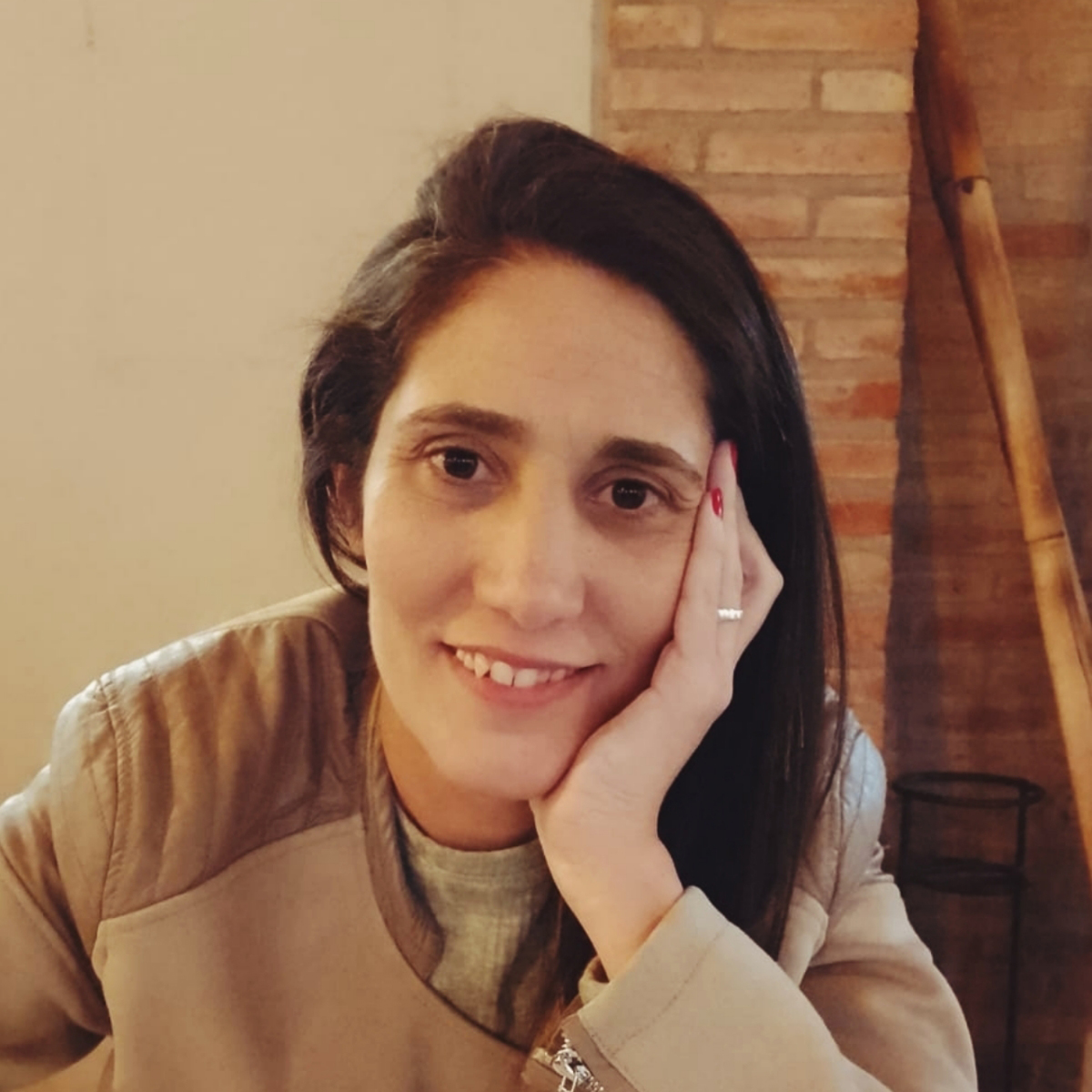
“The impact on mental health is what I’d highlight most. Just as it is for audiences, it’s exhausting to read or hear bad news, this also has an impact on the people who document, interview, or write about the situation.”
That’s how Agustina Bordigoni, looking back over her 20 years in journalism, characterized the mental health challenge facing so many in this profession. She received a fellowship from the fund in 2025 to report on Mocha Celis, the world’s first high school where transvestites, transsexuals and non-binary students can safely complete their education.
Her story portrayed the dire situation facing many trans people in Argentina. Agustina learned that seven out of 10 reported experiencing discrimination at school and only 24.3% complete their studies. However, when she walked through the halls of Mocha Celis, sat with students and teachers and studied their work in depth, she was able to help raise the profile of a model that is spreading across the globe.
The experience created a shift within her.
“On a personal level, practicing solutions journalism helped me to see the full scope of a problem or issue being covered… and to understand that solutions, or even attempts at solutions, are also part of the story,” she said. “Solutions journalism has a dual impact. Professionally, it adds complexity to the coverage, and personally, it’s a relief to know that not everything is as bad as we generally think.”
While the stress of journalism is multifactorial, changing her focus had a profound impact.
“The impact on mental health is what I would highlight most about this type of journalism, because when we cover complicated issues, the feeling we’re left with as journalists is almost always bitter,” Agustina explained. “When journalism is also practiced under pressure during grueling workdays, this contributes to a malaise that affects our health. Reporting on these issues from a solutions-oriented perspective is something else entirely. Now, I always think about what someone, somewhere, is doing in the face of that situation or that problem.”
She has continued exploring the methodology since.
“I’ve been able to implement solutions journalism on some other occasions in my media outlet, Aldea Global, which is focused on migration and refugees,” she said. “For the people who read the stories, solutions journalism provides a break from a polarized view of the world.”
Paola Chavely Torres Nahuatlato, Mexico
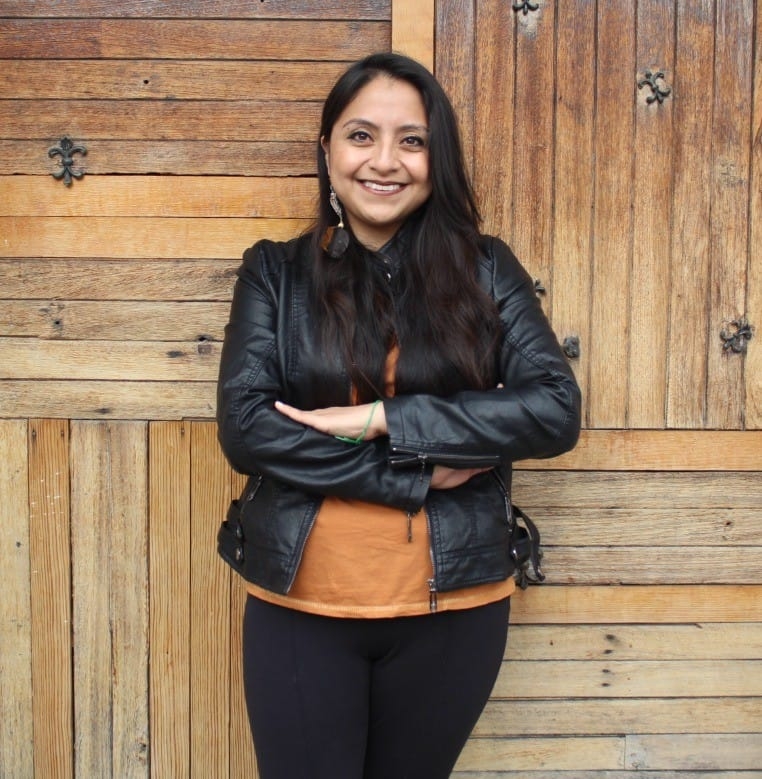
“When we change the narrative, the way people look at themselves also changes,” said Paola Chavely Torres Nahuatlato, a sociologist-turned-journalist in Tlaxcala, noting similar impacts on her own mindset.
”Practicing solutions journalism transformed my understanding of the profession,” she said. “We were trained to point out what’s wrong, and that’s fundamental, but we were rarely taught to look at what’s working. In a Latin America or a Mexico plagued by violence, choosing to champion joy, hope and solutions is an ethical and political stance. It’s not about abandoning denunciation, but rather expanding it, calling for what is right, offering pathways, lessons and examples that can be replicated.”
“Championing hope is also a form of journalism: showing that things can be different and demonstrating how this act is profoundly transformative,” she added.
However, for Paola, the most powerful impact of solutions journalism occurred when the “ripple effect” started to move outwards. That is, the internal shift started to affect the way she interacted with her sources.
When she used her fellowship in 2025 to report on a fight for menstrual rights in a women’s prison, she met a woman named Keren. By using the tenets of solutions journalism to frame her questions around the impact of Keren’s work, rather than the suffering, Paola noticed a powerful change.
“She wasn’t always aware of everything she had achieved,” Paola observed. “We tend to associate prison only with loss, but in her case, there was also learning, organization and the claiming of rights.”
Other women started to approach Paola to tell their own stories.
“They wanted to be narrated from another place, not from suffering or from the stigmas generally associated with incarcerated women, but from who they are — from their capacity for agency and transformation,” she said. “That approach was one of the greatest editorial impacts I have experienced. It demonstrated that when we change the narrative, the way people look at themselves also changes.”
From there, the “ripple effect” continued. Paola, with the women in her story, went on to have an impact on the donors, supporting her media organization, Escenario Tlaxcala.
“During our anniversary celebration, several members of our community decided to join the effort,” she recounted. “Now we are exploring the possibility of approaching a legislator who can help overcome the institutional barriers that currently prevent these women from having a registered trademark. The goal is to pave the way for better conditions within the prison and for incarcerated women to achieve true economic autonomy.”
José Ignacio Estupiñan Martínez, Colombia
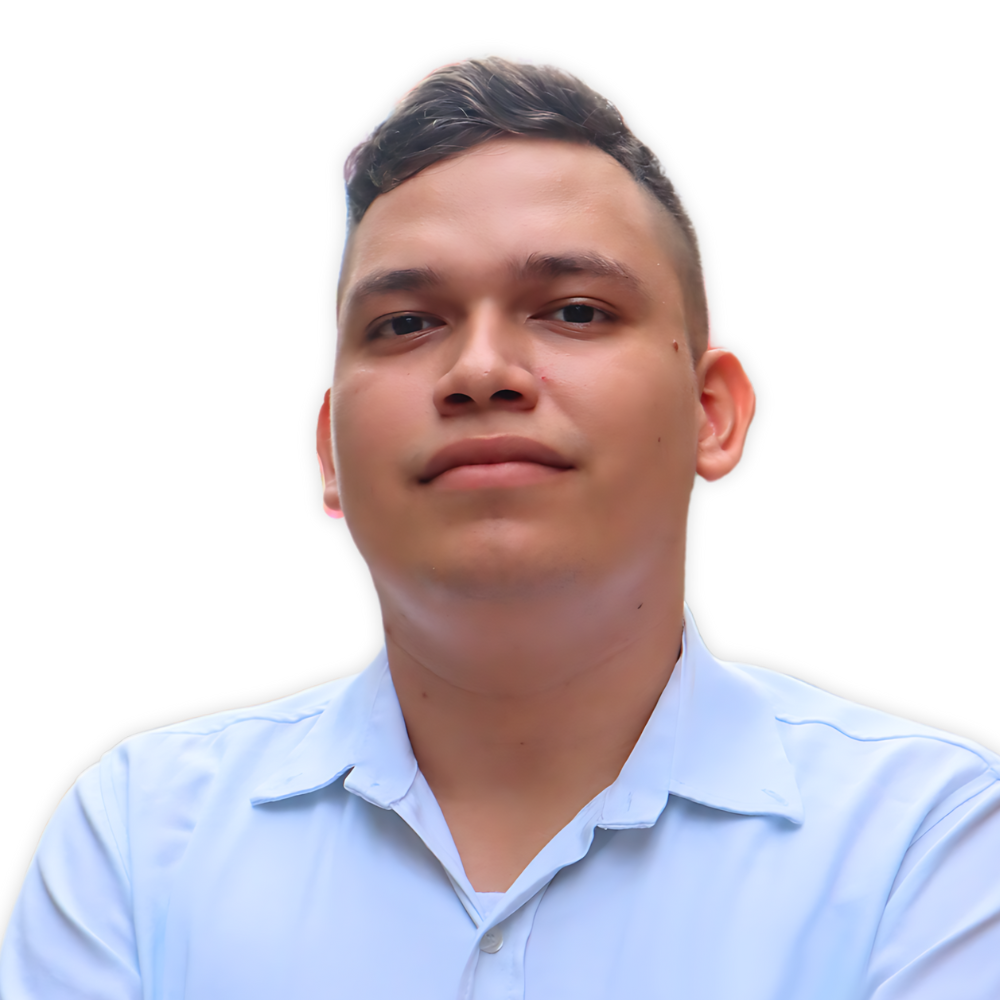
“It transformed my relationship with my audience,” said José Ignacio Estupiñan Martínez, the co-founder of Cuatro Palabras, an independent media organization in Colombia that focuses on community-based environmental and cultural narratives from the country’s margins.
Ignacio received a fellowship from the fund to report on a blue carbon project in Cispatá Bay manages 7,500 hectares of mangrove forest and aims to reduce more than 930,000 tons of CO2 over 30 years.
“At least 12 leaders of mangrove harvesters’ associations actively participated in the creation of the report, and later expressed feeling more deeply represented than in previous coverage,” Ignacio said. “A local school asked to use the report as teaching material to discuss conservation and environmental governance.”
He was also contacted by regional media outlets, and even Swedish National Public Radio, all wanting to learn more about the mangrove restoration model. In addition, a “doctoral researcher from the University of Wisconsin also wrote to me requesting technical references and methodological details to inform his ongoing research, which I believe demonstrates that the impact extended beyond the local level.”
But what was the impact of solutions journalism reporting — both in this instance, and in his previous work, since Ignacio was not new to the methodology when he joined the Fund — on his work and career in a broader sense?
“Solutions journalism broadened my understanding of journalism’s mission in my region,” he said. “In the Colombian Caribbean, we work in contexts marked by institutional distrust and social fragmentation. I believe that explaining processes clearly… improves public debate. In my story on how carbon is measured in soil and biomass, how credits are certified and how benefits are distributed within the community, I was able to translate technical information into much more accessible language.
“Today, I’m applying that same approach at Cuatro Palabras, especially in investigations about culture, territory and community governance,” he added. “I believe that journalism from this perspective functions as a tool for collective understanding.”
But what’s more, this type of journalism has “transformed my relationship with audiences. I’ve noticed that the messages I receive are more analytical, less impulsive. People are asking about processes, limitations, the viability of projects and lessons learned, rather than just looking for culprits or scandals surrounding the news. When a story circulates, as happened with our distribution across more than five media outlets nationwide, the interaction ceased to be merely reactive and became a much more structured conversation.”
“I’m now applying that learning by promoting pieces that encourage internal dialogue within communities, even organizing post-publication discussions to explore the findings and limitations,” said Ignacio. “In this way, the audience shifts from being a consumer of content to also being an active participant in collective reflection.”
Author
Related Articles
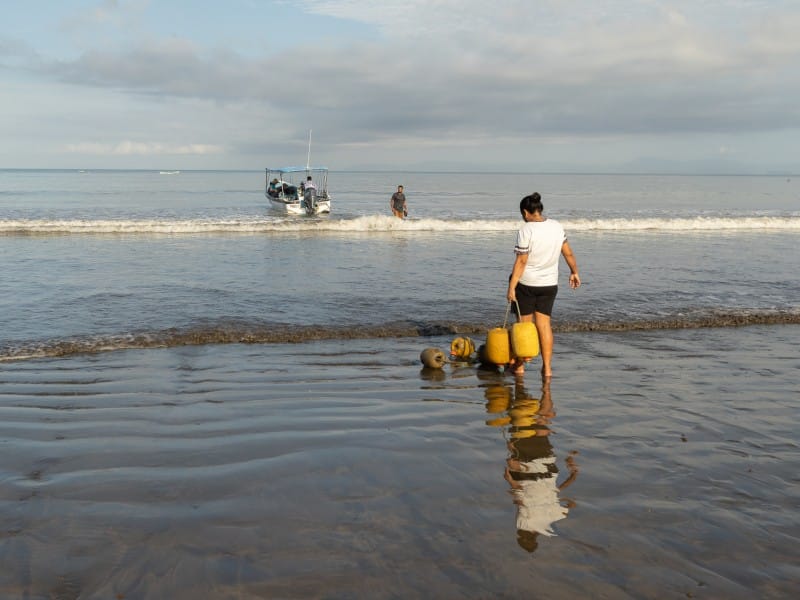
The fishing life in Tárcoles, amidst nets and tourists
Families in Tárcoles, on Costa Rica’s Central Pacific coast, have relied on small scale fishing for years—but this way of life is increasingly precarious. An alternative, fishing tours, has brought new opportunities.
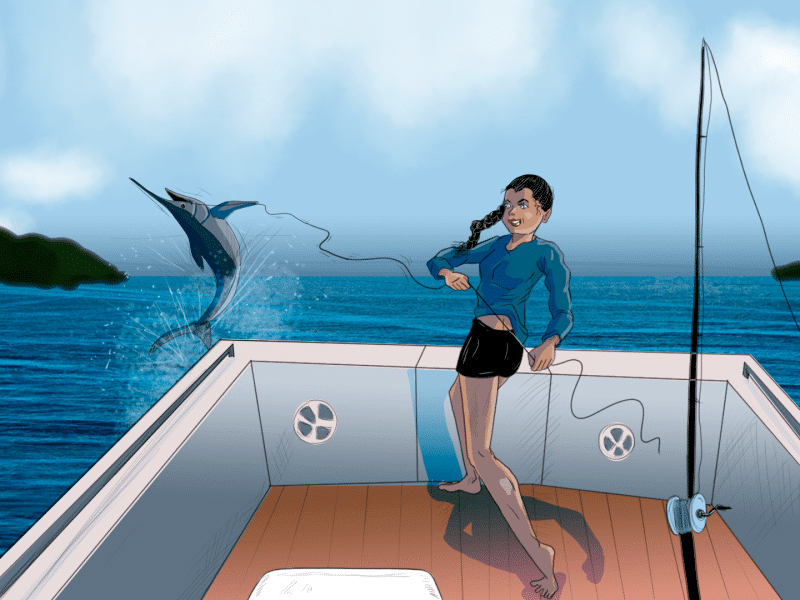
The school that opened the sport fishing industry to women
In the world of sport fishing, women participate in pre-fishing activities (such as preparing food for the crews) and post-fishing activities (filleting, selling the catch, and cooking). A school that started in Guanacaste and is now located in Puntarenas seeks to integrate women into the workforce on tourist and sport fishing vessels.
