Transvestite, trans, and non-binary schools: an educational model from Argentina to New York
Mocha Celis was the first high school in the world created to make it possible for transvestites, transsexuals, and non-binary people to complete their studies—a program that most drop out of due to discrimination. From the target population, seven out of 10 reported experiencing discrimination from their classmates, and four out of 10 discrimination from administrators and teachers. The model, which emerged in Buenos Aires, inspired dozens of Argentine provinces that implemented similar programs, as well as other countries such as Brazil, Chile, Costa Rica, and Paraguay. Journalist Agustina Bordigoni tells the story in this report created with a Gender Equity Reporting Fellowship from the Latin American Solutions Journalism Fund, an initiative of El Colectivo 506. The story was made possible by a donation from the Burgess Fund and two individual donors. The article was published by PERFIL on May 18, 2025, and adapted and translated here by El Colectivo 506 for co-publication. Google Translate was used to create a first draft of the translation.

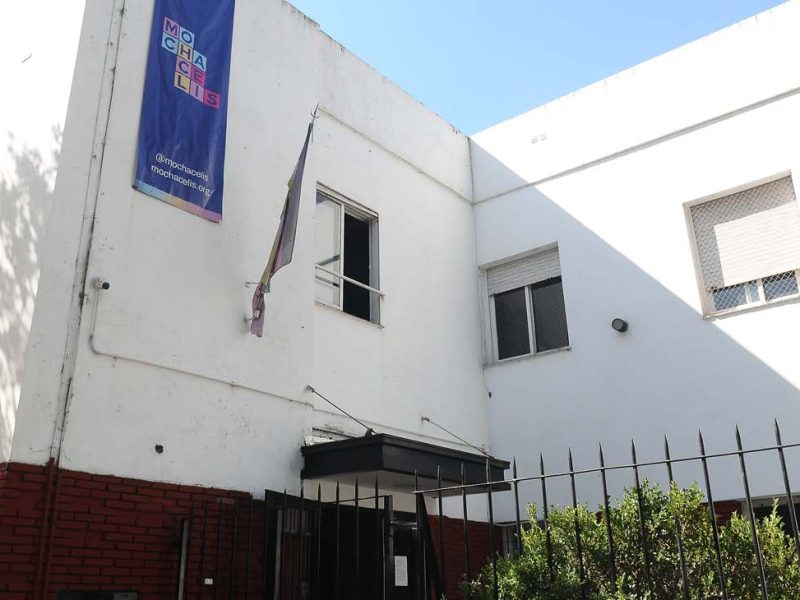
As soon as you walk through the halls of Mocha Celis, the world’s first transvestite, trans, and non-binary high school, you realize why the students call it “School of Tenderness.” Some students approach us to welcome us with a kiss on the cheek, despite not knowing the reason for our visit. The conversations between administrators, teachers, and those who attend the institution—more than 90 people—are full of deep listening, rather than the formality and verticality typical of other educational settings. Perhaps this is why its students agree that it is more than a school. It is a family.
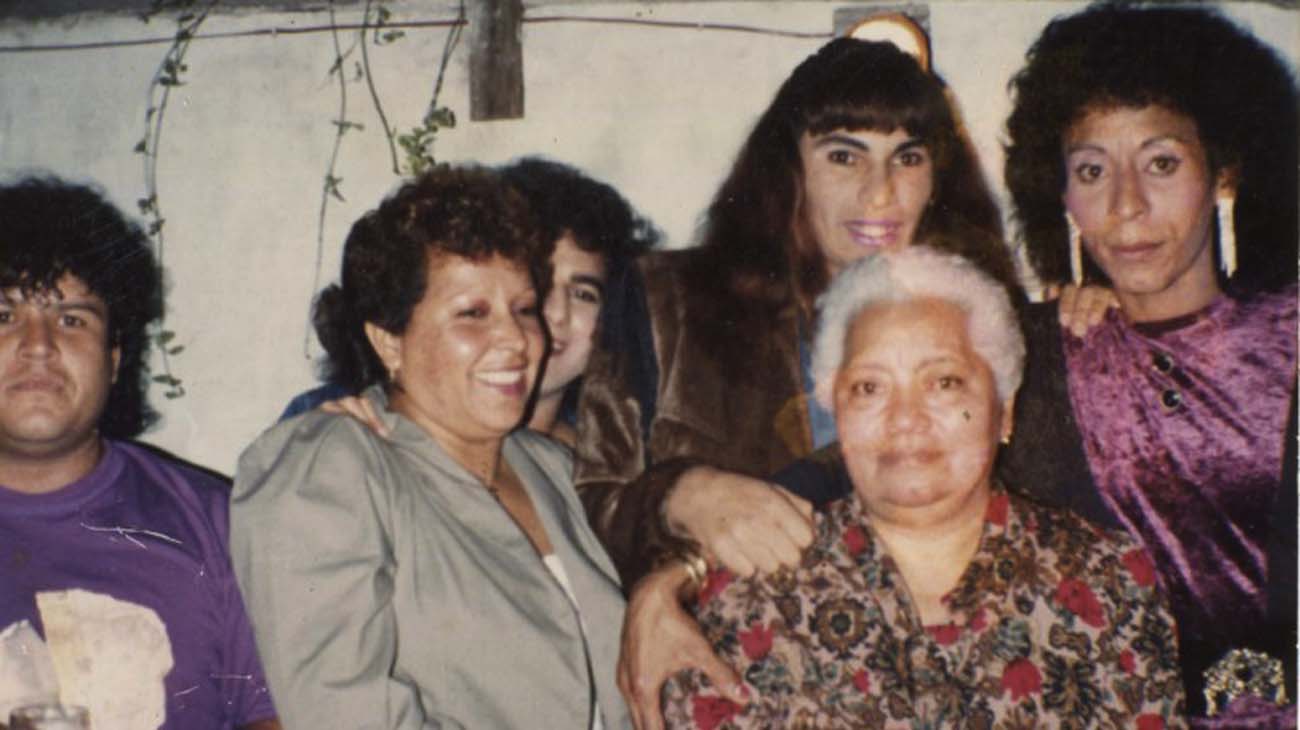
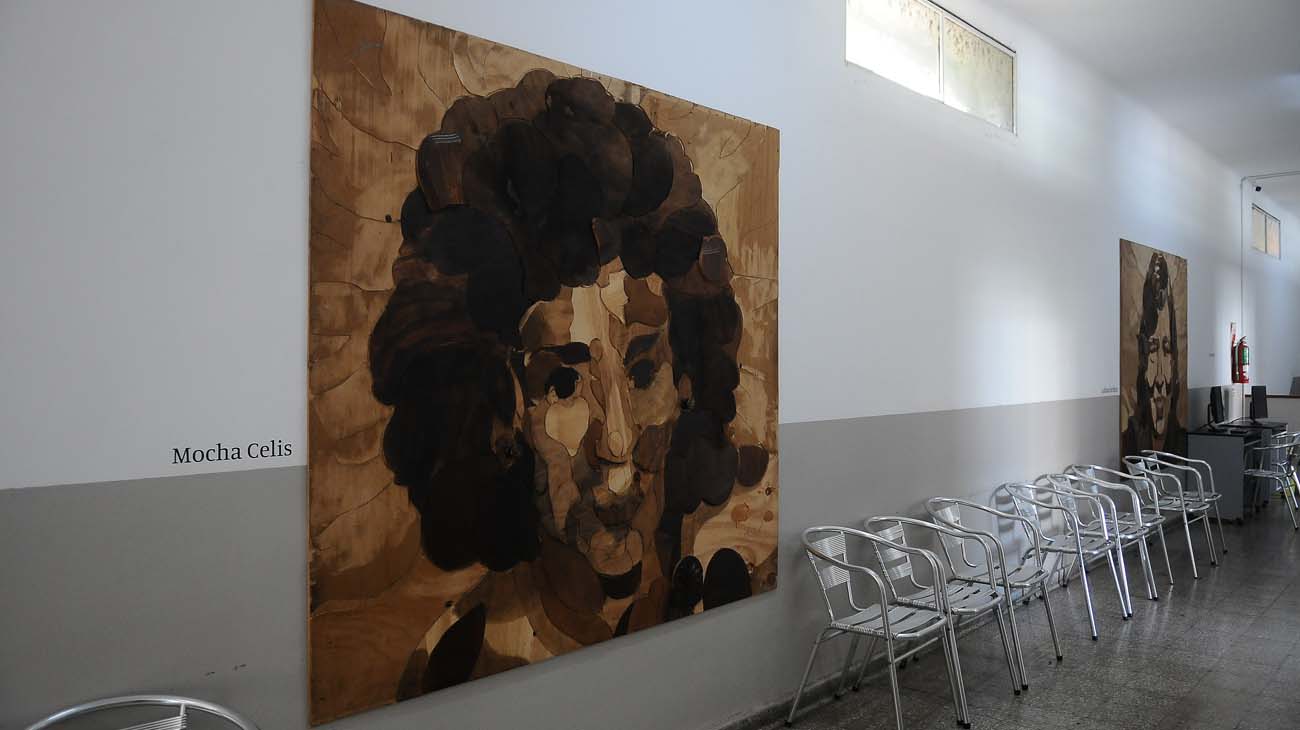
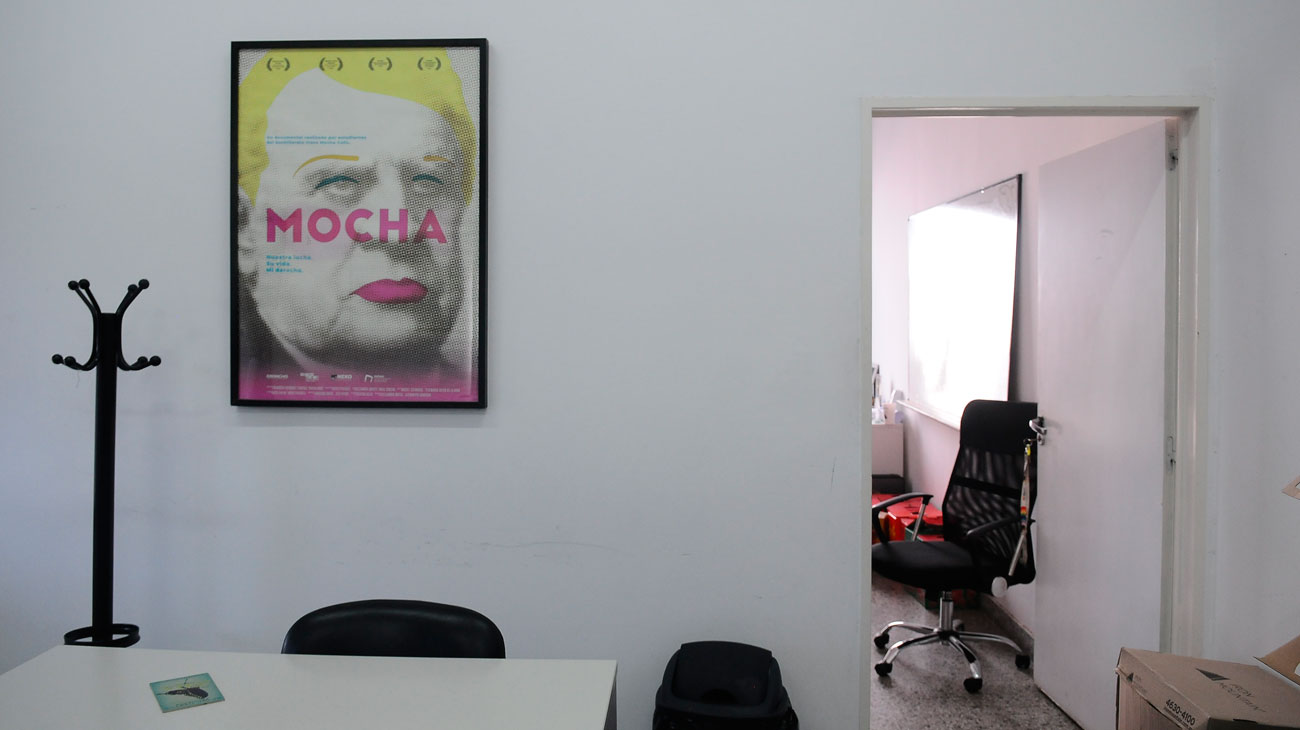
Located in the Balvanera neighborhood of Buenos Aires, the institution was founded in 2011 by Francisco Quiñones Cuartas and Agustín Fuch. It is named for Mocha Celis, a transvestite from Tucumán who failed to complete secondary school and was a classmate of transvestite activist Lohana Berkins. Mocha Celis was murdered; the crime is still unsolved. In 2020, the school became a nonprofit association that provides other services such as food, healthcare, vocational workshops, and support in various aspects of life outside of school.
Throughout these years of history, in addition to graduating with more than 300 students, Mocha Celis has an even greater legacy: it inspired 15 Argentine provinces and countries such as Brazil, Chile, Costa Rica, and Paraguay to implement their own programs. Theirs are independent of Mocha Celis and adapted to each context, but with the same central idea of becoming institutions where the transvestite and transgender population, and anyone who felt excluded from the system, could complete their secondary education. This year, they are collaborating with an organization called Trans Formative Schools, with the idea of bringing the model to New York.
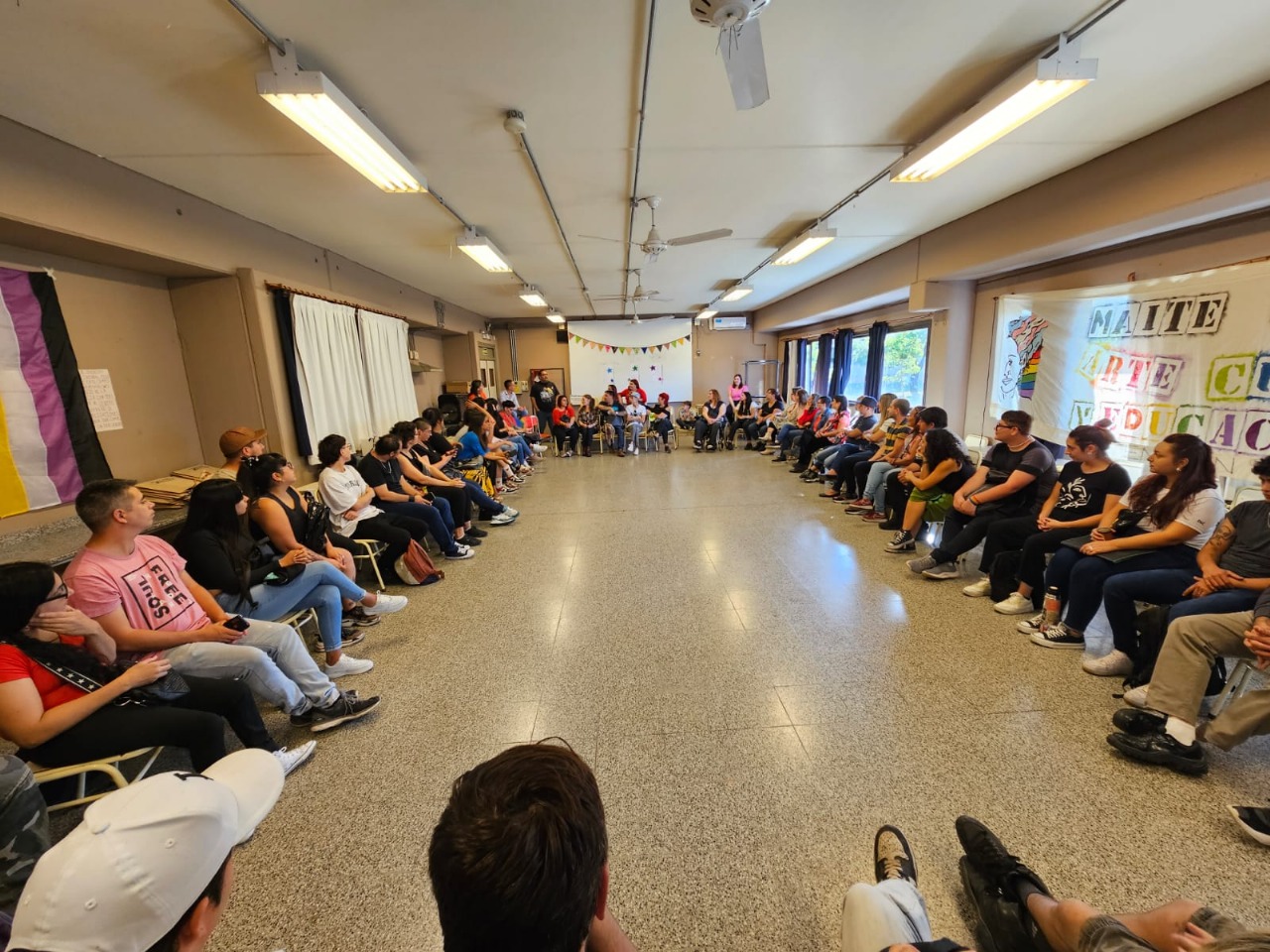
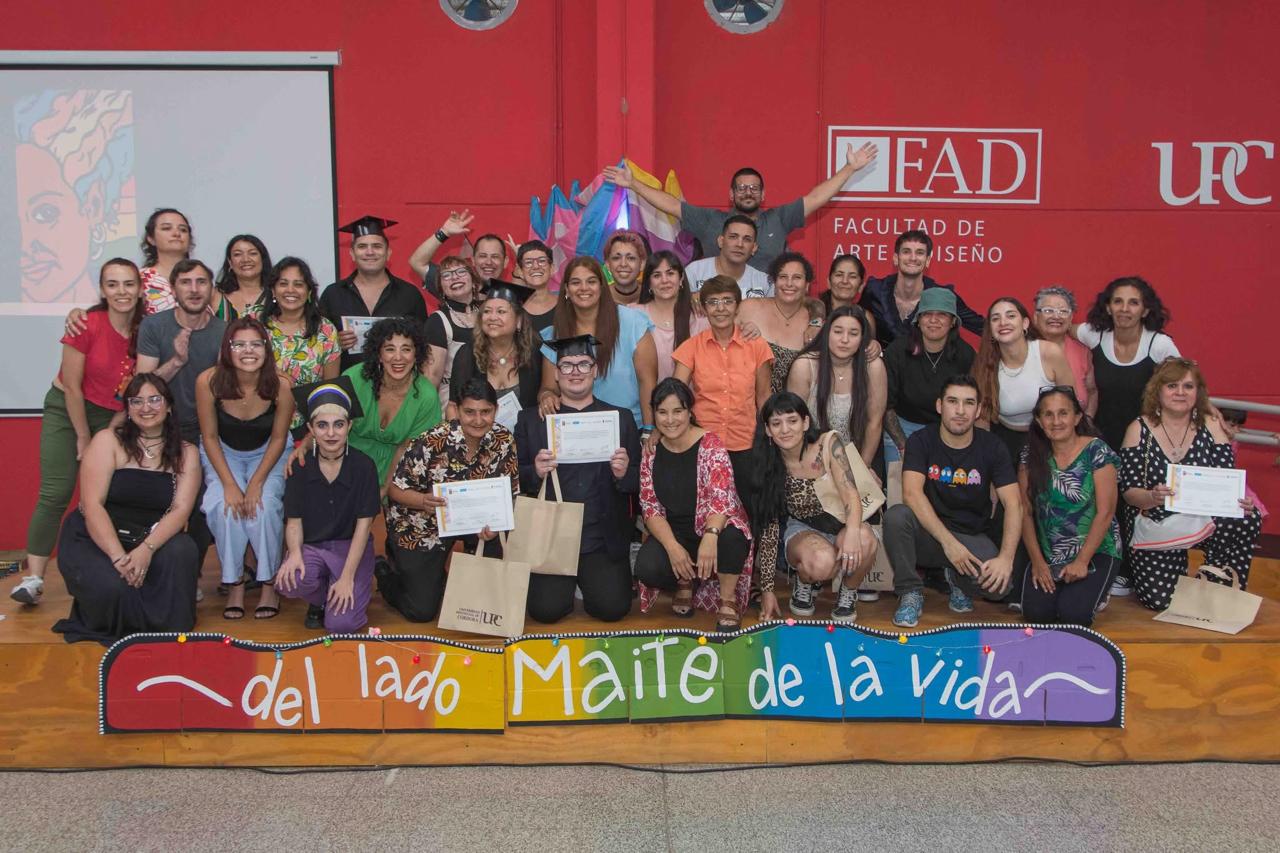
“I never thought I would study at university,” Tina, 22, tells me. In March, she began a degree in Media Arts in the province of Córdoba, after finishing her studies at the Centro Educativo de Nivel Medio Adultos (CENMA) Barrio Acosta, a high school for people over 18 years old that embraces the LGBTIQ+ community. It arose from a thesis project by three students from the Bachelor’s degree in Art and Cultural Management who later contacted the authorities of Mocha Celis to learn from the model and turn their academic work into a school. Affectionately known as “La Maite” in honor of Maite Amaya, a trans activist from that province, the school opened in 2023.
“La Maite is family, above all things, which is no small thing for a sexual dissident. I don’t have dialogue with more than half of my family, but La Maite built me a whole new family. It gave rise to another way of connecting and understanding the family,” Tina explains.
In the midst of adolescence and the transition period as a trans girl, Tina dropped out of high school at a traditional institution in Río Cuarto, 200 kilometers from the capital. Hers is not an isolated case. Discrimination is the main cause of school dropout among the transvestite-trans and non-binary (TTNB) population in Argentina: according to a survey by the Association of Transvestites, Transsexuals and Transgenders, seven out of 10 reported experiencing discrimination from their classmates, and four out of 10 from administrators and teachers. The latest official data on the situation comes from a study conducted by the City of Buenos Aires, which reported that only 24.3% of transvestite and trans people complete their studies. The lack of access to educational completion hinders job placement: in 2023, only 13.5% of transvestites and trans women in the City of Buenos Aires had a formal job.
Added to this is a context of staff and state spending cuts. The government laid off, among thousands of cases, 150 TTNB people during 2024. These individuals represented 1.3% of the total layoffs, but only 0.17% of the workforce. Law 27,636 on the Promotion of Access to Formal Employment for Transvestite, Transsexual, and Transgender People (2021), which establishes a 1% quota for the population belonging to this group—made up of 170,519 people who, according to the latest population census, identify as such—was never fully implemented. The most recent layoffs have worsened the situation for a population that, as a study by the Trade Union Observatory on Gender and Labor Relations indicates, is particularly affected. Why? They often lack a family support network to cope with unemployment; they have only recently gained a better quality of life with the job through the quota, so they do not yet have any savings; and they lack opportunities in the private sector due to discrimination or a lack of formal education.
Initially established as a university outreach program, the “La Maite” school is based on three pillars: popular education within the framework of formal education, art as a tool for social transformation, and gender and diversity as a cross-cutting theme throughout all content. It now has 33 graduates. During the institution’s development process—carried out jointly by the authors of the thesis, the Provincial University of Córdoba, and the Ministry of Education—it was decided that “La Maite” would focus on art and culture, a field that had not existed until then and whose curriculum design is now available to any educational institution.
There’s a fundamental focus on everyday life, says Paola Nicolás, pedagogical coordinator: “We constantly try to keep in mind what it was that expelled students from the system, especially the LGBTQ+ population, and the desire that brought us here, so that it’s a space that, in some way, is waiting for you. There’s a constant search to create mechanisms of love, of affection in its deepest political value, understanding politics as a construction of the common good.”
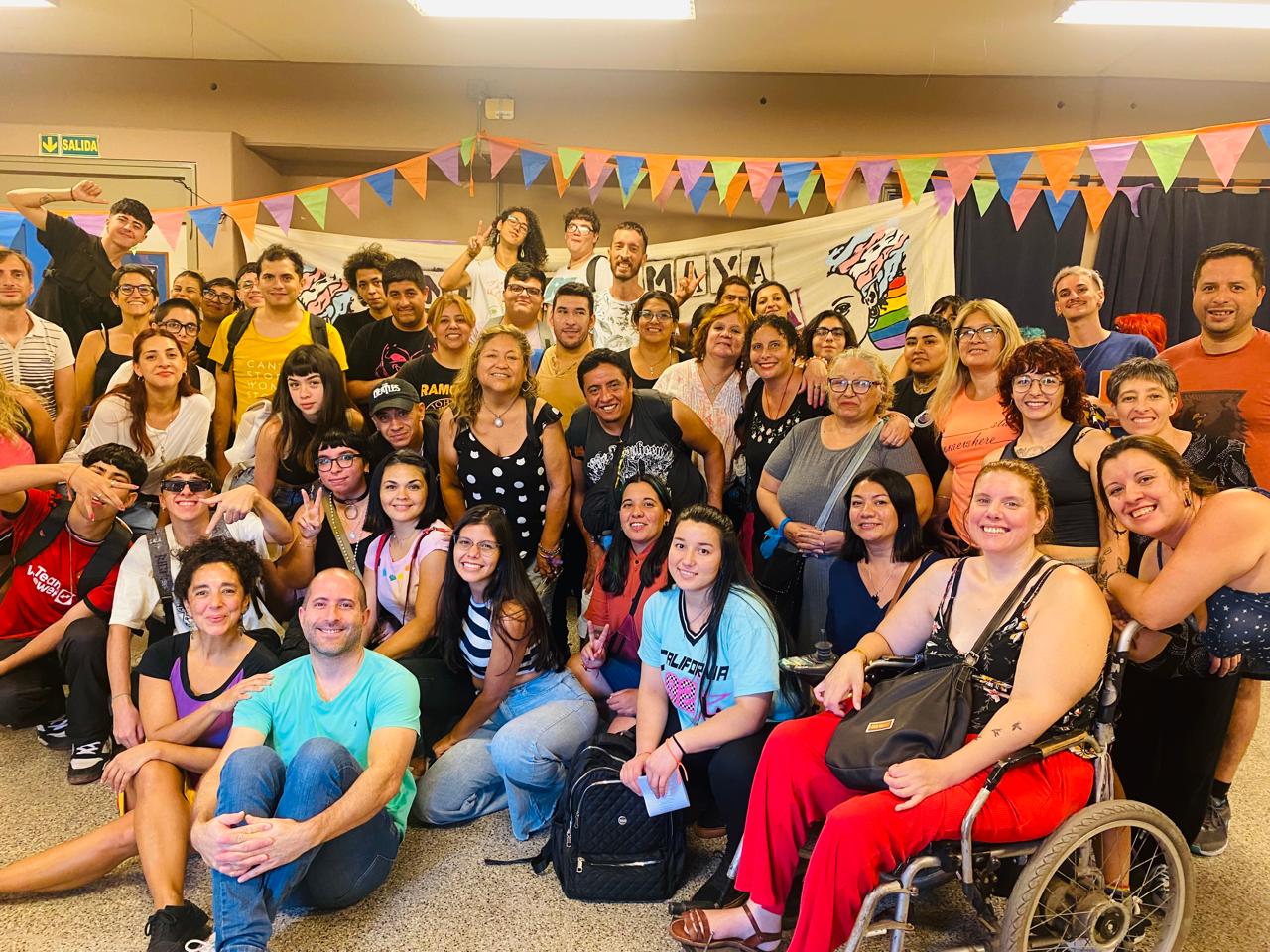
La Maite has its own curriculum design, like any school, but “we also work to ensure that the content connects with the students’ lives,” especially in times of crisis, when the school becomes a place where other situations are addressed, Paola explains. “Last year, our students shared situations of basic needs that couldn’t be met. We had to face the challenge of supporting a school with students who share our concerns about not having enough basic necessities, not having basic food, not having jobs, and having serious difficulties sustaining daily life. We had to take on the challenge of supporting each other as a community at the school.
“Another of the main challenges is supporting the population in a context where discrimination is worsening,” she adds. “The student population with whom we have contact, who have gender identities linked to the LGBT community, began to experience once again very acute situations of profound discrimination in their neighborhoods and when moving around on the streets.”
Nacha Merchant, the author of the thesis and currently part of the school’s support team, was the person who contacted Francisco Quiñones Cuartas to use the Mocha Celis program as a reference.
“He made himself available immediately,” she says. Like Mocha Celis, the school she defines as “her beacon,” she says that at La Maite “we always try to empower the spoken word. And empowering the spoken word involves having the ability to listen, to sit down and think together about how to resolve certain situations. We are all adults with journeys, experiences, a lot of pain, and very broken people, as one of the students describes it. What we need is to start putting ourselves together.”
Listening is present from the beginning: as an institution with a central focus on the TTNB population, the schedules and course modalities were designed to foster integration and continuity.
“This also made it easier for other sectors of society to reach the school,” Nacha says. “Many adult women, with their grown children, decide to finish school here. The main focus is the transvestite-transgender population, but we realized that if we targeted that population, all other identities also felt included, they felt part of it.”
Among the main limitations they encounter in carrying out their tasks, Nacha identifies “the need for a larger team of people” and “the reality of the students.”
In 2024, according to a report by the Latin American Team for Justice and Gender (ELA) and the Civil Association for Equality and Justice (ACIJ), the government did not spend a single peso of the 269 million pesos allocated to the Urgent Aid Actions for Transvestites, Transsexuals, and Transgender People—which it dissolved in 2025—nor did it allocate almost any resources to Comprehensive Sexual Education in schools. Furthermore, the Ministry of Women, Gender, and Diversity and the National Institute against Discrimination, Xenophobia, and Racism (INADI) were eliminated.
The discourse also hardened: in January of this year, at the Davos Economic Forum, President Javier Milei linked homosexuality with pedophilia and criticized the existence of the transgender employment quota.
“The LGBT agenda is being promoted, seeking to impose on us that women are men and men are women only if they perceive themselves as such,” the president stated. “A few weeks ago, the case of two homosexuals who, upholding the banner of sexual diversity, were sentenced to 100 years in prison for abusing and filming their adopted children made headlines around the world.”
“La Maite,” Nacha explains, supports a population already affected by structural issues, such as lack of access to education, healthcare, and formal employment.
“We’ve given everything, but for some young people, whom I hold in my heart, nothing is enough. Nothing is enough, and at the same time, I feel that with very little we could do a lot. What we do isn’t enough to combat such cruelty,” she concludes.
Discrimination from the top down is felt in the streets. The Mocha Celis high school received more applications this year, according to Virginia Silveira, president of the civil association.
“Many people left their schools to come to this institution because there are increasing cases of harassment. And this is conveyed not only by the president’s speech but also by members of his cabinet, like the Minister of Justice, who stated that we are breaking up the family,” says Virginia. “We come from heterosexual families, and family values were shattered when we were kicked out of our homes at age 12.”
She bases her statement on her personal story, which is similar to that of many people in that situation: “Now everyone wonders what a transvestite or trans person is doing working or occupying a position in an office, but no one asked anything when we were standing on street corners at age 12 or 13, and even in our 30s.”
That was Virginia’s age when she completed high school and has since fulfilled every role in the organization. Her personal growth has occurred in line with the association: she was a student, and now she’s a teacher and authority figure.
“The most important thing La Mocha taught me is to know my rights. When I learned about my rights, other kinds of needs began to emerge, and I began to take a more active role in community action,” she says.
As a teacher, she recalls, she was able to share and convey all the fears she had as a student: “What happens is that when we reach third grade, we start to fail a lot, because we think we’ll never be able to return to this place, and because we don’t want to leave, we stop coming. I explain to them that this place isn’t going to disappear, that this will always be there for them.”
Part of that continuity is realized in cooking, textile, and trade workshops, and in spaces for connecting with private companies to ensure job placement for graduates—all needs that arise after exercising the first right, that of education.
To support all its activities, the organization relies on individual donors and international cooperation projects.
“What we do is a piecemeal effort because we don’t have comprehensive funding. Sometimes international cooperation projects are limited, for a limited time,” she explains.
As part of this formally recognized educational process, which provides qualifications for study at any university, subjects such as Occupational Training and Health Education are taught. These are adapted to the reality of the outside world, a somewhat more hostile one than the “tenderness” that students commonly use to define their high school.
“I felt bad where I was; they treated me badly because of my disability. It wasn’t because of my identity; I discovered my identity here,” Francis says. Now the goal is to pursue a career or course related to writing and poetry, Francis’s passion.
“My high school ended up expelling me because of my gender identity,” says Han, 19, a senior. “I went every day with the gender identity law underlined, to tell them about all the rights they were violating. But I was the only queer person standing up for their identity.” Mocha Celis, Han says, became a real home. “This is a place of belonging. If you’re lost and don’t know what to do, you come here and know you have a place, that they’re there to support you, to guide you. In a way, they’re also my family.”
Francis agrees. “High school is a family, a light. Here I learned to be more human, more than I was.”
In Córdoba, and already from her experience as a university student, Tina feels the same.
“La Maite is a family that understands the human side. Something you don’t find almost anywhere: people who, with complete honesty and without asking anything in return, give you a place.”
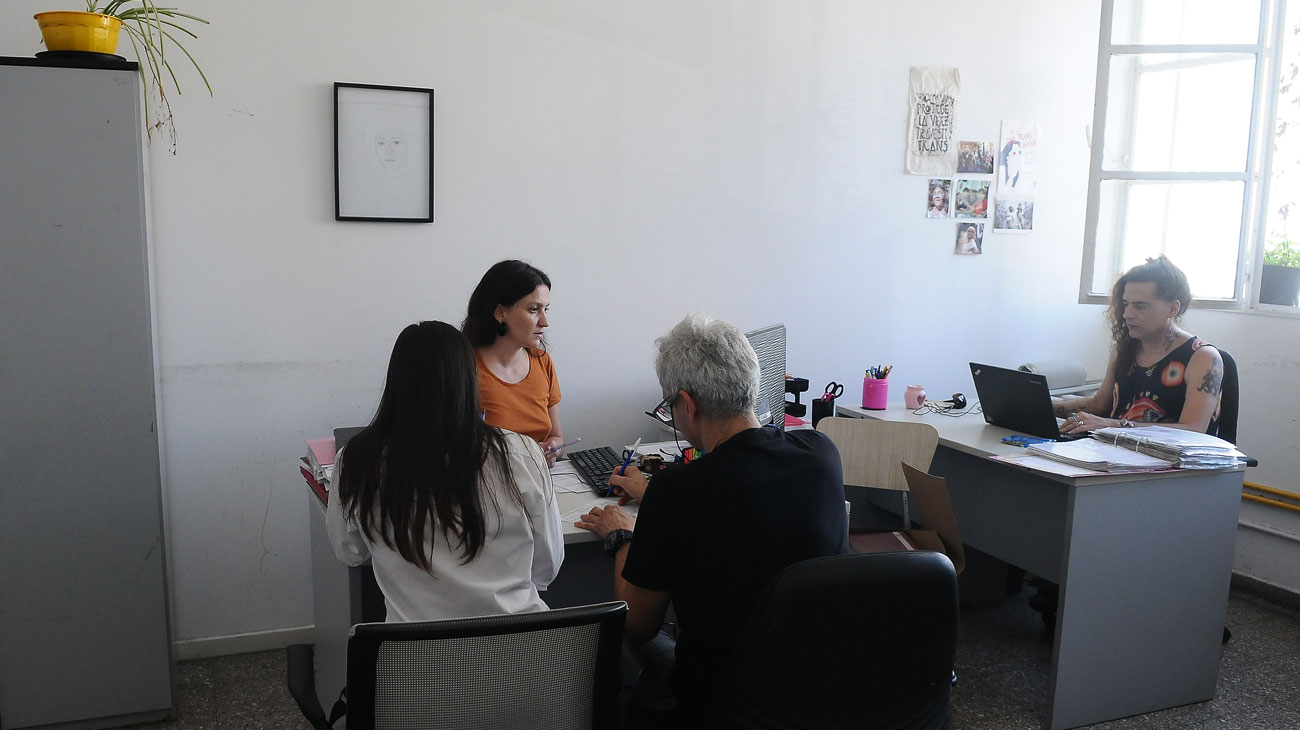
“Trans Forming,” a replica in Paraguay
In Paraguay, there are no laws that protect transvestite, trans, and non-binary population from specific violations of their rights, says Yren Rotela, a human rights activist and general coordinator of Casa Diversa, which operates a space called “Trans Formando” (Trans Formation). Due to the lack of state recognition, this space serves as a preparation center for formal education for TTNB people. As a community, “in addition to losing our families, we lose protection, security, and education. We are forced to live in a context of abuse, exploitation, and a lot of violence. And then we forget about education,” Yren notes.
Faced with this reality, Casa Diversa’s path was the opposite of that of Mocha Celis High School: they began as an association that, upon seeing that a large portion of the over-40 population they served couldn’t read or write, decided to also embark on an educational endeavor.
“We wanted to transform our reality, because education opens doors, it liberates you,” Yren adds.
“My experience at the Trans Formando popular school helped me strengthen my knowledge to return to school,” says Franco, 24, who finished secondary school in 2024. “In a traditional school I was also able to see that even my trans classmates do not have the same privileges that I had as a gay boy. For example, I was never questioned which bathroom I was going to go into or my name, among other things.”
Although they are still seeking recognition to formalize their work, more than 100 people have already attended the school. Of those, a large number decided to continue in traditional institutions.
“Our dream is to one day be like Mocha Celis,” Yren says.
Author

Related Articles

The women transforming Argentina’s tea fields into engines of change
In Misiones, businesses that produce the traditional beverage using artisanal techniques are helping to consolidate female leadership in areas where they have historically been relegated.