
As the New Year approached in Costa Rica, the country braced itself.
We are gearing up for presidential and legislative elections on Feb. 1. Many are expecting a bumpy ride as a nation that prides itself on its democratic institutions grapples with tides of populism, discontent, hopelessness, and, of course, polarization. We know that almost anywhere in the world where you are reading these words, they probably apply to you, too.
The streets of San José were still nursing their quiet hangover on Jan. 3 when the U.S. military removed Nicolás Maduro from Venezuela, but the comment sections were loud and vehement. As with so much these days, we could not seem to agree. Sometimes we aren’t even that interested in talking; we’d rather proclaim.
If there’s anything that we at El Colectivo 506 have learned about democracy in our years as journalists, it’s that both of these things matter. The macro and the micro. The shocking global events, and the mundane conversations online, or at home, or in an Uber. Attacks on laws and Constitutions, and a single voter who says, “I give up.”
No matter what rages through our headlines, we can never stop working on that micro level. Shaping and improving those conversations, even—or especially—when this labor seems almost too small to matter in the face of global terrors.
Because if we stop doing that work, then the people working at the macro level, plunging out into the world to carry out huge actions to save democracy, will not have a democracy to come home to. Democracy does not survive if it is protected only in the halls of government. It can’t survive if it has died inside its voters.
That’s why we hope you will accept our invitation this month. An invitation to the micro. An invitation that applies no matter where you live or how you feel about what’s happening in your town, region, and world.
As that clock ticked over into 2026 in Costa Rica and fireworks exploded over roofs grand and simple, a small group of journalists was also preparing for something. Getting ready to swim against those powerful tides and currents, as best they can, and offer something different to their audiences.
Starting in September, these journalists in rural Costa Rica signed up to learn about ways to bring more complexity and nuance to tough, controversial topics in their communities. To open up conversations that had calcified. To use a set of 22 fresh questions to unstick what was stuck.
After 22 journalists participated in a week of intensive night trainings, eight went on to win our reporting grants for stories on indigenous rights and gentrification, waste management and unemployment, and much more. Often juggling multiple jobs and the stress facing any journalist today, they’ve done all this with the hope of reawakening their audiences’ curiosity and tolerance for opposing ideas.
In late December and early January, they’ve been sharing this work in their communities, and this month El Colectivo 506 is proud to share it with you. You’ll find eight stories as well as opinion pieces from others on the front lines of community journalism about their experience, and our own perspective after we take the project on the road to youth in three rural towns in southern Costa Rica.
We invite you from the bottom of our hearts to join this edition and the little community that it represents. Whether you sample a story or two, stay connected through these Weekend Recharges, or just get to know the journalists through our social media posts, we are confident that you will end the month feeling a little more curious; a little refreshed; a little hopeful.
No macro changes. But maybe a micro change. And that’s what big changes are made of.

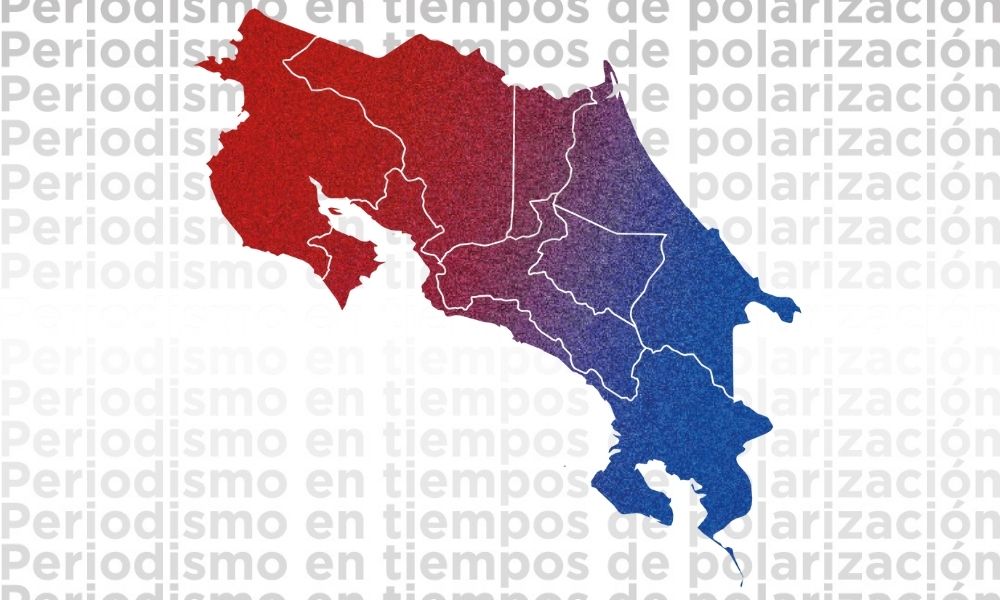
The project “Journalism in times of polarization” is implemented by the Latin American Solutions Journalism Fund in partnership with the SOMOS Foundation, thanks to the support of the Canada Fund for Local Initiatives. The project has included a nationwide survey of journalists about polarization in their communities, stipends and training for a group of journalists from across the country in October, and production grants for eight of those journalists.
The Canada Fund for Local Initiatives—administered by the Embassy of Canada—funds small-scale, high-impact projects aimed at empowering vulnerable communities and populations and promoting human rights for all. For over 50 years and in 120 countries, the Canada Fund has contributed to promoting democracy, supporting the protection of human rights, ensuring security and stability, creating opportunities and equality for children, women, and youth, and stimulating sustainable economic growth, including actions in favor of the environment.