Cerro Chompipe and what to do in the inalienable zone
Who should protect Heredia’s water? In San Rafael, the future of Cerro Chompipe is generating debate: should it be a Natural Monument managed by the municipality, or transferred to the Ministry of Environment and Energy (MINAE)? Between protecting the Holdridge toad and the impact of off-road tourism, the community is seeking solutions for its aquifer recharge zone.
Carlos Vargas Quesada reports the story in this article created with a grant from “Journalism in Times of Polarization,” a project of the Latin American Solutions Journalism Fund. The Fund is an initiative of El Colectivo 506 in alliance with the SOMOS Foundation.“Journalism in Times of Polarization” is made possible by the support of the Canada Fund for Local Initiatives. The Canada Fund for Local Initiatives—administered by the Embassy of Canada—funds small-scale, high-impact projects aimed at empowering vulnerable communities and populations and promoting human rights for all people.
The article was published by published by Piedra Grande on Dec. 26, 2025. It was adapted and translated here by El Colectivo 506 for co-publication. We used Google Translate to support the translation.

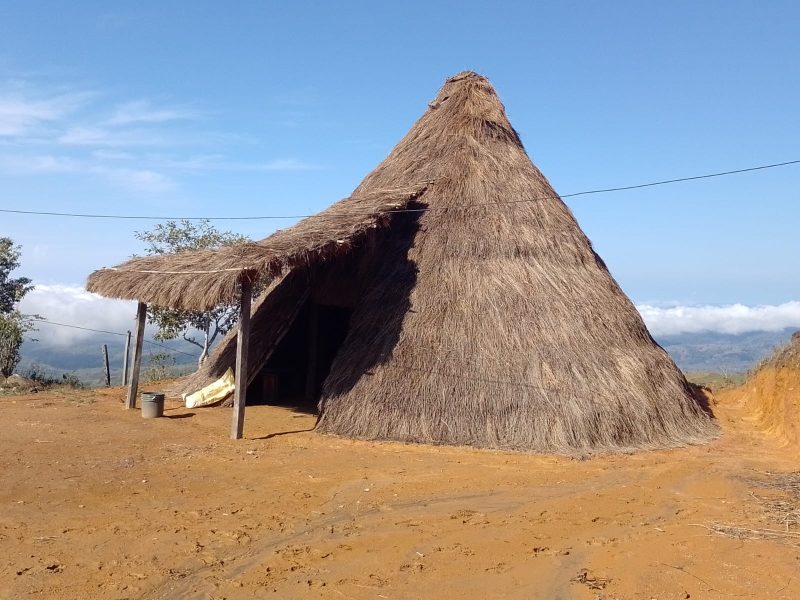
In the mountains north of the Greater Metropolitan Area, where urban development clashes with and pushes against nature, human activities persist and alter the environment. Just 14 kilometers from the city of Heredia lies Cerro Chompipe, where a municipal property belonging to San Rafael de Heredia has become the subject of a conflict between conservation groups and the canton’s mayor.
The discord intensified when, during a city council session in July 2025, Mayor Jorge Arias Santamaría publicly announced his intention to move forward with a proposal for a natural monument in the Cerro Chompipe area. The opposing response was swift.
The citizen collective Conceverde, through its representative, José Francisco Alfaro Carvajal, requested compliance with the sentence—which, according to a notification that the National System of Conservation Areas (SINAC) sent a year ago to the mayor’s office, urges “respect for the sentence of the Constitutional Chamber” in which the Ministry of Energy and Environment (MINAE) is ordered to identify and recover lands in the inalienable zone. [Editor’s note: an inalienable zone, “zona inalienable,” is a protected two-kilometer area surrounding the mountain peak in order to protect water sources in Heredia and Alajuela.]
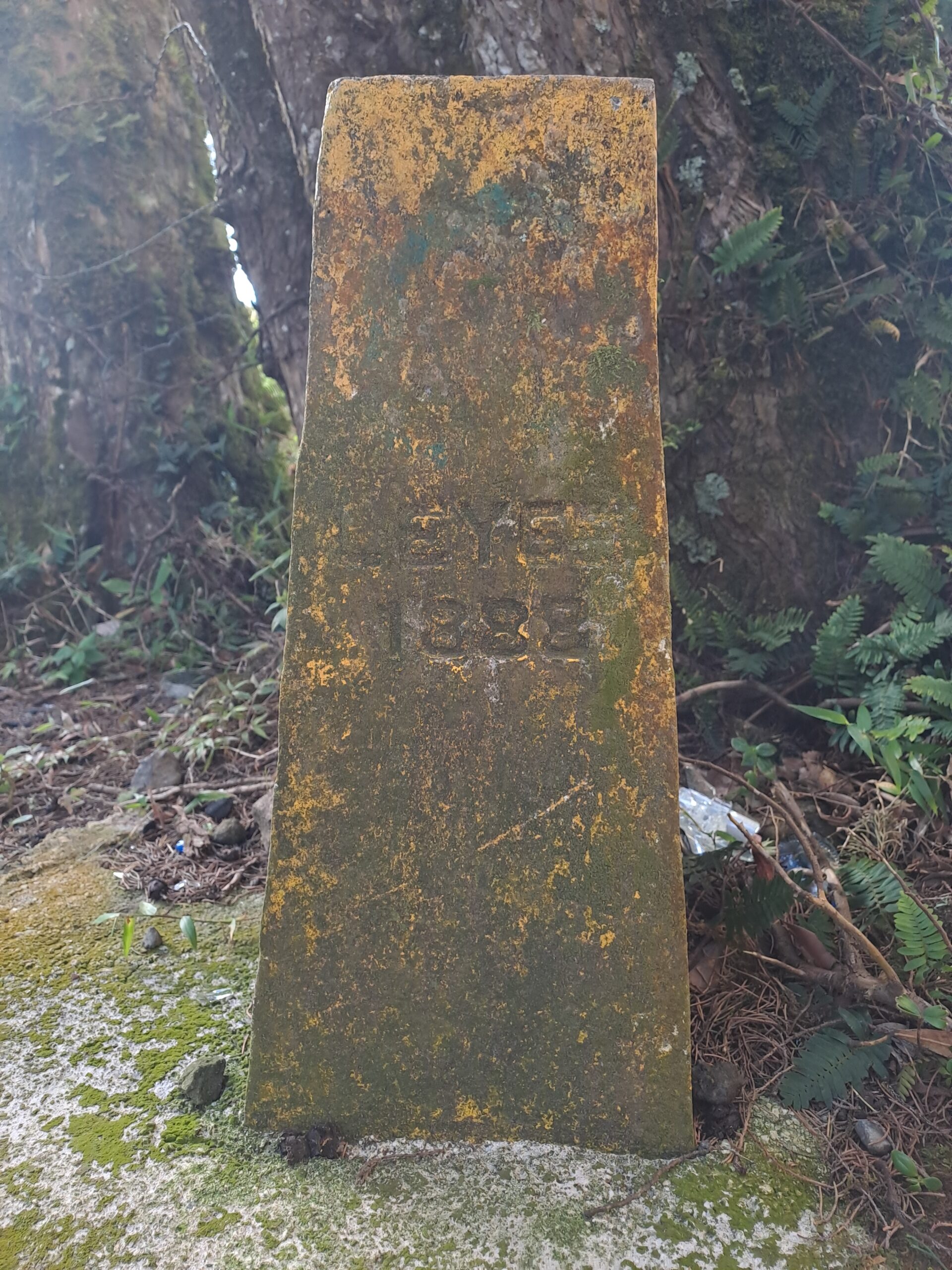
SINAC also made a request to transfer to MINAE a property of approximately 155 hectares that’s registered to the municipality of San Rafael de Heredia in the National Registry. It’s located within the inalienable zone and the Braulio Carrillo National Park.
However, in that July 2025 session, Mayor Arias said that this transfer is not necessary: “The protection of MINAE is established in Article 13 of the Forestry Law, which says that they administer municipal lands. At no time does it say that they have to be transferred, and the only processes where lands have to be transferred through the Attorney General’s Office are when they are in the hands of private individuals.”
Article 13 of the Forestry Law states, “The natural heritage of the State shall consist of the forests and forest lands of the national reserves, of the areas declared inalienable, of the properties registered in its name, and of those belonging to municipalities, autonomous institutions and other bodies of the Public Administration—except for real estate that guarantees credit operations with the National Banking System and becomes part of its patrimony.”
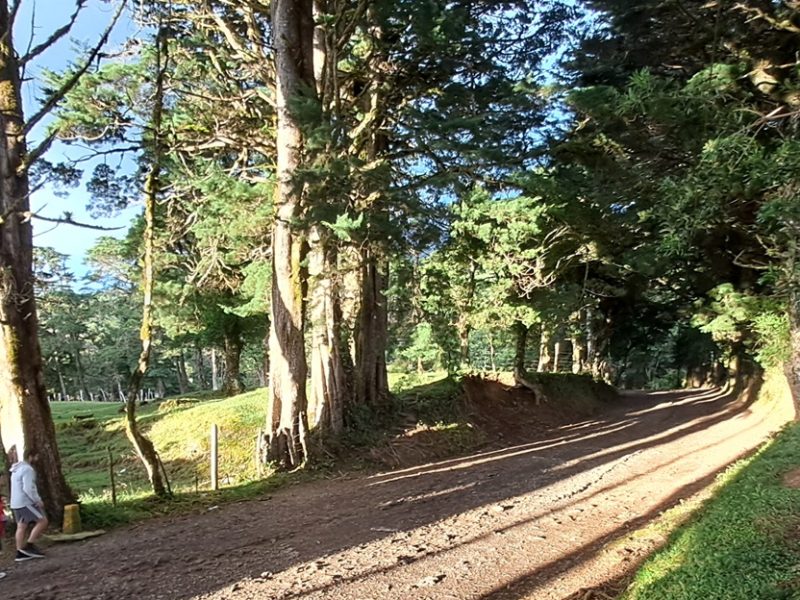
The property on Chompipe Hill is located approximately one kilometer uphill from the entrance to the Monte de La Cruz tourist site. Therefore, the most common and environmentally friendly way to reach it is on foot. Approximately 200 or 300 meters along the path, you’ll find two boundary markers that demarcate the inalienable zone established by Law 65 of 1888. This demarcation took place in June 2013 when Conceverde, through a recurso de amparo or constitutional appeal, successfully compelled the Ministry to comply with the 2008 order from the Constitutional Chamber (Sala IV) to physically demarcate the zone and begin the land recovery process.
The importance of the area
In short: they guarantee the protection of the aquifer recharge areas that supply Heredia and Alajuela.
The area’s water resources are of vital importance, and this was the reason why Henri Pittier, a Swiss scientist who toured the region, proposed legislation in the 19th century. Law 65 of 1888 protects and conserves the mountains where the streams and springs originate. According to Conceverde, this area recharges the Barva, Upper Colima, and Lower Colima aquifers, which supply water to more than 70% of the inhabitants of the Central Valley.
The area is of great ecological importance, as it is home to a wide variety of species and ecosystems that provide soil fertility and genetic biodiversity. Councilman Juan Valerio Delgado, a sociocultural researcher, recounts that between 1997 and 1999, the National University conducted research on the trails.
“They talk about the sensitivity of the area,” the councilman said. “It’s so sensitive, so vulnerable, ecologically speaking, that creating a path or road could cause irreparable or irreversible damage.”
He also added that a biologist recently told the city council that Holdridge toads had been seen again. The area where they were observed is so small it doesn’t even reach four square meters.
A team called Tlaloc, from the Costa Rica Wildlife Foundation, arrived in the area in 2023 to help with the conservation of the Holdridge toad, a species that was believed to be extinct until the herpetologist Juan Abarca Alvarado from the National University rediscovered it. An action plan for its conservation began to be developed.
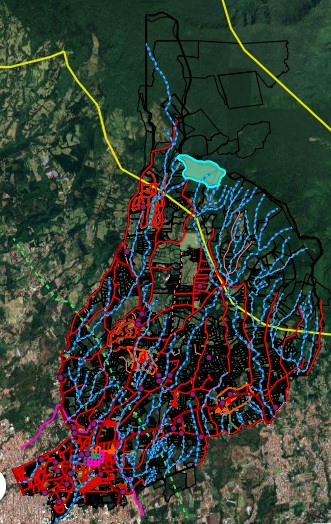
Both Conceverde and the Municipality of San Rafael support initiatives promoting environmental conservation, but they have different approaches to providing support and protection. For Conceverde, conservation is absolute. Nature is untouchable, the mountain is untouchable. Protecting water resources is the primary objective. They defend these resources, but they also denounce and halt any activity that poses a threat. They say that they consider the transfer of the municipal property to MINAE mandatory, and all their convictions are based strictly on Law 65 from 1888, which specifies that the inalienable zone is “a strip of land two kilometers wide, on either side of the summit of the mountains known as Barva Volcano Mountain, from the hill called Zurquí to the one known as Concordia (Guararí), whether said zone is national or municipal property.”
On the other hand, the mayor’s office addresses the issue from the perspective of the complexity of the already significant tourist activity and the negative human impact on the area. On neighboring private properties, which are also within the protected zone, the entry of 4×4 vehicles is uncontrolled, and these vehicles are damaging the soil with their off-road driving. Alcohol and illicit drug use are also prevalent, leading to security problems.
“MINAE doesn’t have any park rangers on site,” says the mayor. “There have been assaults, rapes, and people charging visitors to take them to attractions within the park.”
He also recalls the nationwide concern and attention generated by incidents of visitors who have gone missing in the park. With the project the mayor is proposing, the municipality could collaborate with the administration and thus help mitigate some of these problems.
About MINAE’s request for the transfer, the mayor says that “we are responding to MINAE’s request because it is incorrect, because the municipality cannot simply relinquish control since it is already under state jurisdiction.”
The project the mayor’s office is working on is a proposal for a natural monument in the area. This would grant the municipality administration rights, according to the forestry law.
“What we are doing is developing a project to justify whether or not we can be the administrator of the area,” he says.
The decision to declare a natural monument within the inalienable area must be made by MINAE.
What is a natural monument?
The MINAE website defines natural monuments as geographic areas containing one or more natural elements of national or cantonal importance. These consist of natural places or objects that, due to their unique or exceptional character, scenic beauty, or scientific value, are designated for special protection. Examples include hills with significant water resources, scenic beauty, cultural value, and tourism potential.
Mayor Jorge Arias Santamaría says he was inspired by the work done by the Municipality of Tarrazú, which joined forces with the Defenders of Cerro Abejonal and other environmental groups, and not only achieved the declaration of a natural monument but also stopped the interest of private companies in establishing waste gasification plants in the area surrounding Tarrazú, León Cortés and Dota.
In December 2023, the administration of President Rodrigo Chaves announced the creation of the Los Santos Zone Natural Monument, with the objective of protecting and developing the hills of La Trinidad (La Cruz), San Pedro, La Roca and Abejonal. These are high-potential areas for the inhabitants of the three cantons that make up the Los Santos Zone.
The administration of a natural monument falls to the municipalities that comprise the area, in conjunction with SINAC (National System of Conservation Areas). By being granted this right, the municipality can control access and permit environmental education and research projects. “The goal is to create a sanctuary for frogs and toads, known as anurans, because there is a risk to their survival,” says the mayor. This includes ecotourism, such as birdwatching and related projects. Among the regulations that could be established is a ban on vehicle access.
The mayor explains that the aim is a project that can address the current situation in the area: “Today, the space is a de facto tourist zone, but not a de jure one.”
Meanwhile, Conceverde continues to await a response to its requests for information and action regarding the transfer of the property to MINAE. The responses they received last November state that the matter “is under study and analysis by this municipal government in conjunction with the municipal legal department.”
Author